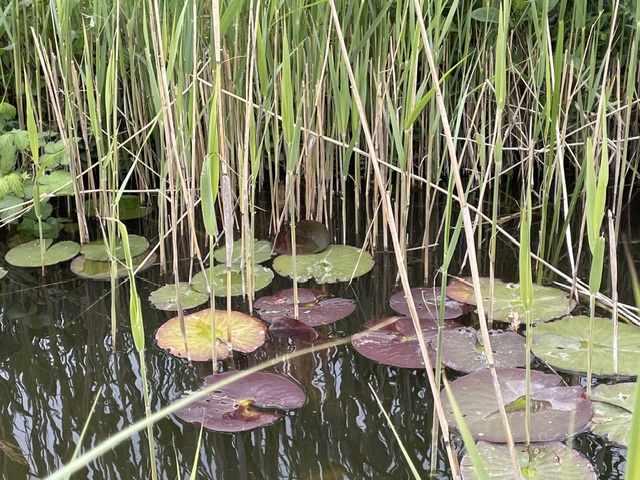
There’s some quiet magic at work when you enter the world of Wicken Fen. Coming from the England of stone walls, fast streams, lush valleys and high moors I’ve nursed a lifelong need to sample the exact opposite. Finally I got the chance to do just that, in this corner of Cambridgeshire, where horizontal and vertical combine to define new perspectives and land and waterways interact on different levels under a carapace of yawning skies.
Wicken is a complex interrelated wetland that is England’s most species rich nature reserve, as well as being its most studied. This National Trust site welcomes some 70,000 visitors annually; not that it felt at all crowded on a midweek day in May. Quite the opposite!
Over 2,000 years Romans, Normans, Medieval monks, Stuart Merchant Adventurers, Victorian improvers, modern governments and agribusinesses have played their part in draining, containing and cultivating the great rural swathe of eastern England known as the Fens. The bulk of England’s grain, vegetable and fruit harvests are produced in the region as a result. The changes to the landscape have been profound and widespread. Less than 1% of that original wetland ecosystem remains, and nearly all of it is at Wickham.
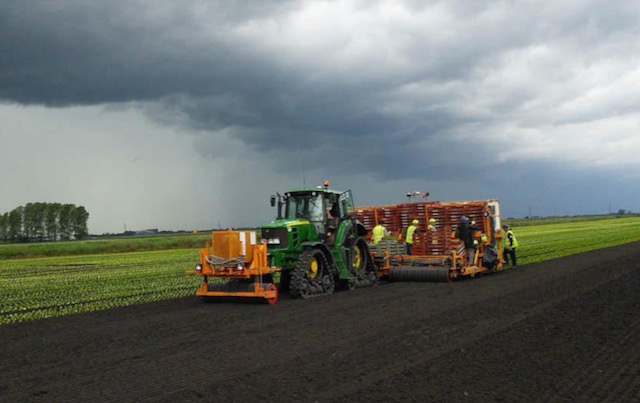
So how come it’s still here? Partly because in 1637 an armed uprising by locals fearful of losing their livelihoods fishing, water fowling and sedge harvesting prevented the Anglo-Dutch drainage projects of the area’s aristocratic landowners from going ahead here, like they had elsewhere. By the end of the 19th century, naturalists, academics and enlightened landowners who prized this traditionally managed oasis for for its rare bird, moth and butterfly populations took action to preserve and extend it. In 1899 the newly formed National Trust bought two acres of Wicken Fen – the charity’s first ever nature reserve. Now acknowledged as’ the birth place of ecology’ it has grown to be a 629 nature acre (254 hectare) reserve of international importance featuring wet grassland, scrub woodland, reedbeds and sedge fen. More than 9,300 species have been recorded.
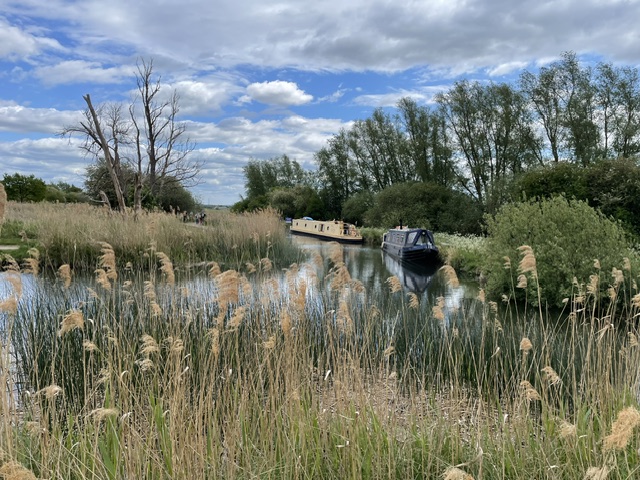
The reserve is connected by a network of boardwalks, paths, bridges and droves (grass roads) alongside ditches, dykes, meres, banks and lodes (canalised waterways). These waterways form part of the River Cam navigation and drainage catchment.
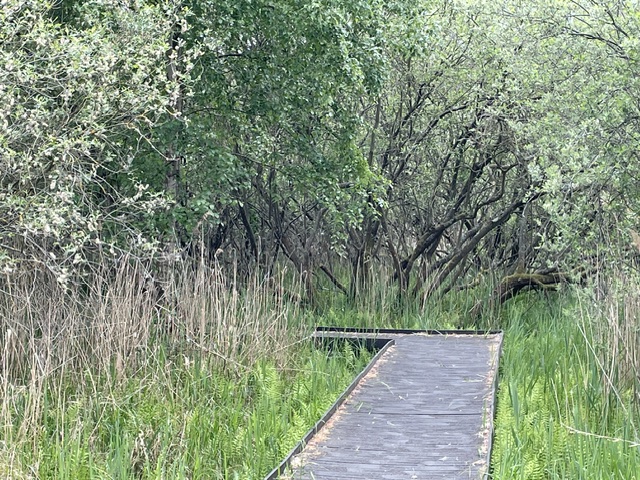
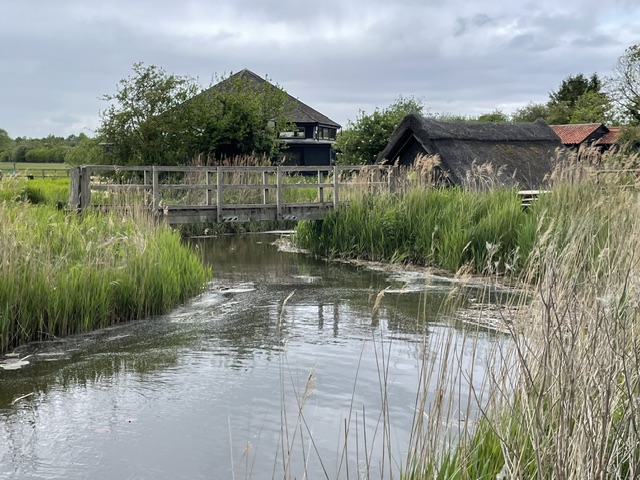
There’s only so much you can take in on one day at such a place. We set off from the Visitor Centre, with its chalk boards listing an array of daily bird sightings, to circumnavigate adjacent Sedge Fen. It proved a gentle introduction and easy perambulation, mainly on boardwalks fashioned from black recycled plastic.
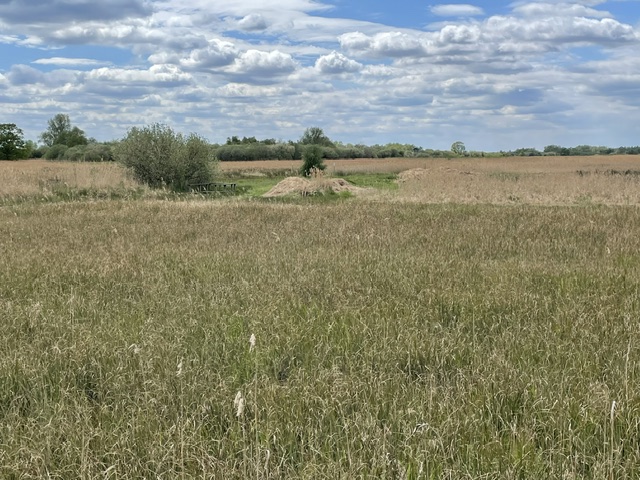
Passed the remains of old clay pits, now deep ponds with coots scuttling, used when this area was a brickworks. Passed through islands of willow and alder buckthorn carr (wet scrub) alive with reed warbler and other bird song. The neighbouring seasonally wet grasslands (above) were cordoned off, for conservation reasons they’re not open for visitors until the summer. Saw Chinese Water Deer, an invasive species, nibbling the turf.
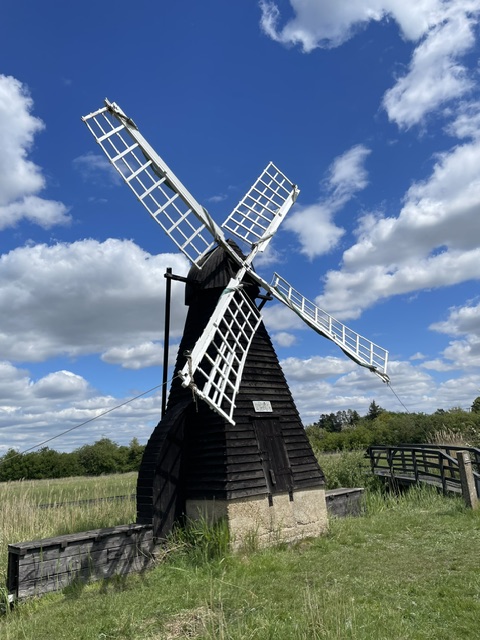
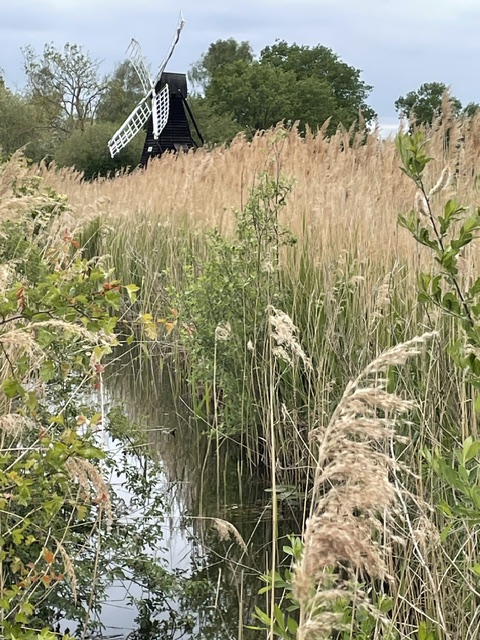
Vertical features have increased pull on the eye in such a landscape. The black wooden wind pump with its white sails is one such iconic marker. A relic of another former Fenland industry, peat digging.
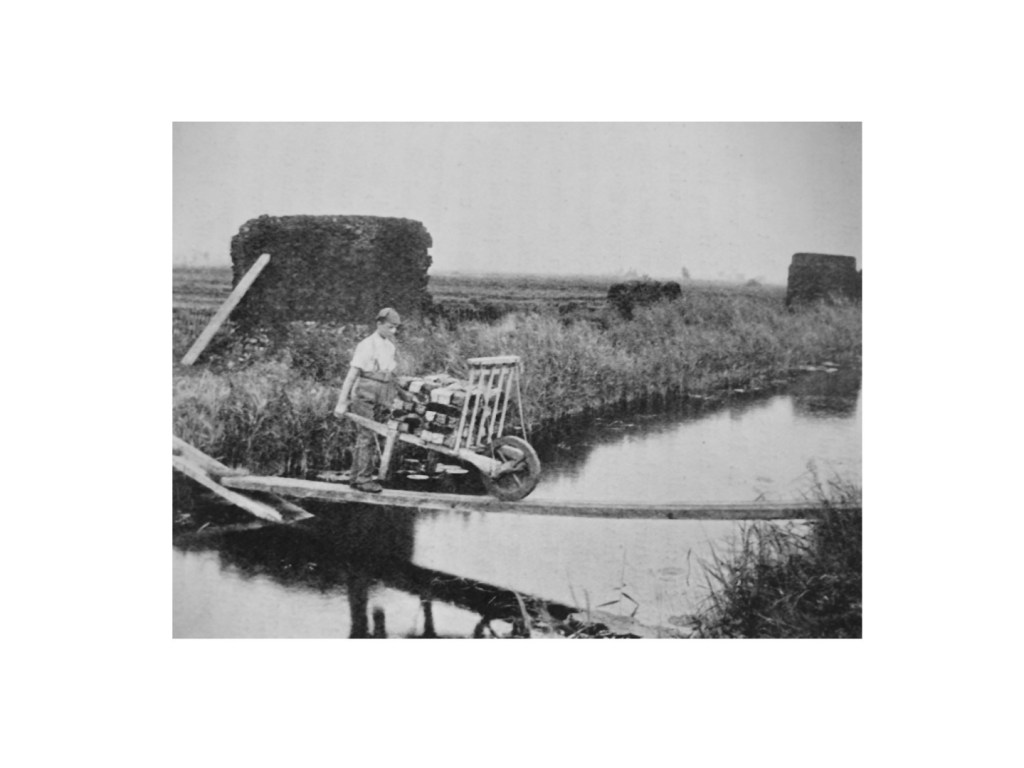
Before steam and diesel, wind power did the draining of the turf pits (peat diggings) so these small mills were once a common sight.
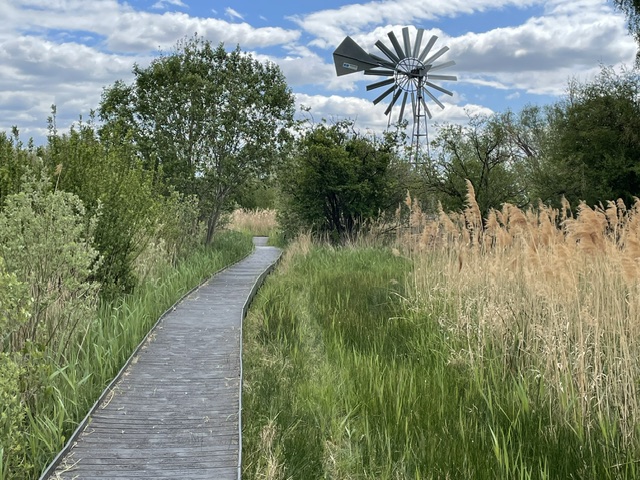
The modern structure seen here is a new wind pump, funded by the Environment Agency in 2011 to draw alkaline ground water to Sedge Fen from nearby Monk’s Lode in the winter months, helping keep the peat soil from drying out, a very real threat as the climate changes.
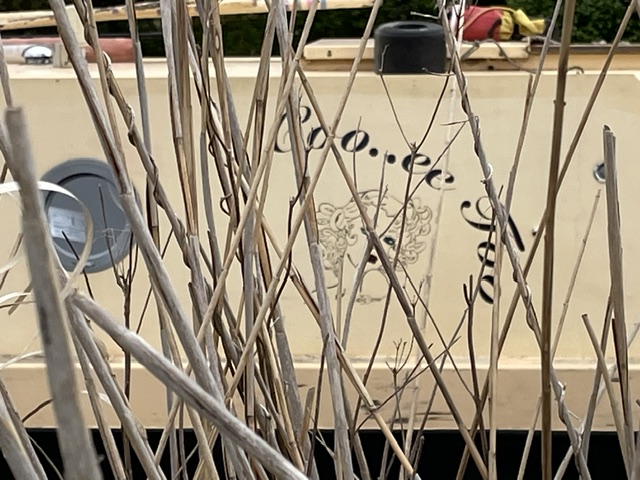
At this point, where Monk’s Lode meets Wicken Lode, is where we came across narrow boats moored. The name of one of them ‘Coo…ee Too’ a pun on a somewhat larger ocean going vessel!
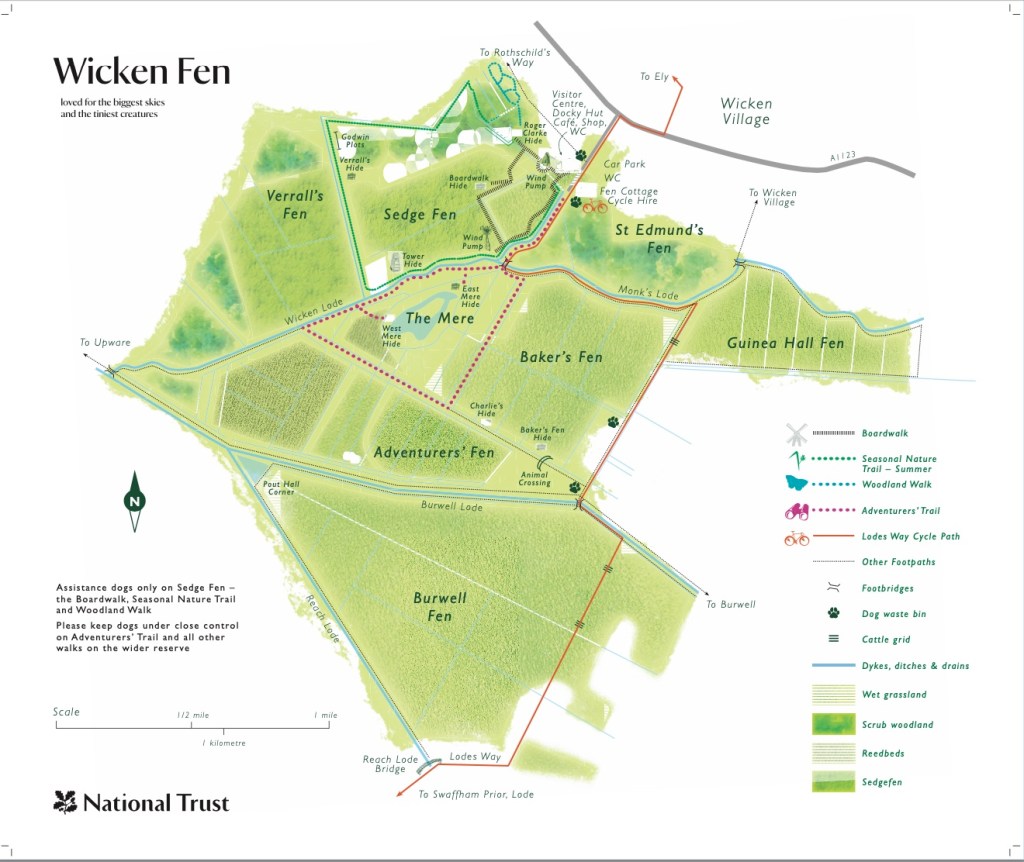
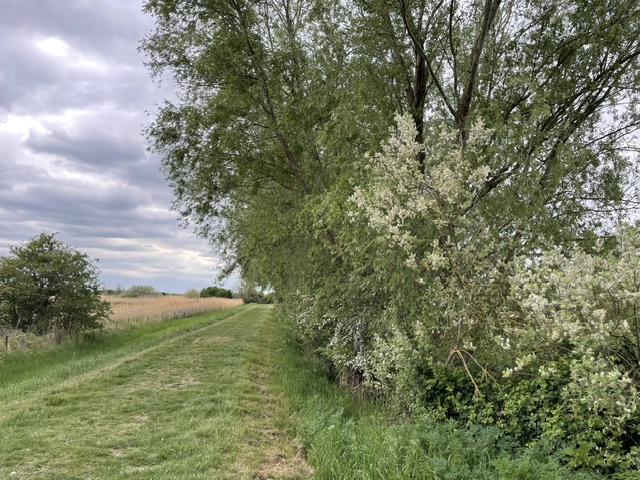
After a picnic lunch we followed paths that led in turn to the straight lines of droves dividing East and West Meres from Baker’s and Adventure’s Fens. And what a contrast. Here we looked down on to swathes of land drained for farming centuries back. An unforeseen consequence was the drying out and sinking of the land, leaving vast acreages below remaining water level. Reflooded by the Trust post WW2 the new bogland and pools in the peat created as a result now attract masses of wildfowl, especially in winter.
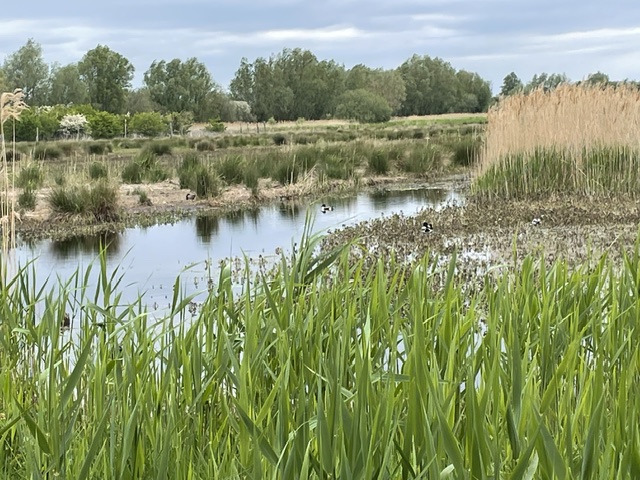
We lingered at one of the hides, hearing more birds than we saw. Later, some brave folk passed us on tandem bikes, hired at the visitor centre, bumping furiously along the deceptively uneven drove surface, laughing in mixed measures of anxiety and delight.
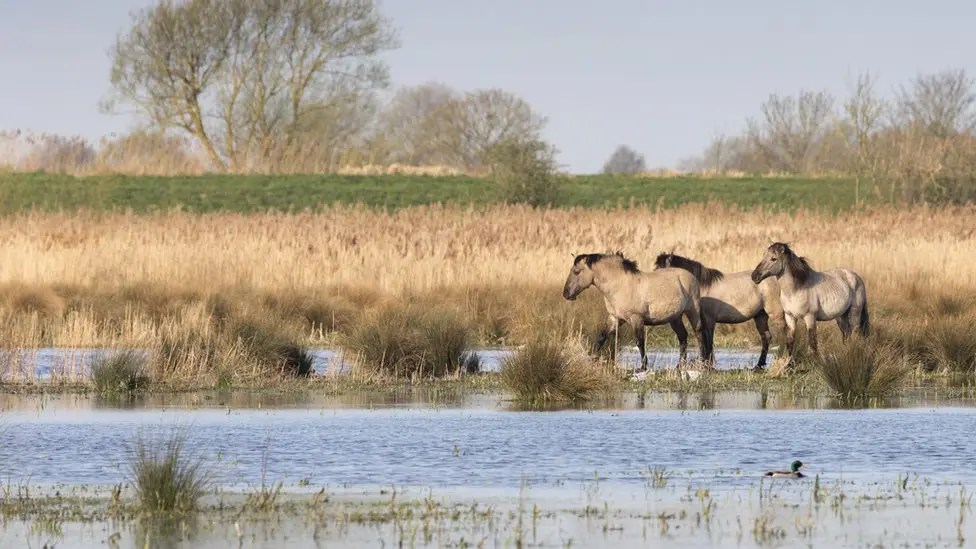
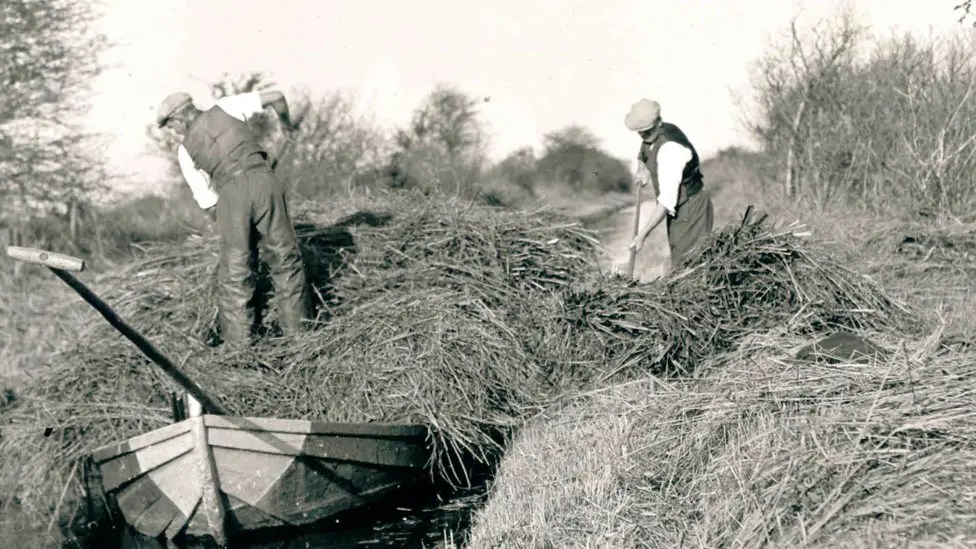
We glimpsed a distant group of Konik ponies at pasture. Together with a herd of handsome highland cattle, these introduced conservation grazers free range the reserve. The animals contrasting complimentary grazing styles play a key role in managing wet grasslands, doing the job people once did, keeping the ever encroaching scrub at bay. They also distribute wild flower seed in their droppings! Sedge today is cut by machine where once the fenmen cut, stacked, stored and transported the material for a wide range of uses in the textile and building trades.
Opposite the visitor centre, off the narrow approach lane, is the pretty C18th Fenman’s Cottage, restored in 1990 and furnished as it might have been in the 1930’s. A must see that gives a fascinating insight into an age old relationship between people, buildings and place.
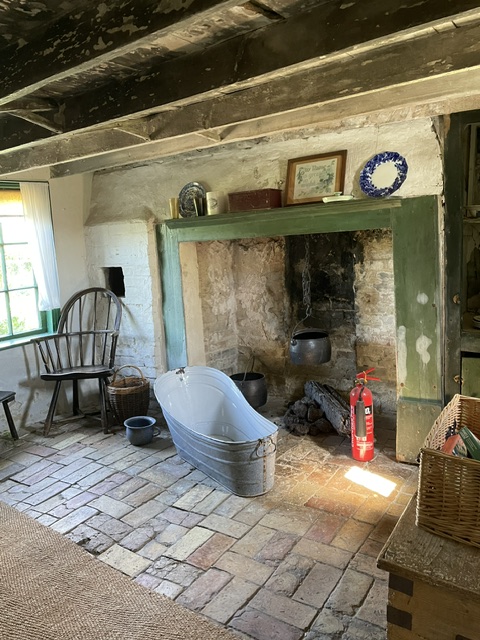
The cottage is vernacular architecture defined by the use of locally sourced material; from dried peat bricks to floor tiles and daub plaster of gault clay, thatching with reeds and sedge.
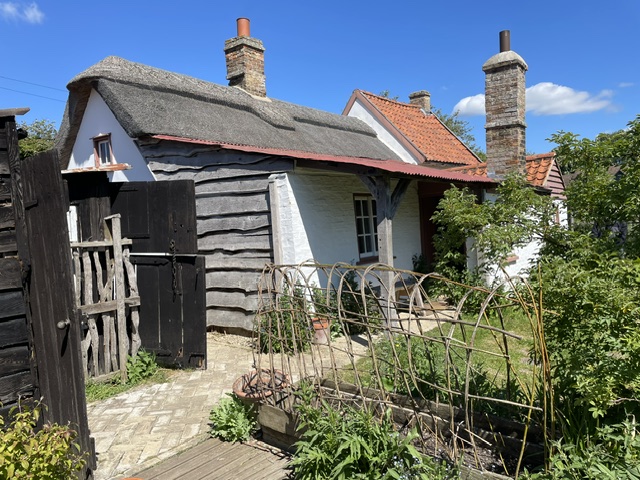
Here, for many centuries, local families made a fiercely independent living from a raft of interrelated successional labours. Sedge, reed or willow harvesting, fishing, eel or mole catching, wildfowling, digging peat and clay, cutting litter (marsh hay) or transporting a wide range of goods in and out by water….all dictated by the seasons.
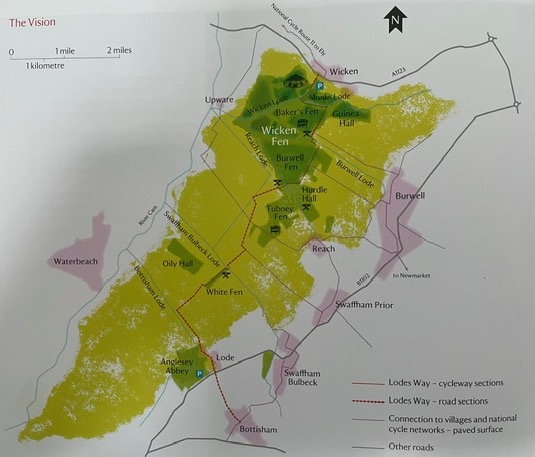
Under ambitious plans set out in the ‘Wicken Fen Vision’ the reserve is set to expand downstream, right to the outskirts of Cambridge. It’s the NT’s commitment to tackling climate change by re-establishing a lost landscape at scale, including nature friendly farm holdings on its edges acting as a buffer zone for the core fenland.
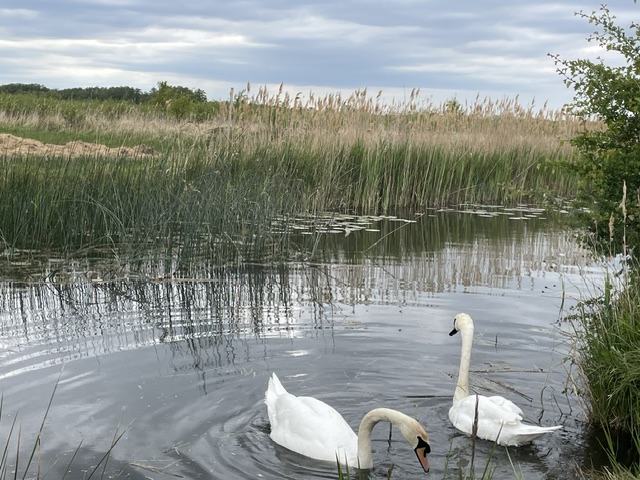
I wish them well in their mission. The Trust is protecting a treasure horde of vulnerable species and preserving precious peatlands, while still enabling access for all to enjoy this magnificent if fragile ecosystem. Balancing the need to increase self-sufficiency and security of food production while including nature as a key to managing a healthy and sustainable countryside remains one of the most pressing challenges of our times.