Lodes, Rodes and Sedge

There’s some quiet magic at work when you enter the world of Wicken Fen. Coming from the England of stone walls, fast streams, lush valleys and high moors I’ve nursed a lifelong need to sample the exact opposite. Finally I got the chance to do just that, in this corner of Cambridgeshire, where  horizontal and vertical combine to define new perspectives and land and waterways interact on different levels under a carapace of yawning skies.
Wicken is a complex interrelated wetland that is England’s most species rich nature reserve, as well as being its most studied. This National Trust site welcomes some 70,000 visitors annually; not that it felt at all crowded on a midweek day in May. Quite the opposite!
Over 2,000 years Romans, Normans, Medieval monks, Stuart Merchant Adventurers, Victorian improvers, modern governments and agribusinesses have played their part in draining, containing and cultivating the great rural swathe of eastern England known as the Fens. The bulk of England’s grain, vegetable and fruit harvests are produced in the region as a result. The changes to the landscape have been profound and widespread. Less than 1% of that original wetland ecosystem remains, and nearly all of it is at Wickham.
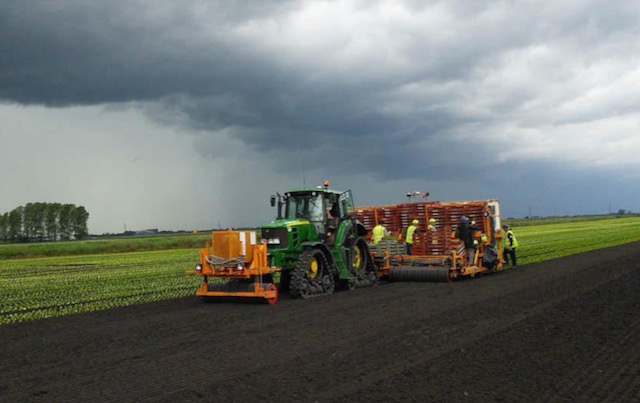
Planting Little Gem Lettuce in a Fenland Field: Credit NFU Online

So how come it’s still here? Partly because in 1637 an armed uprising by locals fearful of losing their livelihoods fishing, water fowling and sedge harvesting prevented the Anglo-Dutch drainage projects of the area’s aristocratic landowners from going ahead here, like they had elsewhere. By the end of the 19th century, naturalists, academics and enlightened landowners who prized this traditionally managed oasis for for its rare bird, moth and butterfly populations took action to preserve and extend it. In 1899 the newly formed National Trust bought two acres of Wicken Fen – the charity’s first ever nature reserve. Now acknowledged as’ the birth place of ecology’ it has grown to be a 629 nature acre (254 hectare) reserve of international importance featuring wet grassland, scrub woodland, reedbeds and sedge fen. More than 9,300 species have been recorded.
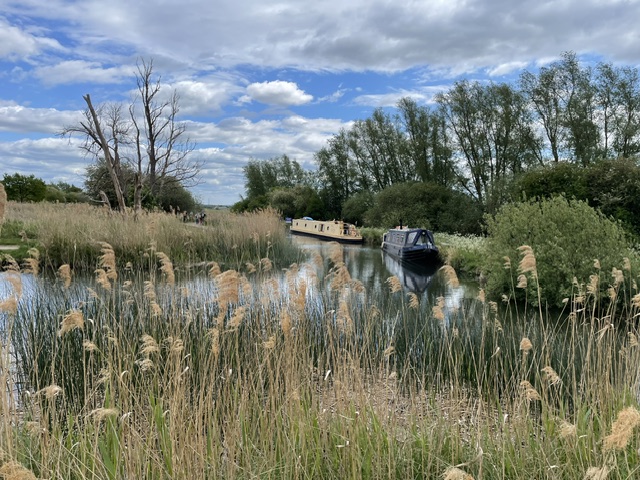
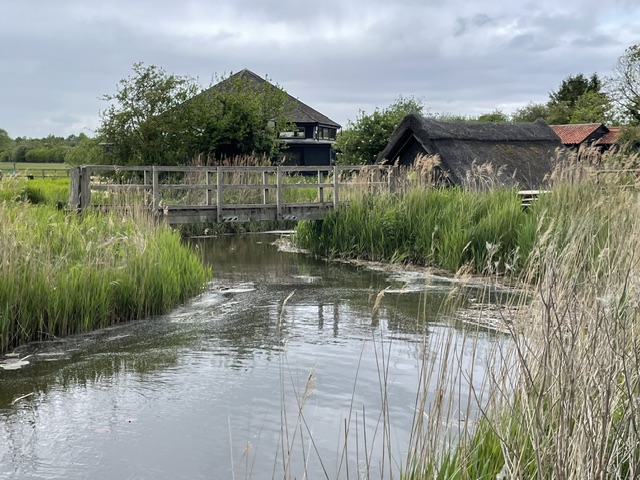
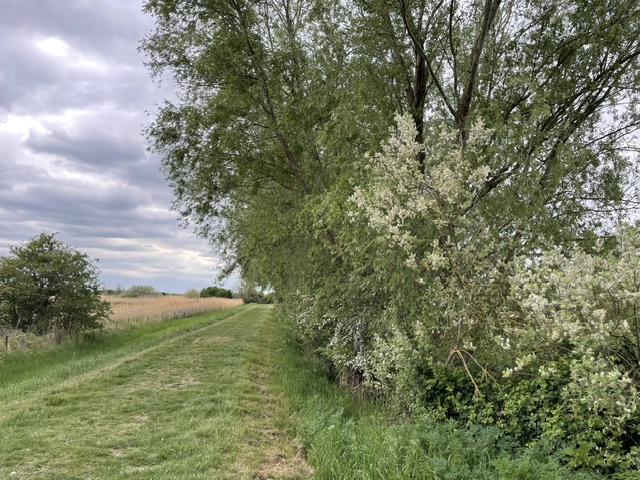
The reserve is connected by a network of boardwalks, paths, bridges and droves (grass roads) alongside ditches, dykes, meres, banks and lodes (canalised waterways). These waterways form part of the River Cam navigation and drainage catchment.
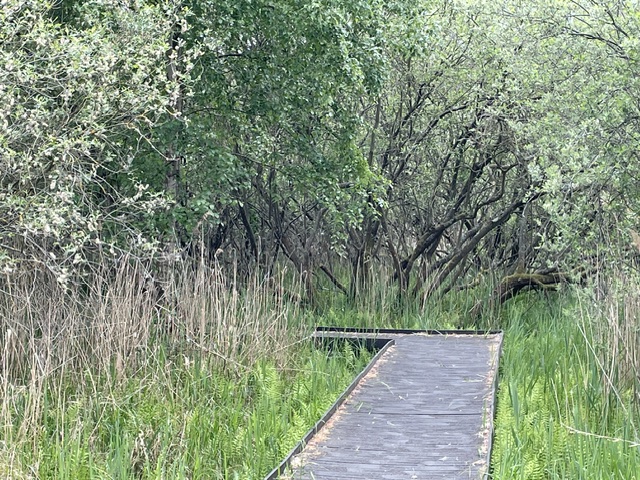
There’s only so much you can take in on one day at such a place. We set off from the Visitor Centre, with its chalk boards listing an array of daily bird sightings, to circumnavigate adjacent Sedge Fen. It proved a gentle introduction and easy perambulation, mainly on boardwalks fashioned from black recycled plastic.
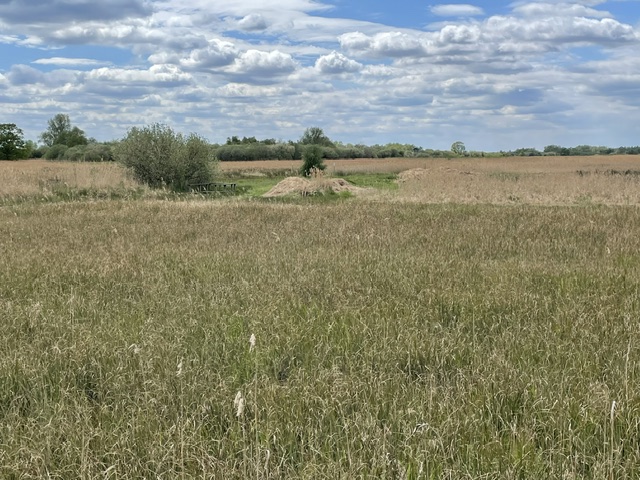
Passed the remains of old clay pits, now deep ponds with coots scuttling, used when this area was a brickworks. Passed through islands of willow and alder buckthorn carr (wet scrub) alive with reed warbler and other bird song. The neighbouring seasonally wet grasslands (above) were cordoned off, for conservation reasons they’re not open for visitors until the summer. Saw Chinese Water Deer, an invasive species, nibbling the turf.
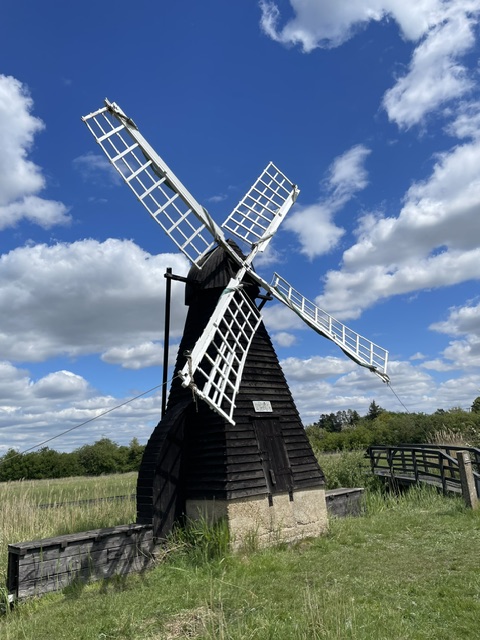
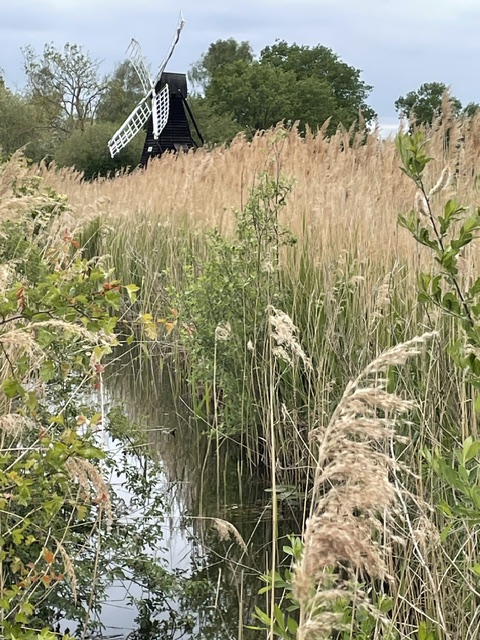
Vertical features have increased pull on the eye in such a landscape. The black wooden wind pump with its white sails is one such iconic marker. A relic of another former Fenland industry, peat digging.
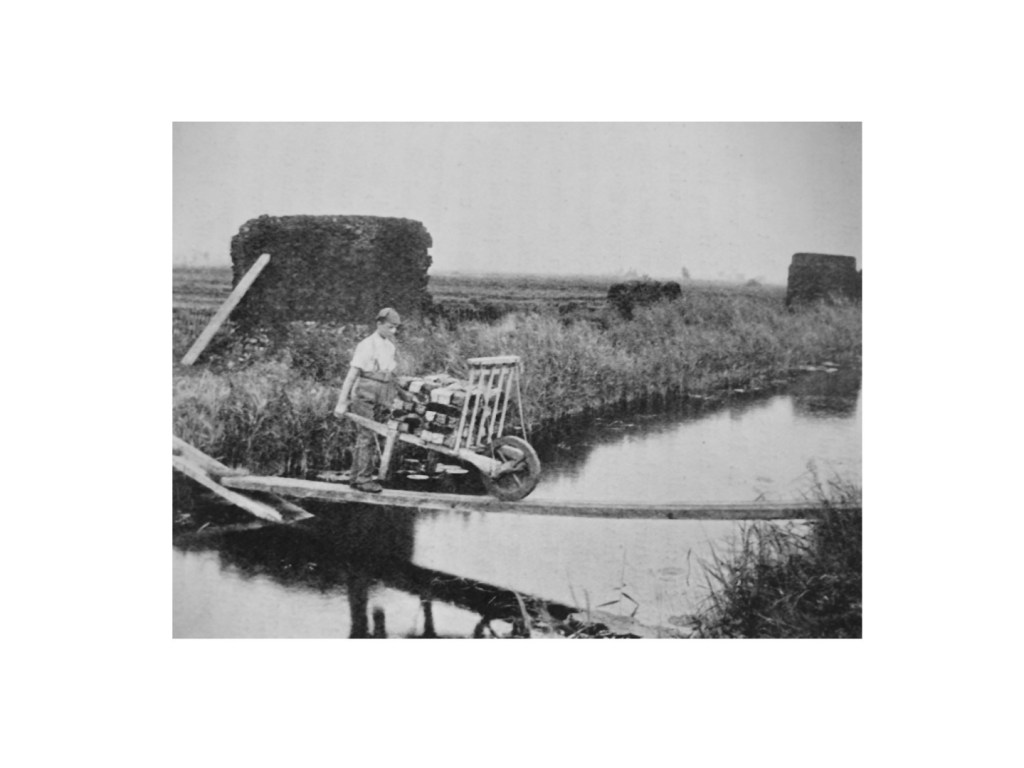
Pushing a barrow of peat turves across a Fenland waterway c.1900

Before steam and diesel, wind power did the draining of the turf pits (peat diggings) so these small mills were once a common sight.
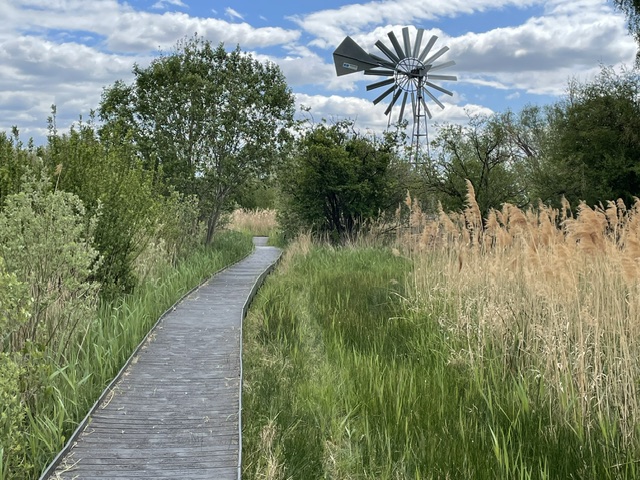
The modern structure seen here is a new wind pump, funded by the Environment Agency in 2011 to draw alkaline ground water to Sedge Fen from nearby Monk’s Lode in the winter months, helping keep the peat soil from drying out, a very real threat as the climate changes.
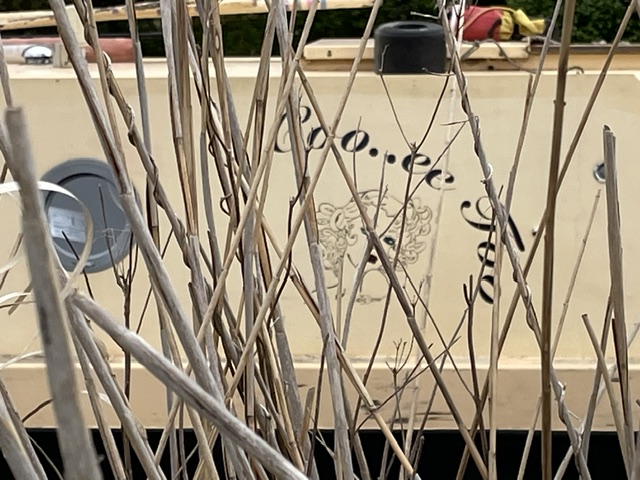
At this point, where Monk’s Lode meets Wicken Lode, is where we came across narrow boats moored. The name of one of them ‘Coo…ee Too’ a pun on a somewhat larger ocean going vessel!
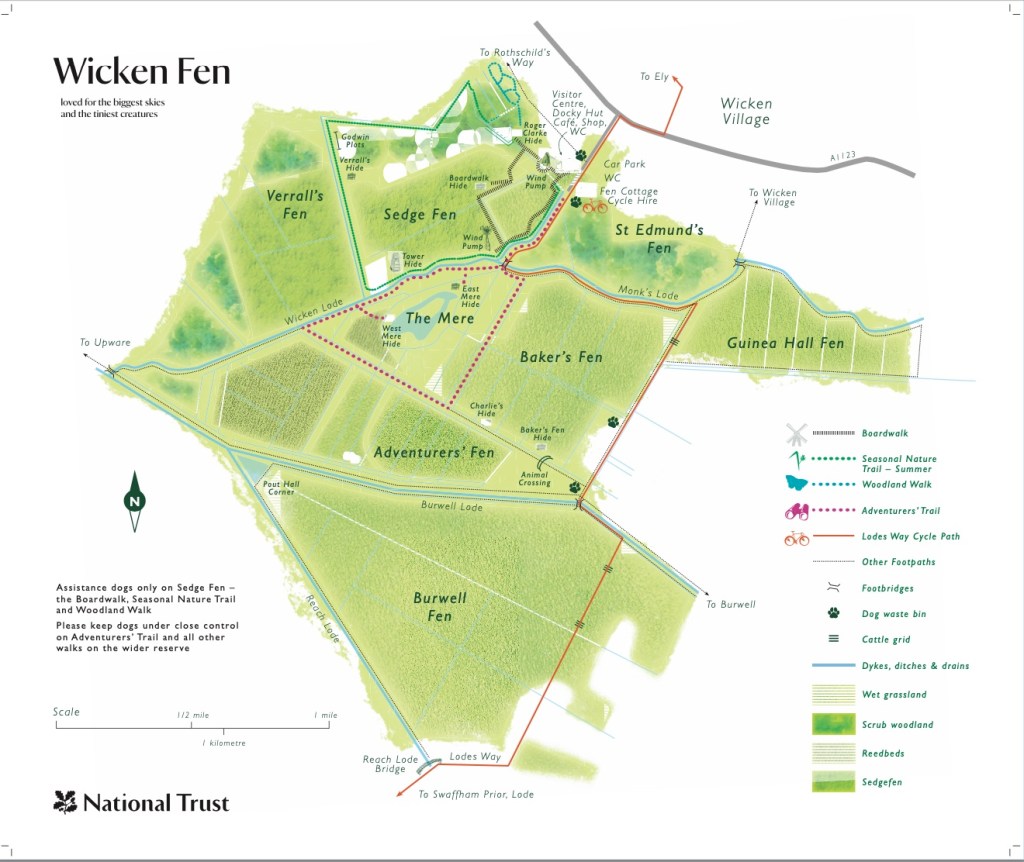
After a picnic lunch we followed paths that led in turn to the straight lines of droves dividing East and West Meres from Baker’s and Adventure’s Fens. And what a contrast. Here we looked down on to swathes of land drained for farming centuries back. An unforeseen consequence was the drying out and sinking of the land, leaving vast acreages below remaining water level. Reflooded by the Trust post WW2 the new bogland and pools in the peat created as a result now attract masses of wildfowl, especially in winter.
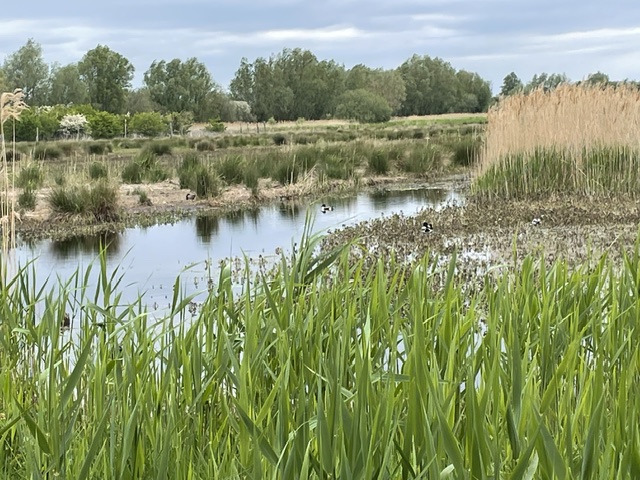
We lingered at one of the hides, hearing more birds than we saw. Later, some brave folk passed us on tandem bikes, hired at the visitor centre, bumping furiously along the deceptively uneven drove surface, laughing in mixed measures of anxiety and delight.
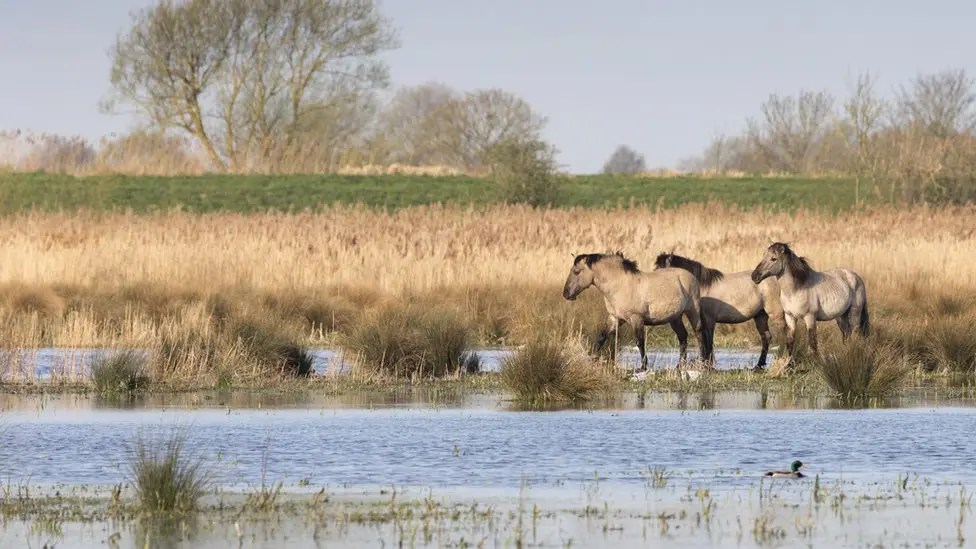
Image of Konik ponies at Wicken Fen: National Trust

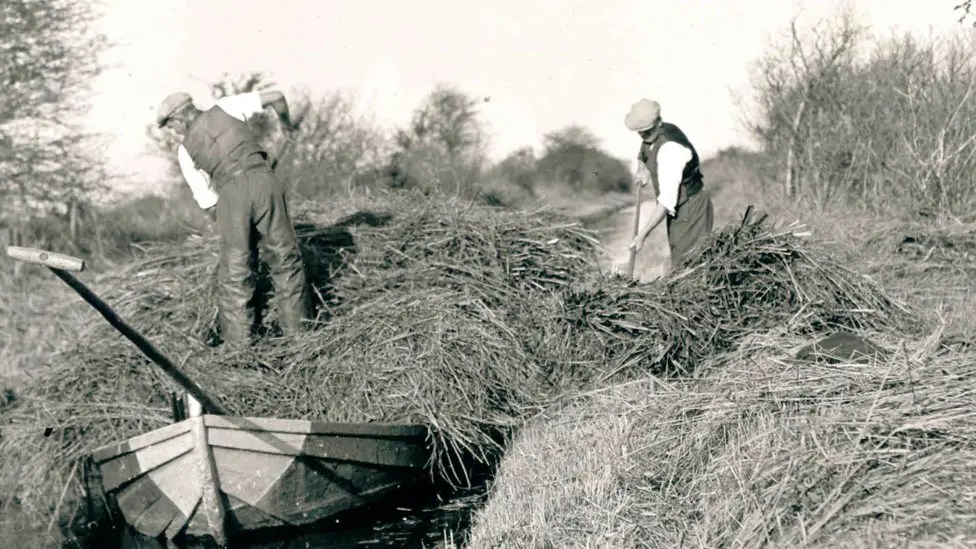
We glimpsed a distant group  of Konik ponies at pasture. Together with a herd of handsome highland cattle, these introduced conservation grazers free range the reserve. The animals contrasting complimentary grazing styles play a key role in managing wet grasslands, doing the job people once did, keeping the ever encroaching scrub at bay. They also distribute wild flower seed in their droppings! Sedge today is cut by machine where once the fenmen cut, stacked, stored and transported the material for a wide range of uses in the textile and building trades.
Opposite the visitor centre, off the narrow approach lane, is the pretty C18th Fenman’s Cottage, restored in 1990 and furnished as it might have been in the 1930’s. A must see that gives a fascinating insight into an age old relationship between people, buildings and place.
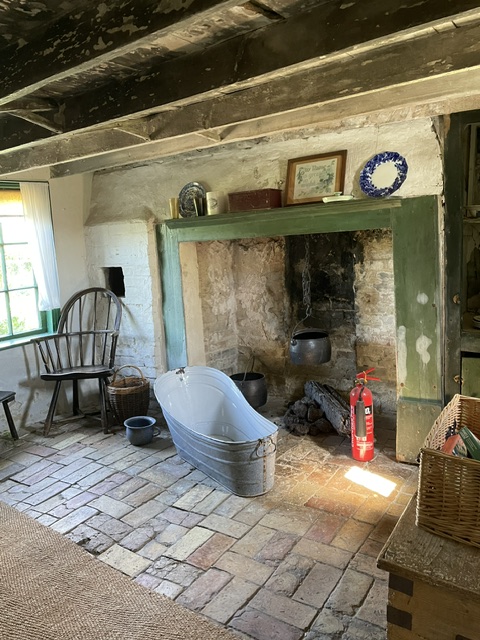
The cottage is vernacular architecture defined by the use of  locally sourced material; from dried peat  bricks to floor tiles and daub plaster of gault clay, thatching with reeds and sedge.  
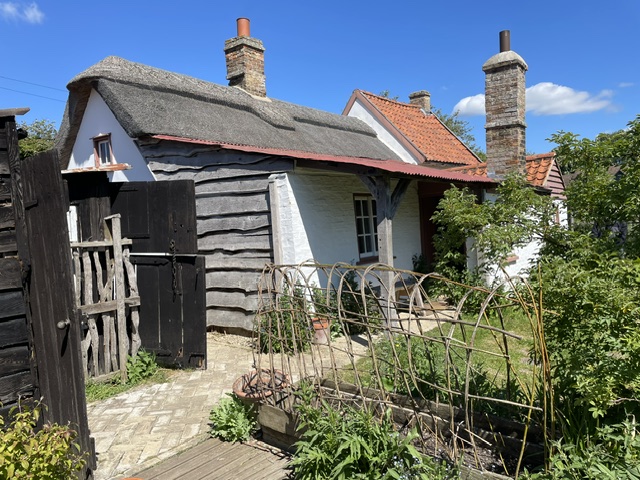
Here, for many centuries, local families made a fiercely independent living from a raft of interrelated successional labours. Sedge, reed or willow harvesting, fishing, eel or mole catching, wildfowling, digging peat and clay, cutting litter (marsh hay) or transporting a wide range of goods in and out by water….all dictated by the seasons.
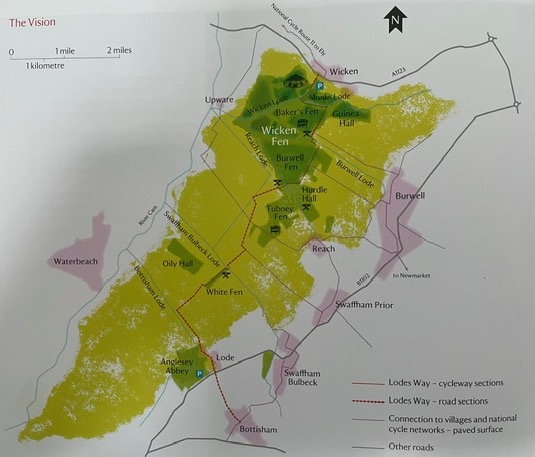
Under ambitious plans set out in the ‘Wicken Fen Vision’ the reserve is set to expand downstream, right to the outskirts of Cambridge. It’s the NT’s commitment to tackling climate change by re-establishing a lost landscape at scale, including nature friendly farm holdings on its edges acting as a buffer zone for the core fenland.
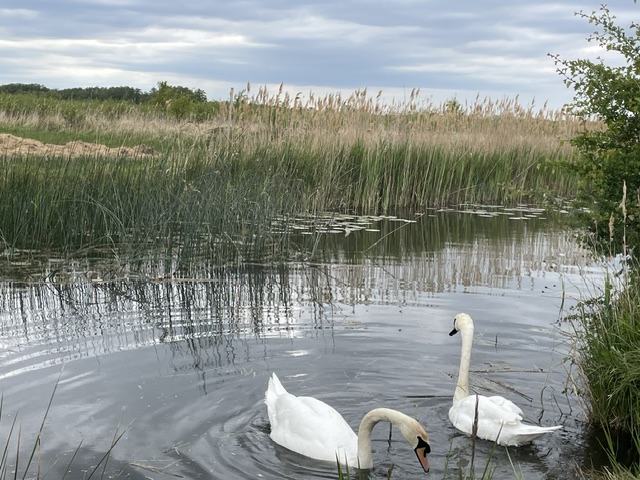
I wish them well in their mission. The Trust is protecting a treasure horde of vulnerable species and preserving precious peatlands, while still enabling  access for all  to enjoy this magnificent if fragile ecosystem. Balancing the need to increase self-sufficiency  and security of food production while including nature as a key to managing a healthy and sustainable countryside remains one of the most pressing challenges of our times.
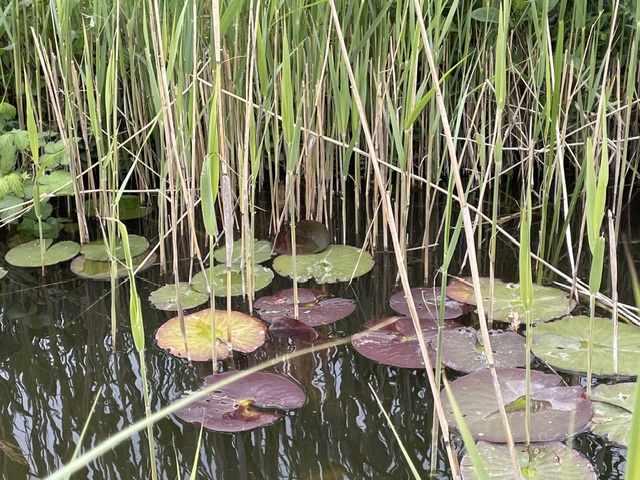
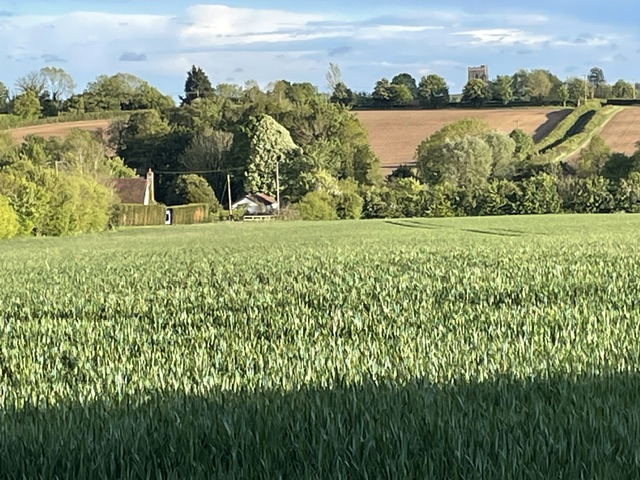
Past Present

Its floors complain with every tread, soft echoes of its long since dead…A stubborn, time-worn, tender place.  (From a poem by Christopher Skaife)

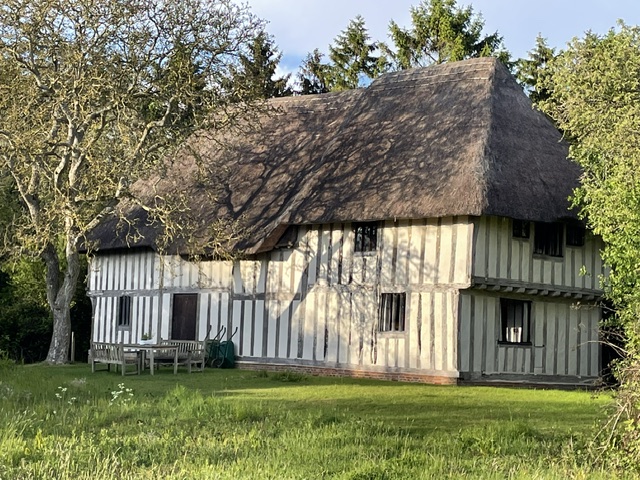
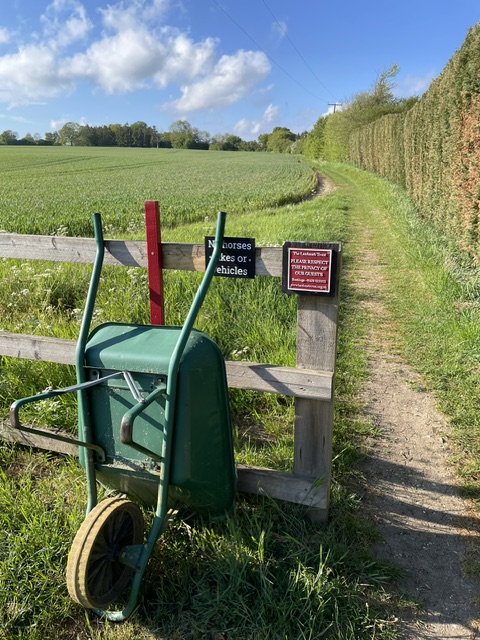
Leaving Norwich we drove southwards into Suffolk. A winding country lane and the turn off we were looking out for. Down a rutted unmade sunken track, concrete ford over dried up stream, parking at lane’s end. All our stuff offloaded into two waiting wheelbarrows. Anticipation rising, we pushed on up the cracked earth path between swooping acres of barley and lush hedge of young elm, field maple and hawthorn. At the woodland ridge, we turned the corner and…there it was.

Looking like a film set, real yet unreal. No driveway, hedge, wall, garden, garage, aerial, telephone pole or other visual anchor of our times. Self-contained, giving off a curious sense of mirage, as if it could vanish at any moment, its plaster glowing in the late afternoon sun. A present from the past, waiting to be unlocked and occupied in the present.

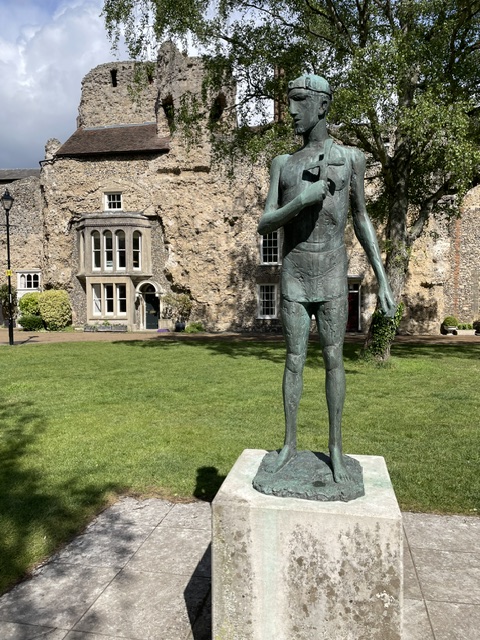
Purton Green is the only surviving building of a lost medieval settlement, on an abandoned highway leading to the great abbey and pilgrimage shrine of England’s first patron saint, St Edmund the Martyr at Bury, a few miles north-east….We later enjoyed an afternoon exploring its extensive civic gardens where the abbey once stood. A modern bronze statue of the ninth century Saxon king of East Anglia, executed for his faith by marauding Danes, stands in the grounds there.

Built as a hall house sometime around 1270, probably by Walter de Priditon,  Steward to the Earl Marshal, a high ranking official of the royal court. It was remodelled in the 15th century and again, when by now a farmhouse, with internal alterations c.1600. Slowly declining in status and condition over time It was saved from total dereliction in 1970 by a nascent conservation charity.

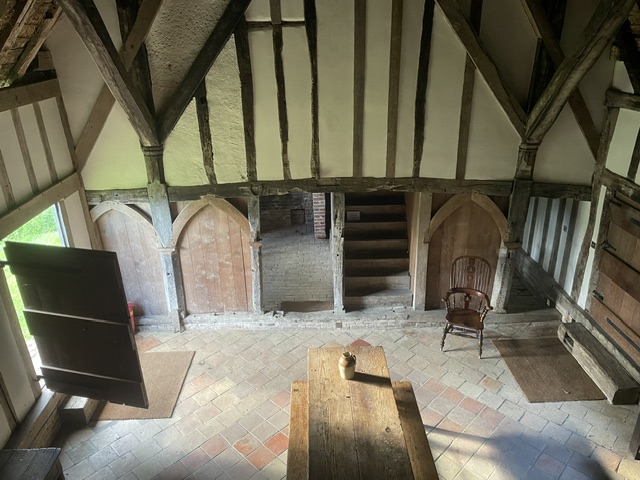
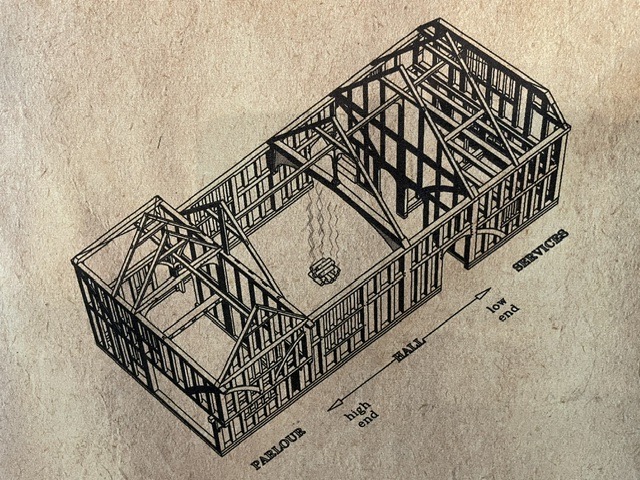
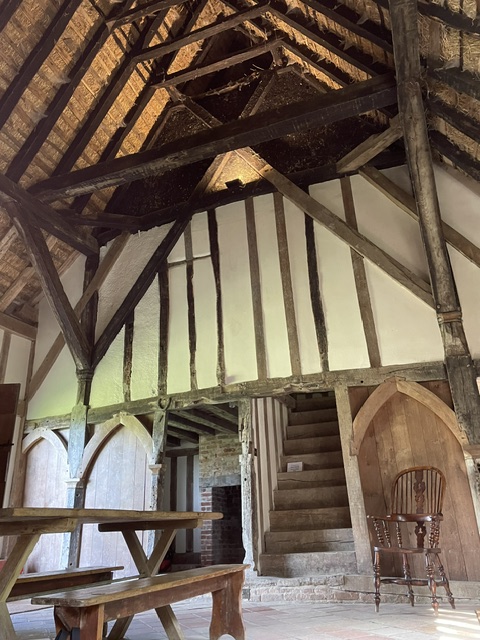
Our medieval homestead was divided when built, as now, into three parts. The service end, where most of the daily work took place. Communal hall with central hearth, where the household met and dined in their social order. The Parlour, inhabited by the owner and his family, is now the cosy cottage like heated section that was our base for the week.

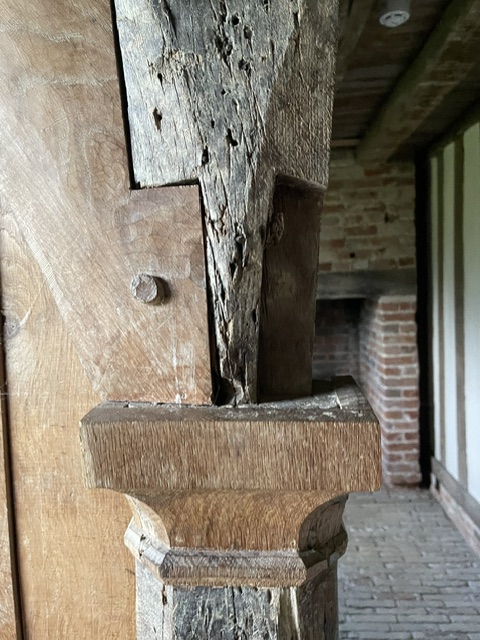
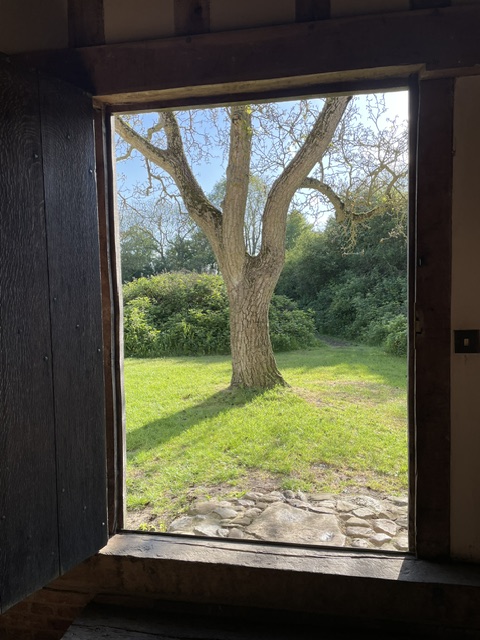
This extraordinary building is distinguished by its arcaded service area and cross frame scissor braces stretching to the open thatched roof. I love the way new replacement woodwork harmonises with the original timber structure.

Because East Anglia lacks natural stone a ready supply of timber from copious woodlands was the obvious building material. Cut ‘green’ and easily worked the individual components would have been assembled then slotted together and raised on site; its many posts, joints and braces secured with wood pegs. Walls made from a weave of hazel wands and daub (clay and straw) completed the construction…The original pre-fabricated building!

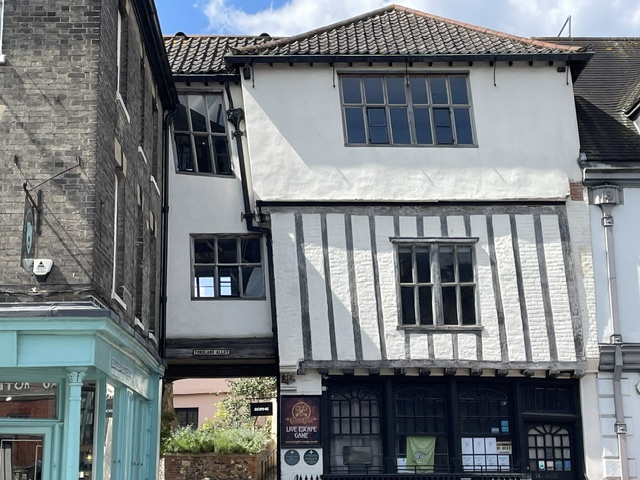
Building ‘green’ leaves properties to warp and shift  with age, a quaint feature we’re all familiar with in old timber frame buildings. This one in Norwich is a good example. Was also taken with the literal ‘door step’ here at Purton Green. A minor human inconvenience to secure a strong frame and keep out dust and mud.

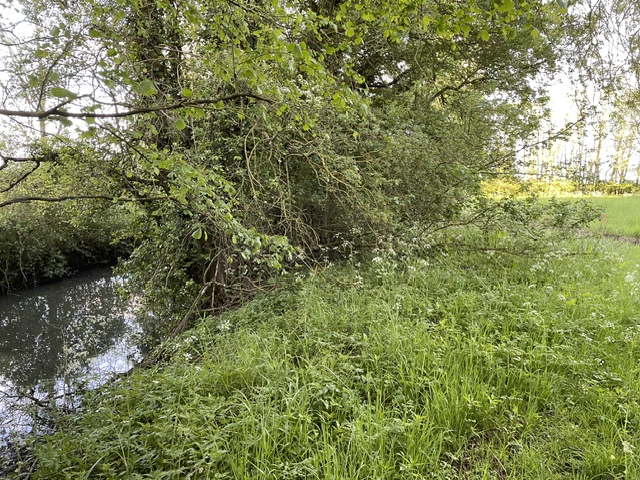
Exploring the immediate environment by public footpath I stumbled across a stretch of former moat under a dense canopy of foliage. (The OS map shows a remarkable number of moated properties in this area). The ground was bone dry and we didn’t see a soul all week. Hares were in evidence though, with birdsong aplenty. At one point a painted lady butterfly landed at my feet.

The only melancholy note of our stay was struck by the sad ash tree out front by the dried out shallow pond. A victim, like so many across the land, of ash dieback.

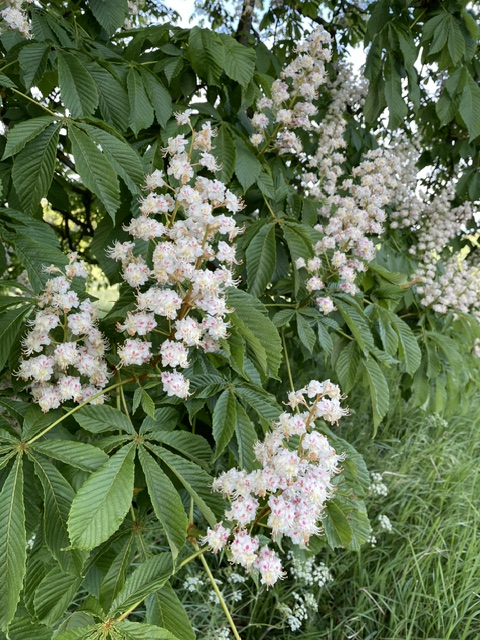
The most common native broadleaf tree in these parts has to be the horse chestnut. We admired several fine specimens in full flower, which reminded me of lines from Philip Larkin’s poem ‘The Trees’: Yet still the unresting castles thresh/ In fullgrown thickness every May./ Last year is dead, they seem to say,/ Begin afresh, afresh, afresh.

You can read about Purton Green and the charity that owns it here:

https://www.landmarktrust.org.uk/properties/purton-green

Back End Notes

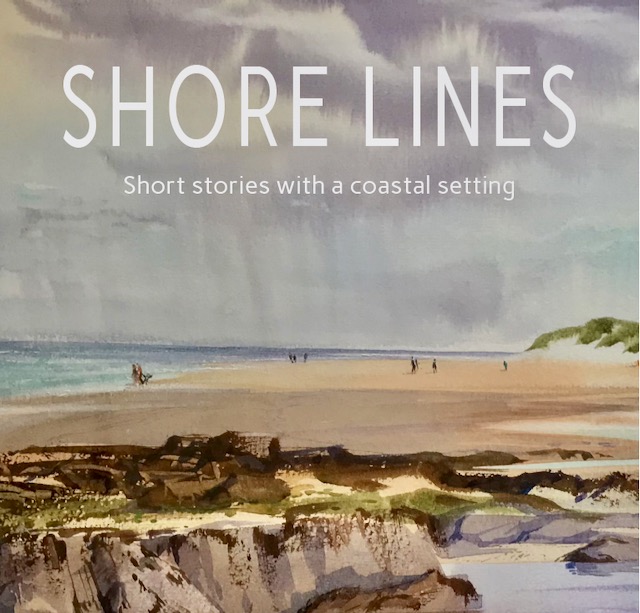
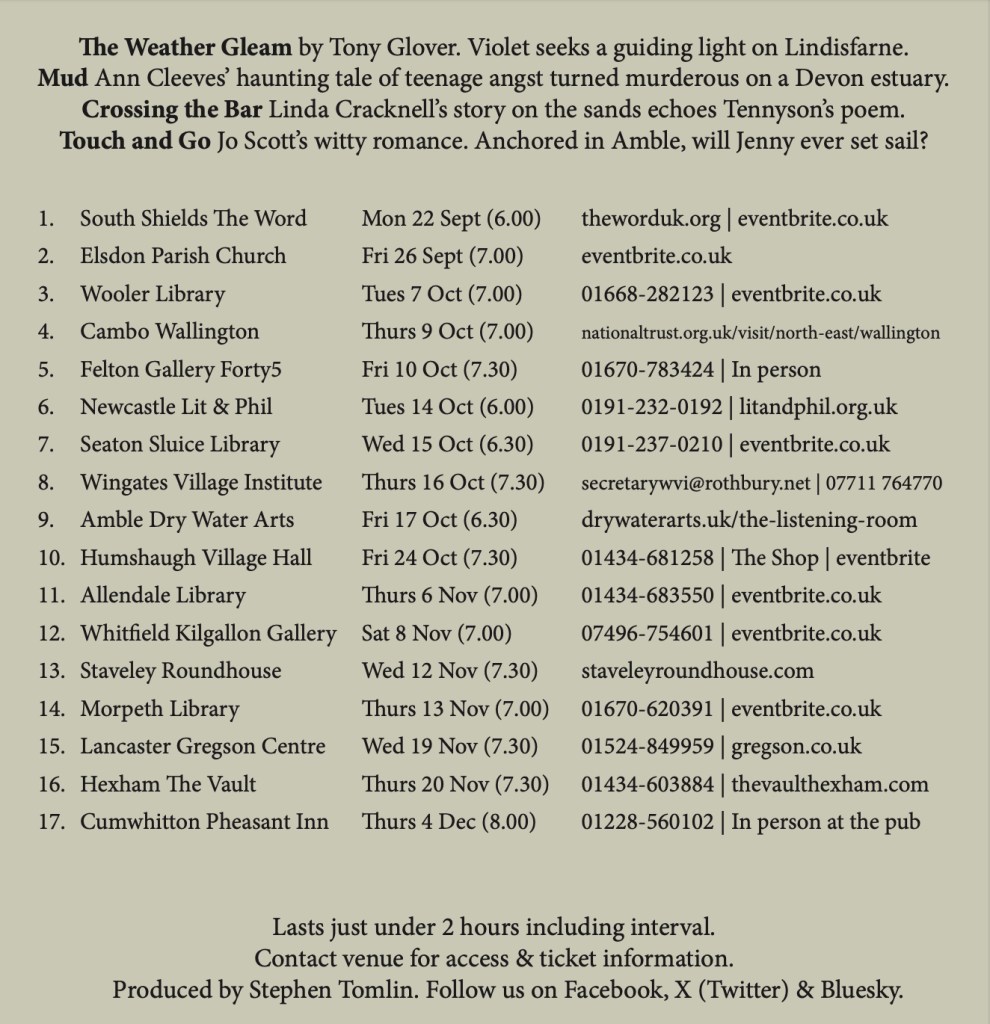
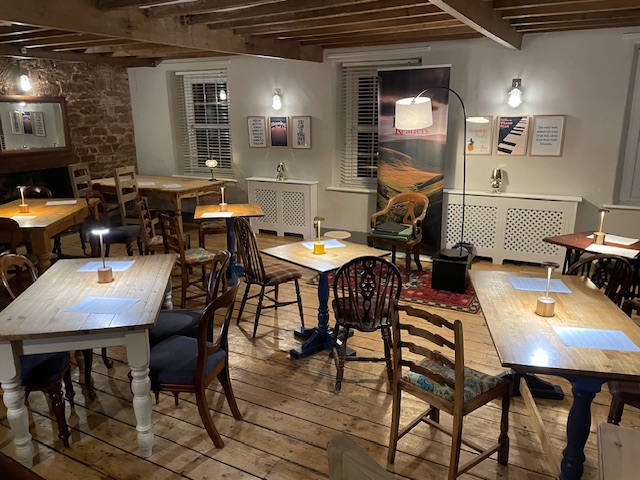
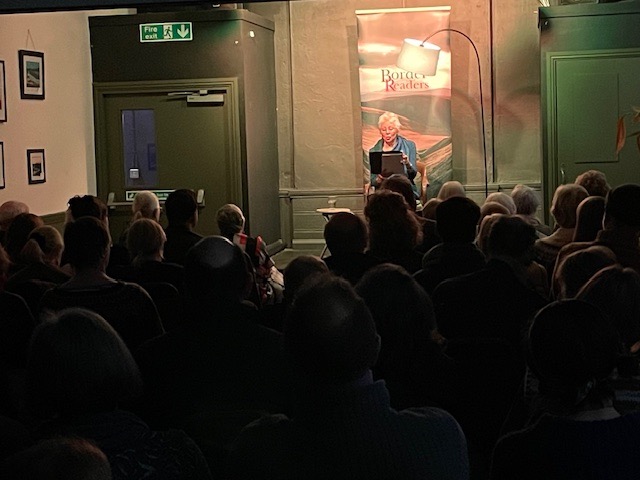
Experienced the usual emotional mixture of pleasure and relief that this year’s ‘Shore Lines’ tour for The Border Readers had ended earlier this month. A pub’s not a bad place to come to the end of the road in and The Pheasant at Cumwhitton in the Eden valley is an exceptionally warm and welcoming hostelry.

The function room upstairs set out with tables and chairs proves the most intimate of surroundings for this final gig for myself and fellow readers Grace and Wynne. A bonus in having writer Linda Cracknell and her partner Robin with us. Linda’s short story, ‘Crossing the Bar’ was originally  commissioned and broadcast by BBC Radio 4 in 2018, and was inspired by Tennyson’s classic poem ‘. I picked them up earlier from Armathwaite station on the fabled Settle – Carlisle line a few miles away. A beautifully preserved Victorian village station, wreathed now in a swirling mist, my friends the only passengers getting off here, who were more than pleased to see me emerge from the gloom. Very atmospheric indeed.

Other highlights of the tour included a sell-out debut at The Gregson Centre in my former home town of Lancaster. A lively celebration, with family in the audience and readings shared with old pals and demi-paradise associates, Roberta and Helen. I use to captain the Gregson bar’s ‘B’ team, part of the city ‘s pub quiz league, so it’s a place dear to my heart.

I always assume our annual themed literary event to be a cost neutral production but this year, to make sure I was not kidding myself, I crunched the numbers and, lo and behold, that was indeed the case. Those calculations make no account of hours spent  as producer – this is after all a retirement passion project – but in every other way it continues to pay for itself as a non for profit community based  cultural venture.

Caught  ‘Miniature Worlds’ the latest exhibition at the Laing Art Gallery, Newcastle a few weeks ago. It explores the intricate beauty of small-scale landscapes across three centuries of British art. (Intro at https://www.youtube.com/watch?v=dgQf9zt3x7o&t=59s) There is work by Thomas Bewick (1753 – 1828) a particular favourite, thanks to my association with Cherryburn, the farm which was his childhood  home in the Tyne valley, and which I’ve written about here in the past. Bewick’s exquisitely executed  borderless wood cut vignettes and ‘tale pieces’ that accompanied his text about birds and animals he depicted were hugely influential in both artistic and natural history terms.

Other favourites took me back to an early love of literature gained through the great childhood classics, like Jon Tenniel’s unforgettable illustrations for Lewis Carol’s ‘Alice’s  Adventures in Wonderland’.

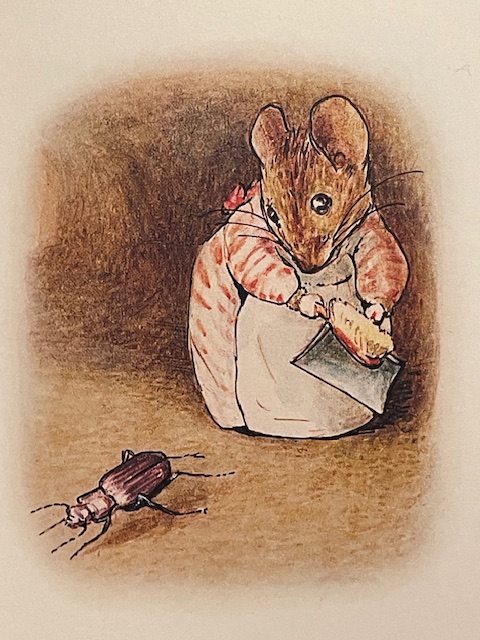
And who can resist Beatrix Potter’s charming animal character studies in watercolour for those love-to-handle little books published by Frederick Warne in the early C20th.

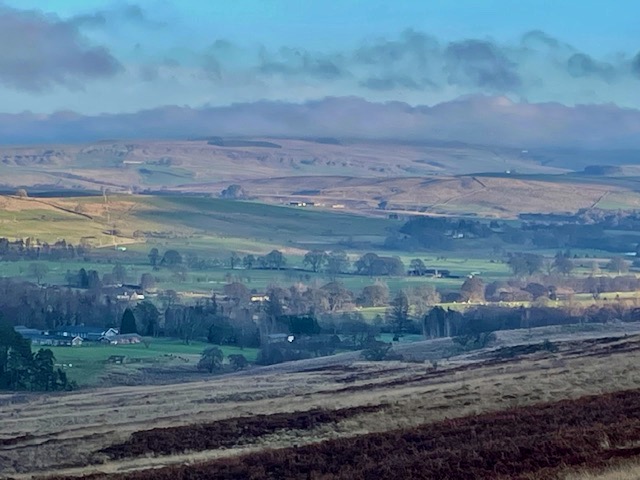
The countryside around  lies dormant now but the play of weather over it never ceases to impress. The changing climate has brought with greater unpredictability, with milder winter days and heavier rains. Bare branches reveal last year’s tiny nests of moss, feathers and grass.

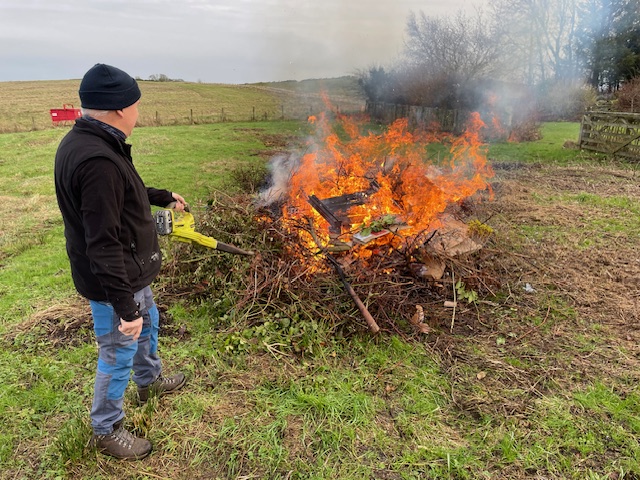
Gardening tasks undertaken when weather permits include clearing banks of dead foliage, starting to prune, nourishing compost heaps, fishing surplus leaves from the ponds. With the help of a neighbouring friend, who brought his leaf blower to push the necessary oxygen, we had fun setting a bonfire in the field with cautious use of petrol to ignite the damp mass.

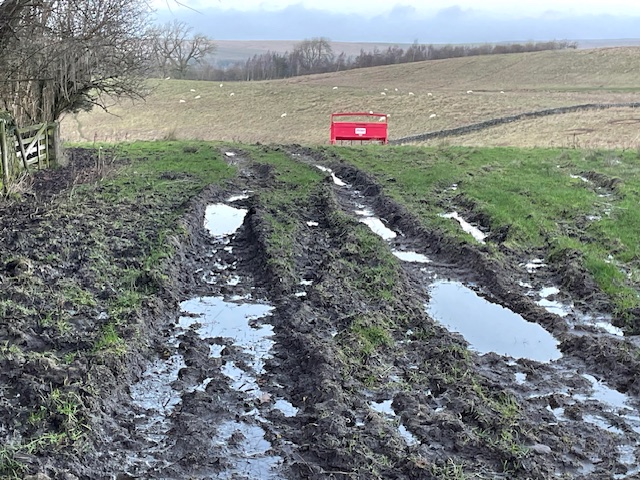
Neighbouring farms’ cattle and sheep  are rotated around sodden pastures. My eye  caught by the substantial red metal creep feeder which allow the shorthorn herd’s calves dedicated access through metal bars to get their fill of hay. A foretaste of Spring and the lambs to come. Flocks of ewes graze, rumps raddle marked by tups in harness. A Suffolk lords it  in one neighbour’s  field, A Texel in another and an old favourite from past years, Southridge’s Border Leicester in the field opposite us. BLT I call him. He’s always fearless and inquisitive when we meet so suspect he’s been used to handling from an early age. Curiously, there’s no harness on him, but has obviously been hard at work.  

Bumping in to friends out and about we are related some hairy tales, disarmingly told with great humour. One person, out walking on remote hills to the north of the county succumbs to a heart episode caused by arrythmia which floors him. Ringing 999 he’s told to text a number. Rescue services precisely locate through GPS and a stand by air ambulance helicopter is swiftly dispatched to hoist and whisk him away to hospital in Berwick.

Our egg supply is down. The neighbour who supplies them says a badger dug a tunnel into the coupe overnight and wiped out over half the hens and ate what eggs it could find too. 

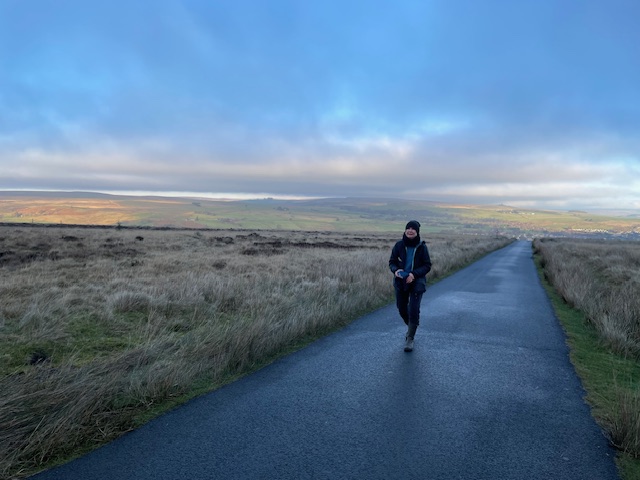
A walk over the fell leads us to an artistic friends household selling home-made artefacts for Christmas, all on display in a cosy made-to-order shepherd’s hut next their cottage. We pop into the kitchen to pay and are invited to stay for another hour or so for a long overdue laughter loaded catch up over coffee and home made mince pies.

There’s a nearby lane, along which the long distance trail runs, narrow and undulating with dry stone walls, trees and shrubs either side. It boasts a good crop of haw berries popping red against a thick crusted layer of lichen. Benefits of not cutting back means a vital food source for birds while the presence of the lichen proving pure air quality in these uplands.

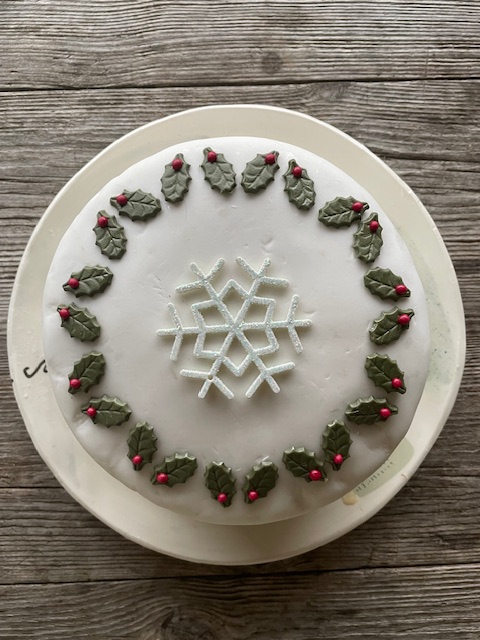
Kim in a flurry of home baking and making for Christmas so really looking forward to sampling what’s on offer. Here’s our Christmas best wishes to you and yours. Look forward to having your company on this occasional country diary page through 2026!