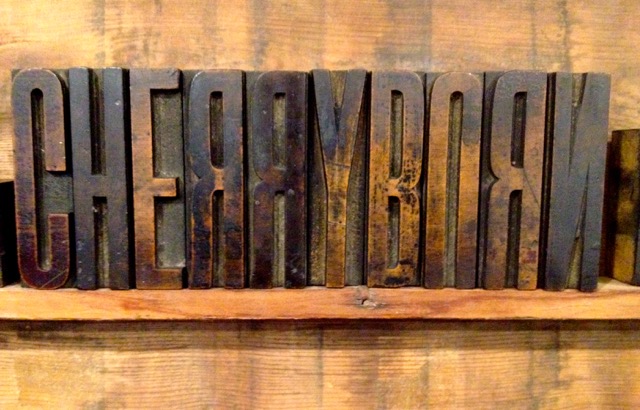
‘Oh now that the genius of Bewick were mine / And the skills that he learned on the banks of the Tyne’ (Wordsworth)
When in 2017 I moved from Lancashire to live in Northumberland, encouraged by Kim I took to volunteering for the National Trust at Cherryburn, birthplace of the engraver, artist and naturalist Thomas Bewick (1753-1828)

Post Covid I’m now employed there as a ‘Customer Services Assistant’ on the two opening days, Thursday and Friday, up until the end of October. With mine and Bewick’s birthdays fast approaching I thought it a good time to write a few words about man and place…
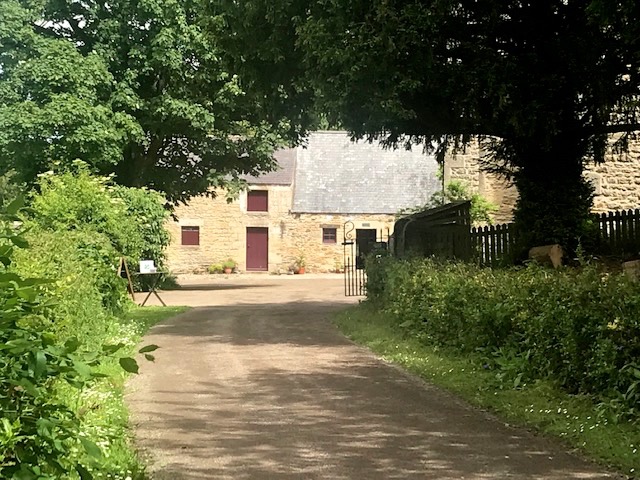
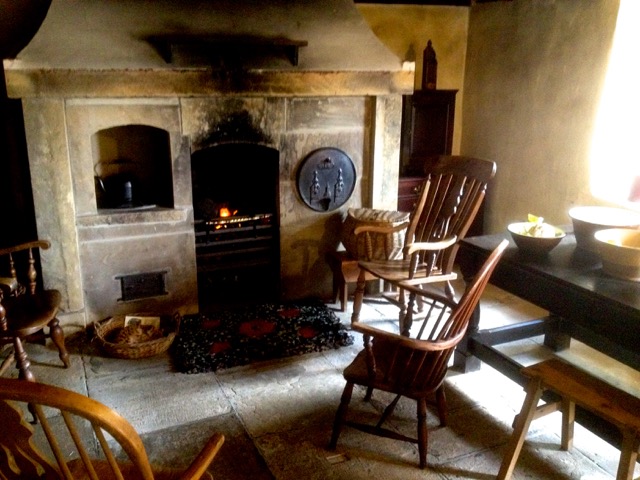
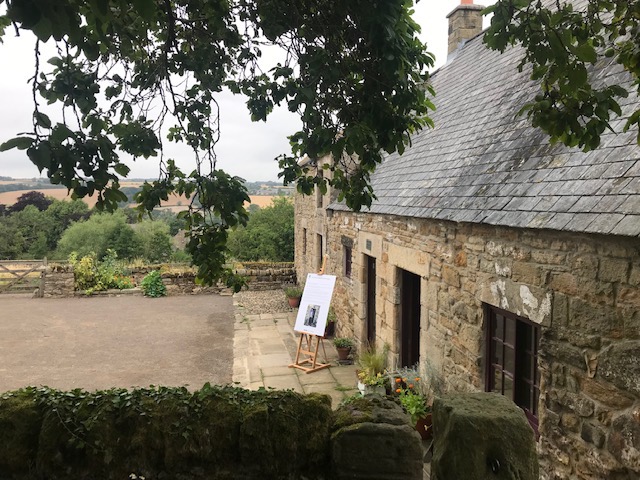
Cherryburn is a preserved 18th century farmhouse situated on the steep southern flank of the Tyne valley, a dozen miles upstream from Newcastle. The Bewick family’s new farmhouse next door, dating from the 1820s, made the former stead redundant as a residence, when it was part demolished and given over to stock and storage use. Cherryburn was the first museum to be taken into the care of the NT, in 1990. It only had 8 acres attached to it in Bewick’s day but the family also leased and worked a small coal pit and enjoyed grazing rights on neighbouring Mickley Common.
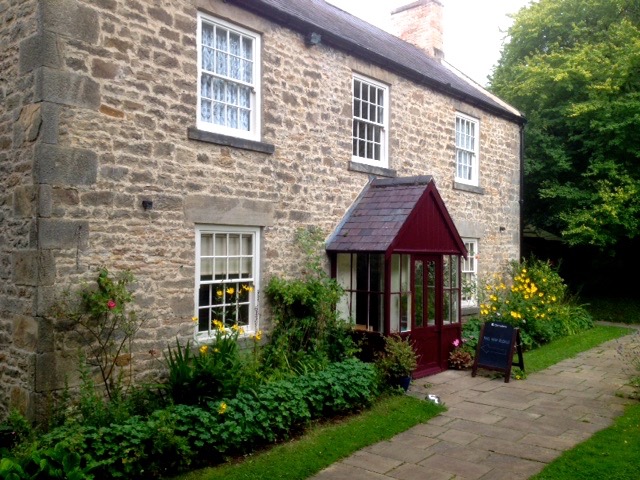
Thomas was born at Cherryburn in August 1753, the eldest of 8 children. He spent the first 14 years of his life here before leaving to serve out a seven year apprenticeship to the engraver Ralph Beilby in his workshop at Amen Corner by St Nicholas Cathedral in Newcastle. The two men later became partners in the thriving business, engraving everything that could be engraved on any surface, from glass and precious metals to wood, ivory and leather. The busy premises have long gone but a bust and plaque to commemorate Bewick marks the spot.

Thomas Bewick perfected the art of wood engraving in Georgian England, revolutionised the illustration of natural history and was the first artist to make a living from book illustration. Seeking to produce the illustrated wildlife book he sought out as a youth but never found, the young businessman set out to produce it himself.
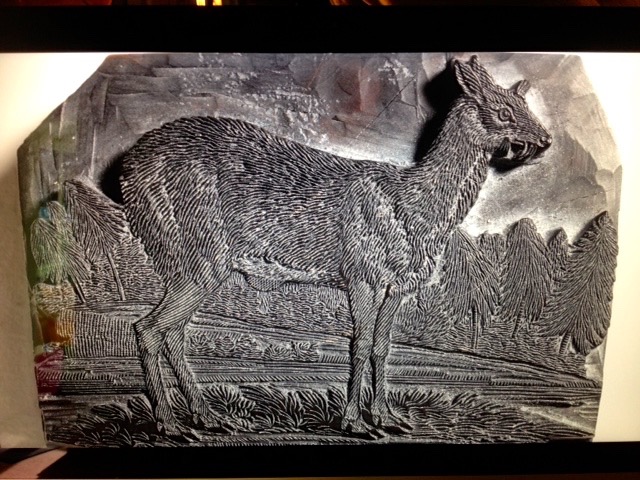
The resulting volume, 5 years in the preparation, was A General History of Quadrupeds (1790). A glorious muddle of illustrations and descriptions of familiar four legged creatures – horses, cattle, sheep, badger, fox etc. – mixed in with the unfamiliar – kangaroo rat, lapland marmoset, cameleopard, spotted hyena and many other creatures novel and exotic to European eyes.

Encouraged by the widespread popularity and commercial success of Quadrupeds he went on to produce the influential masterwork on which his reputation rests, A General History of British Birds (land birds, published 1797 and water birds in 1805). Its breakthrough style – pocket sized, with detailed illustration of animal in its habitat with description under – established the format for future field guides.

The young untutored Thomas had been obsessed with ’figuring’ on every available surface with anything he could get hold of – bird feather quills, nails, pencils or chalks. In between doing hard every day physical work around the farm and mine he flunked elementary education at the village school to roam the fells, woods and riverside. Acute first hand observation and total immersion in every aspect of nature and country life, through all the seasons, would stand him in good stead for his future chosen career. He would draw freely on that rich memory bank of imagery and incident which, when combined with outstanding technical mastery of craft, resulted in the extensive range of work we admire today.
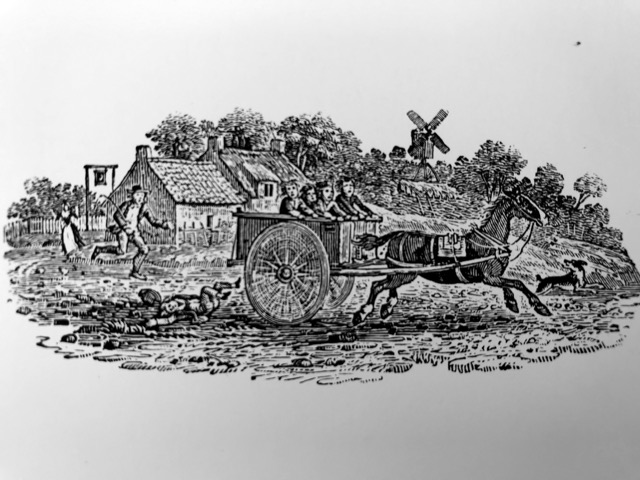
Bewick is also famous for the ‘tail pieces – or ‘tale pieces’ as he called them – which filled in any blank white space on a page at the end of a description. These delightful miniature vignettes usually tell a story or point a moral. Just like the bird engravings they capture and distil an intimate and earthy knowledge of the subject matter and encapsulate it brilliantly despite, or because of, the restrictive space.
Up until his parents died in 1785 Bewick would spend most weekends at Cherryburn, walking there and back from Newcastle as a matter of course. A big personality, mentally and physically, Bewick prided himself on his physical fitness, self improvement activities and clean living. Only when both parents died in 1785 did the young man consider himself free to marry childhood sweetheart Isabella the following year, the couple going on to have four children.
Thomas Bewick became famous in his own lifetime, much to his great embarrassment. He died, aged 74, still working to the end, having spent virtually all his life on Tyneside. Bewick’s work is better known than he is, most of our visitors knowing little about him when they arrive but leave knowing a lot more, sharing our love and respect for this remarkable northerner and his singular achievements.
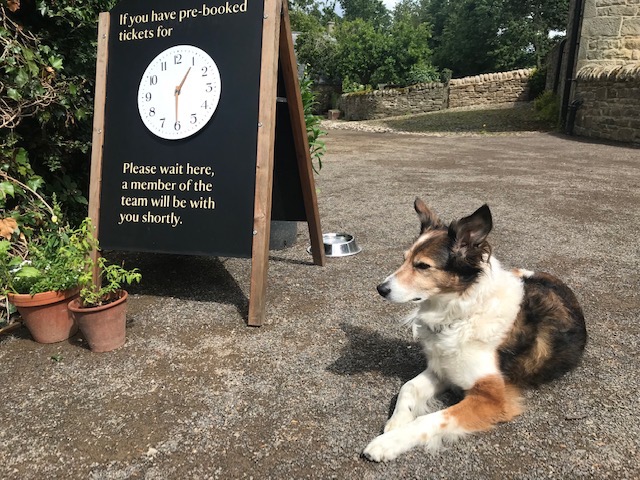
If you’re in the area and fancy discovering Cherryburn for yourself please pay a visit. You’ll be greeted on arrival either by me or my lovely colleague and friend Norma. She is someone guaranteed to give you the warmest of Geordie welcomes! https://www.nationaltrust.org.uk/cherryburn

If an actual visit isn’t possible but you’d like to know more about Thomas Bewick and his world check out the beautifully designed and comprehensive Bewick Society website. http://www.bewicksociety.org/
Leading biographer Jenny Uglow has written a highly readable award winning biography of Thomas Bewick entitled Nature’s Engraver (2007) https://www.faber.co.uk/product/9780571223756-natures-engraver/
A gate and a field half ploughed,/ A solitary cow,/A child with a broken slate,/A titmarsh in the bough. But where, alack, is Bewick / To tell the meaning now? (Tennyson)