
A while back we were in the audience for a talk at Newcastle Central library, part of a nationwide book launch, given by the academic, multi-award winning writer and broadcaster Dr James Fox. (https://www.drjamesfox.co.uk/)

James had been all over the UK unearthing the vital if under appreciated role of craft makers in forging our country’s cultural history and local identity. Dry stone-wallers, clockmakers, blacksmiths, weavers, milliners, saddlers, cutlers and coopers are among the array of past and present practitioners who get a mention in Craftland: A Journey Through Britain’s Lost Arts and Vanishing Trades. It has also been broadcast, with the author reading, as a BBC Radio 4 Book of the Week. (Sadly not currently available on BBC i-player)

James’s understanding and eloquent evocation of past and present practices couldn’t fail to draw us into his own well-crafted narrative. Beyond buying the handsomely produced book we were reminded that the best way to ensure a future for today’s craftspeople is by seeking out and, if possible, paying good money for their unique hand crafted products.

Earlier this month, we headed north to an open studios event, near Greenlaw, deep in the Berwickshire countryside. The winding 3.5 mile private drive from the village, along a leafy single track lane, hinted at its final destination being a grand one, which duly turned out to be the case.
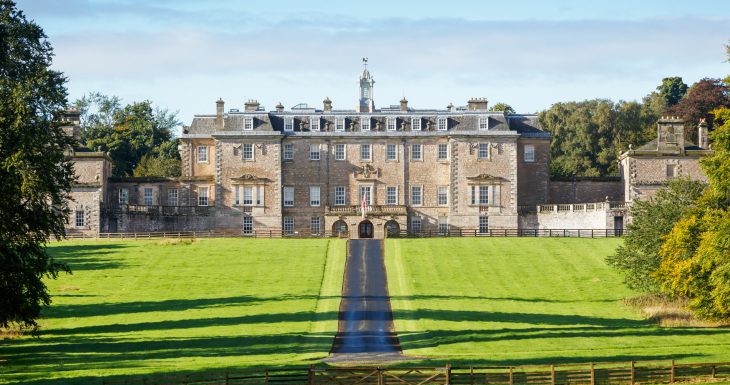
Marchmont is an C18th Palladian mansion at the heart of a 5,500 acre farming estate. The house with its grand Georgian interiors and sumptuous art works is only open to the public for a few days each year, and for staging occasional operatic and other musical events. In recent times, up until 2005, the main building was a Sue Ryder home before becoming a private residence once again.( https://www.marchmonthouse.com/)
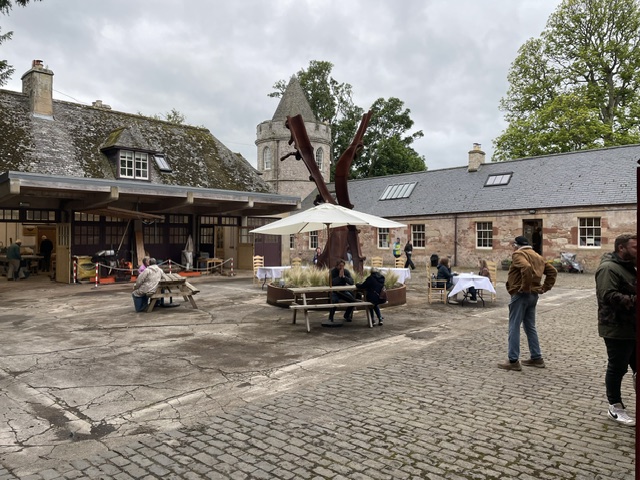
But it wasn’t the house we’d come to see today. Circling its imposing grand frontage we arrived at the equivalent of a town house’s tradesmen’s entrance – the old coach house, stables, garages and adjacent walled garden.
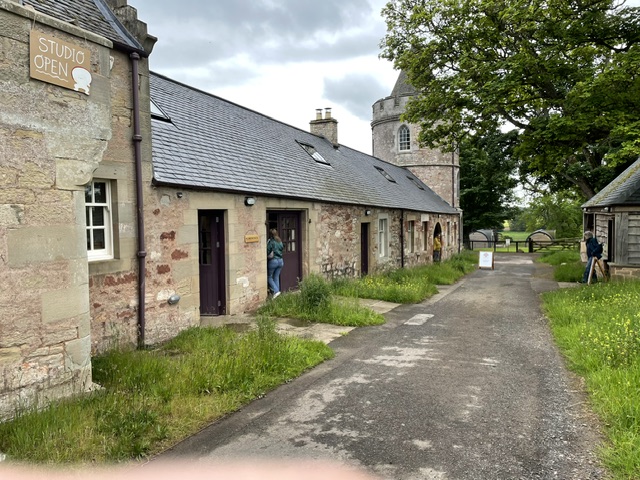
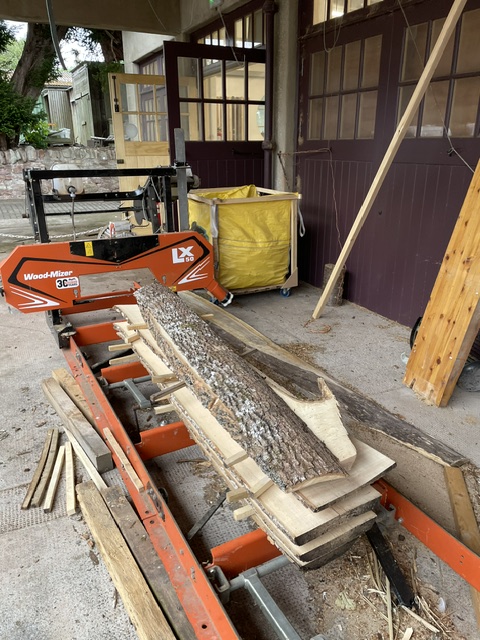
The solidly graceful pink sandstone courtyard was abuzz with activity. This substantial hub is home to the workshops of silversmiths and weavers, furniture makers, potters, artists and illustrators. Converted, managed and given rent free.
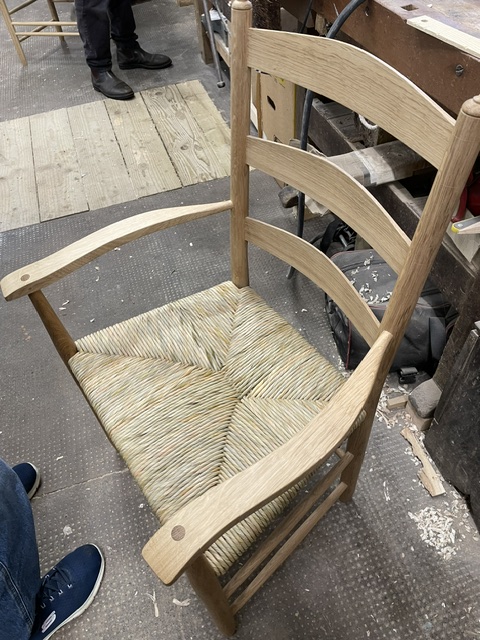
Particularly struck by the beautiful chairs in oak or ash with their rush seats, all worked from locally sourced timber and sedge. The makers demonstrated turning, steam bending and finishing.
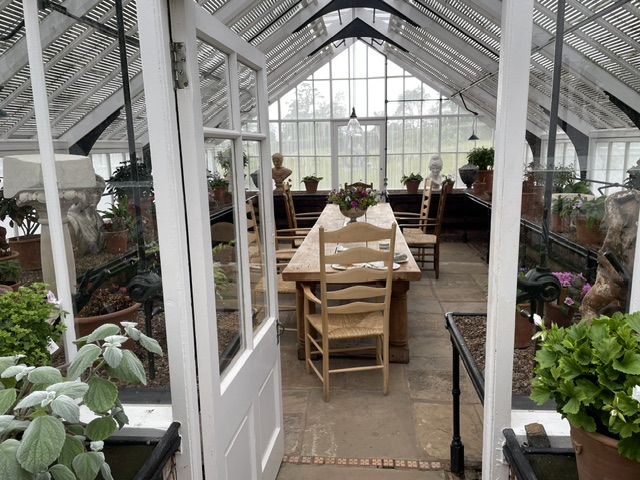
The open day also encompassed the mansion’s former walled garden and its interlinked elegant garden rooms and conservatories.
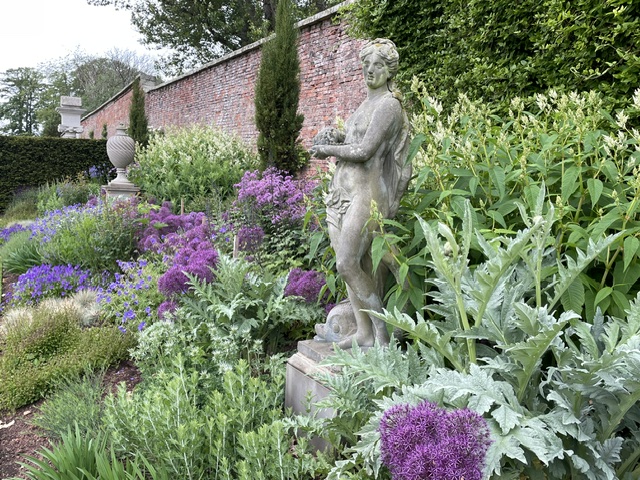
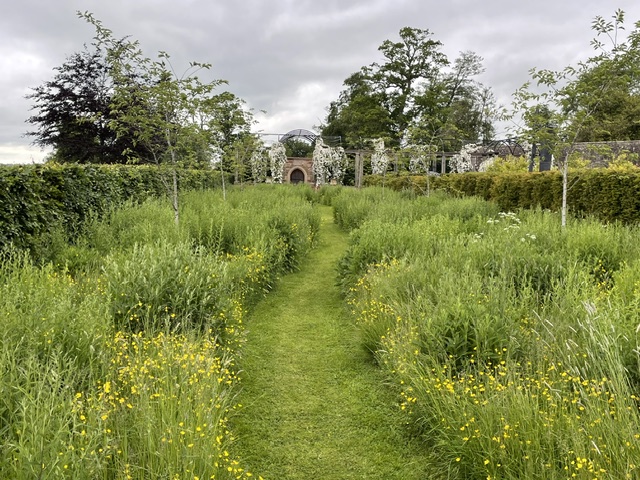
The planting of the expansive garden, contrasting repetitive masses of meadow plants contrasting playfully with the formal lines of topiary, hedging and wide flower borders was a pleasure to explore.
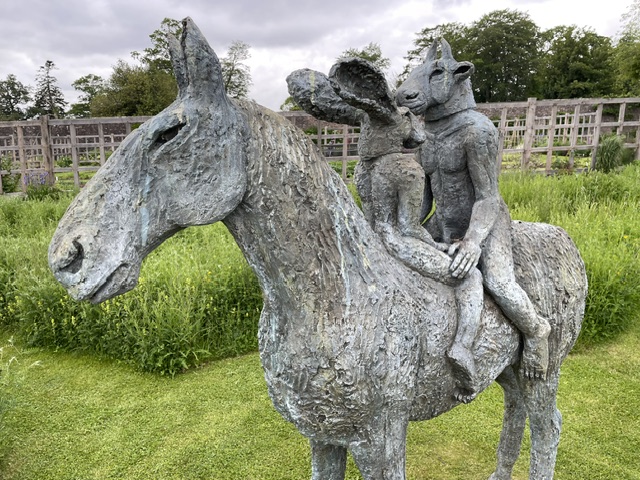
Commissioned contemporary works and the estate’s original classical garden statuary combine to make this walled garden a fine outdoor sculptural gallery.
All the above has been made possible by the charitable foundation set up in memory of the late entrepreneur and investor Hugo Burge (1972-2023) whose family trust have run the Marchmont estate since 1988. (https://www.hugoburgefoundation.org/)
A self-confessed arts and crafts geek this much loved charismatic benefactor did not hold back from putting his money where his mouth was. Inspired by the latent talent to be found here in his adoptive home land in the Borders, Hugo commissioned art works and opened garden and stable block for arts residencies and educational courses.
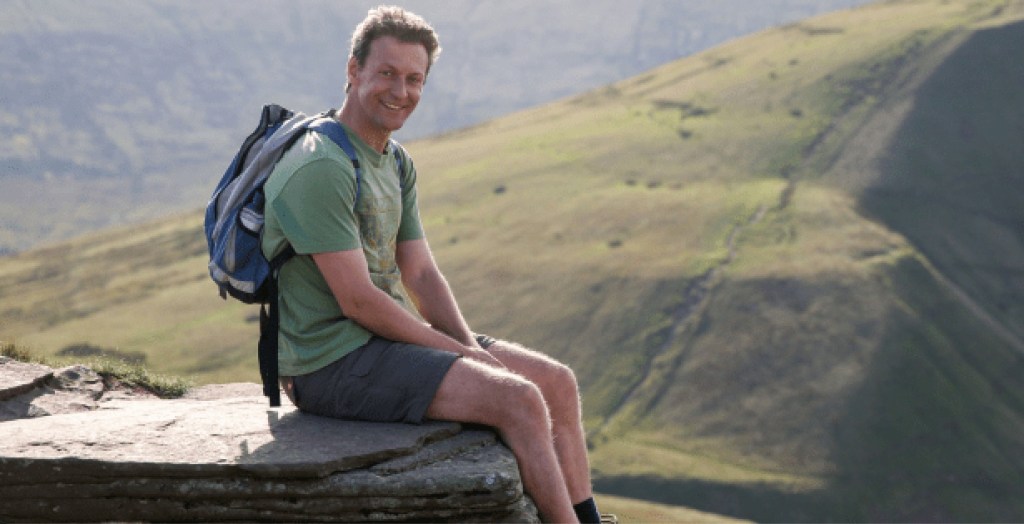
Which brings me back to Craftland author James Fox who is also the Hugo Burge Foundation’s creative director, part of a management team that is realising the wider ambitions of its late patron in supporting and developing craft based activities.

And not only here in the countryside but further afield in urban settings. I wish them well in their work and hope they can interact with a wider range of lesser known artisan trades before those more endangered craft and their skills pool disappear for good.
‘The wonderful thing about adventures is you never quite know where you are going…’ ( Hugo Burge)

 STEPHEN TOMLIN