Sealife, Serpents and Semi-parasitics

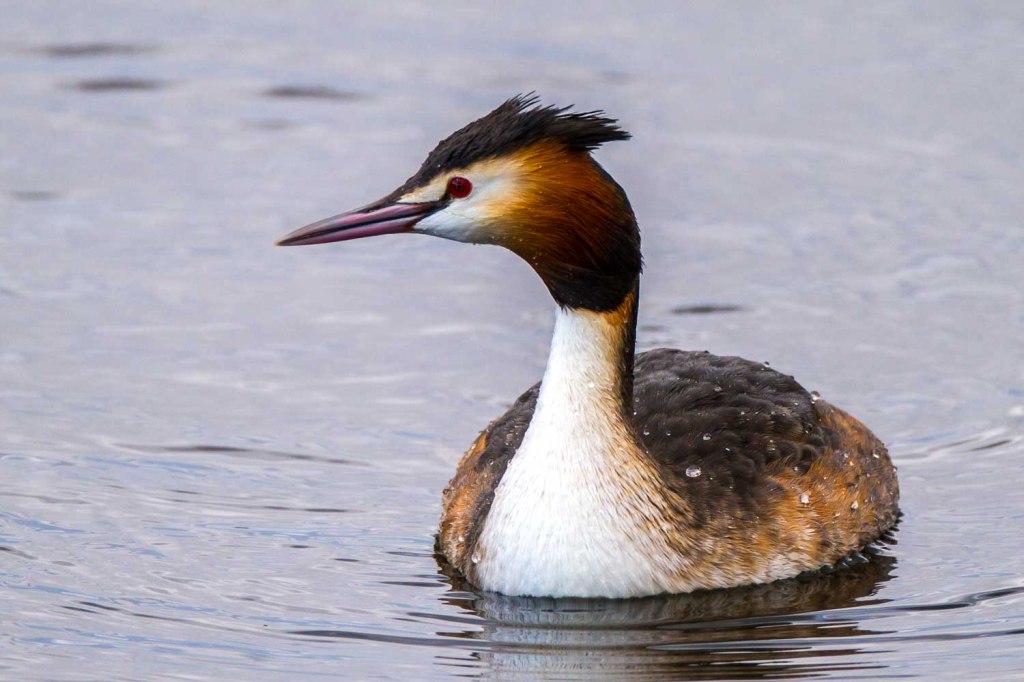
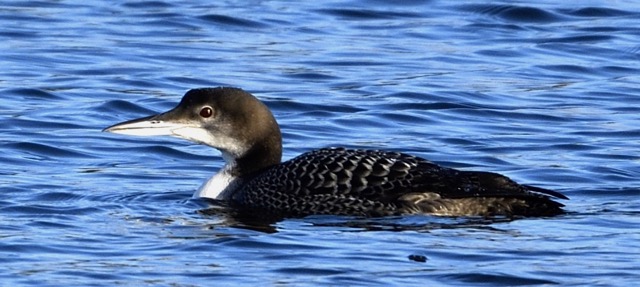
Great Northern Diver: Photo credit David Hutchison

Headline acts apart, we had a great range of other natural history engagements round and about the Isle of Mull with our well informed local guide Andrew. He pointed out a large seabird with a heavy bill and stout neck, sitting low in the water, cormorant like, coasting along the shallow shores for food. Great Northern Divers, immigrants from the frozen north extending their winter break, sometimes stay on to breed here. Kim knows these birds from her upbringing in Canada where they’re populous and known there as Common Loons.
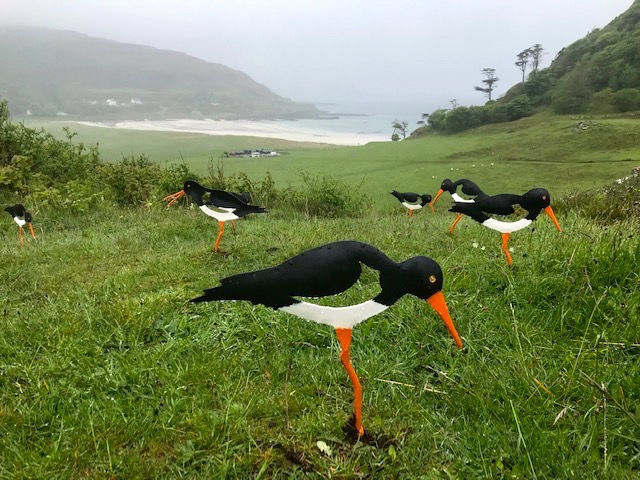
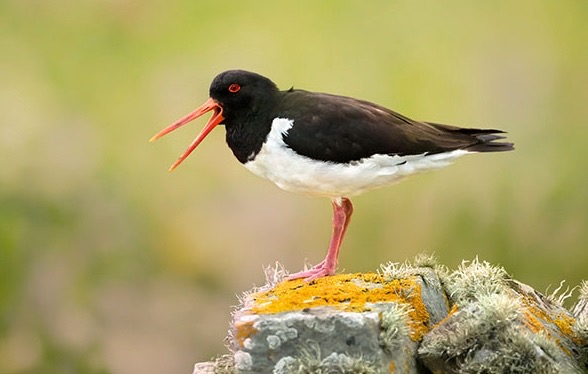
Oyster Catcher: Photo Credit Bird Spot

We stopped to watch the behaviour of a group of Oyster Catchers on a pebble beach and Andrew explained that they make a scrape in which to lay eggs and not a nest as that would draw unwelcome attention. The 2-3 mottled eggs laid are lost in the mass of pebbles to all but the parents and are more likely to be crushed by accident than taken deliberately. Both birds take it in turn to incubate and patrol, distracting attention when potential predators are watching – like us!

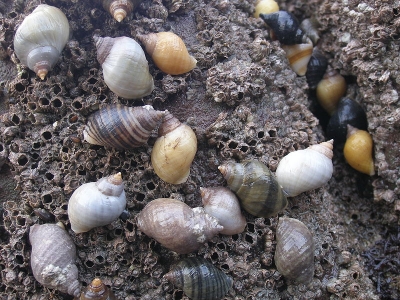
There aren’t enough oysters about to let those waders live up to their name. One creature that does predate oysters is the common whelk. These common sea snails (also known as periwinkles in Scotland) are carnivorous and like nothing better than applying their auger like tentacle to drill a tiny hole in the shells of mussels and oysters, allowing them to slowly extract and consume the occupants. Continuing on our motorised ramble we passed small encampments of traveller families, hired by landowners to harvest whelks along the shore. We saw by the caravans netted sacks of molluscs stacked ready for export to the mainland. Come back in a few weeks when the season’s over and you’d never know people had ever pitched there, Andrew pointed out. Whelking being a long tradition on Mull it has engendered a mutually respectful relationship, he added.

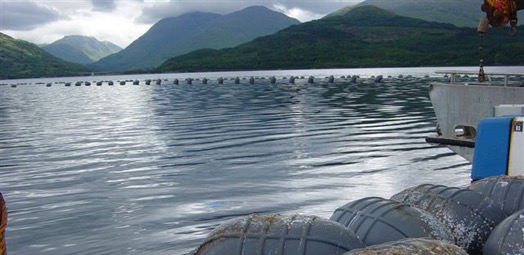
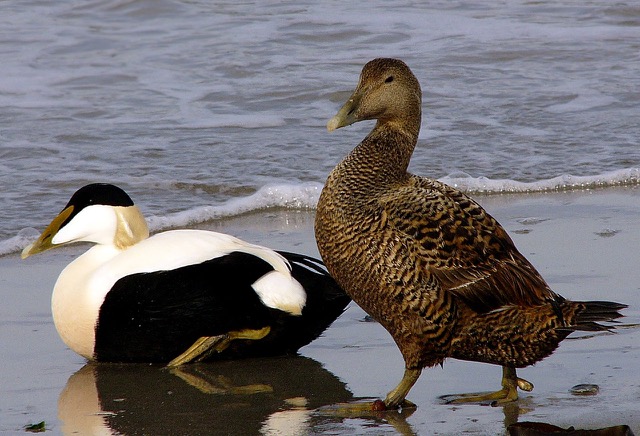
Earlier in the day we’d passed Inverlussa, a sheltered tree lined bay, its waters scored by parallel lines denoting the infrastructure securing vertical ropes on which cultivated mussels cluster and grow. This sustainable continuous farming system, originally pioneered in New Zealand, was successfully introduced here in 2006. Andrew informed us the greatest peril this family owned business faces is not predatory whelks but the insatiable attentions of eider ducks that have to be deflected every day from gorging on their harvest below the waves. Britain’s heaviest and fastest resident duck living in large flocks around our northern seacoasts, they can dive as far down as 30 metres in search of food.

Common Eider, Male (l) & Female (r) Photo Credit: Andreas Trepte/Creative Commons

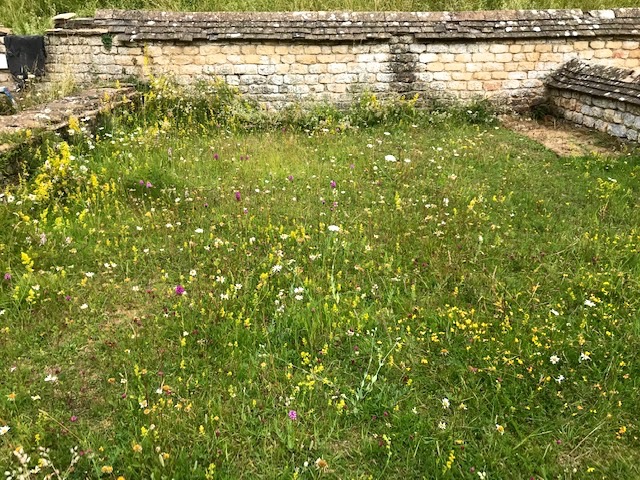
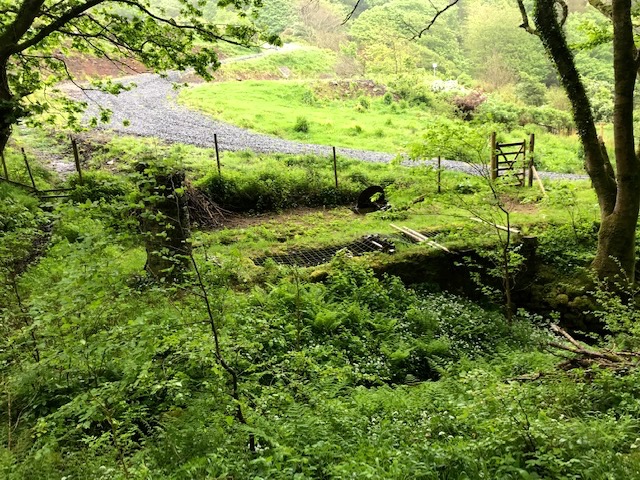
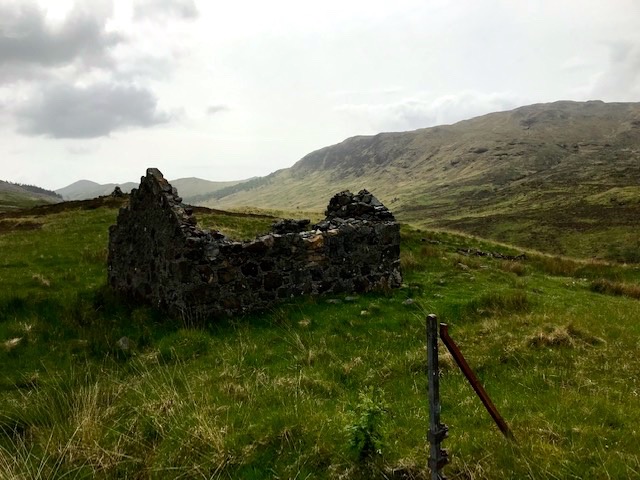
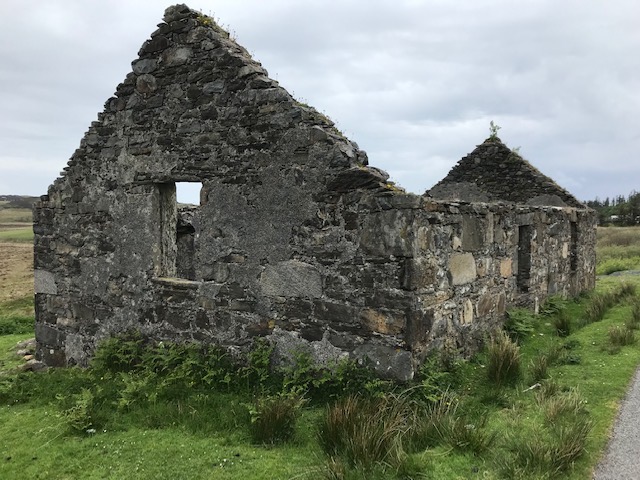
There was one endangered creature I wanted to see but had no luck in finding. Andrew pointed out fragments of a ‘ghost road’ running parallel to the current route (which opened 1967) connecting Craignure and Fionnophort. That ancient winding track, with remnants of bridges over burns and stretches of embankment, has been slowly absorbed by nature back into itself. We turned off by a ruined building to rest where the old road’s tattered tarmac peeped through a mosaic of turf and flowers.

Ruined steading by the old road

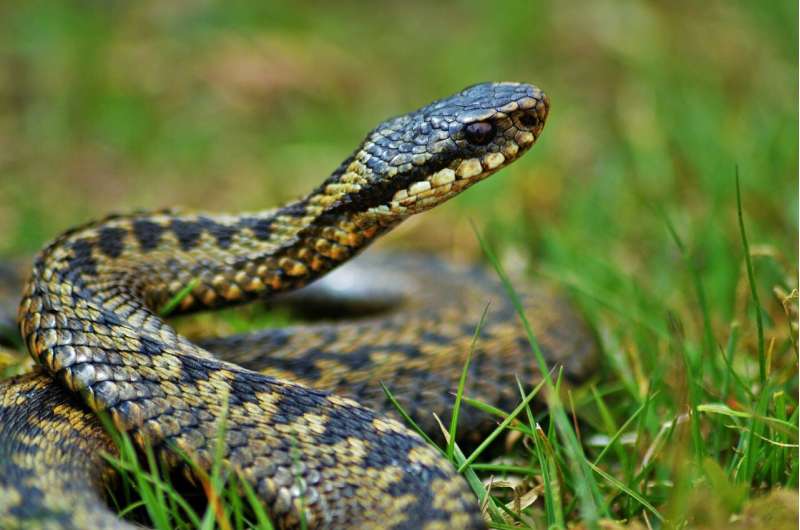
This has become an adder breeding site said our guide, which piqued my interest. Though still widespread in the highlands the common European viper or adder (Vipera berus) is the UK ’s only venomous snake. Rarely found on the western Isles, with Mull proving a notable exception. The snake uses its venomous bite to kill rodents, lizards and nestlings while any hurt afforded humans is nearly always accidental, extremely infrequent and rarely fatal. ‘Nadder’ derives from the old English word for ‘Serpent’ but the ‘N’ eventually got dropped. Ironically it worked the other way round with newts when the ‘Ewt’ gained the ‘N’ the adder lost!

Photo Credit: Creative Commons

It’s been many years since I’ve seen that tell tale zig-zag pattern on the back of this reptile, a creature that loves to bask in the sun. As kids we used to frighten each other silly running through the summer bracken on Dartmoor, laughing and yelling the ‘vipee’ll get ee!’ The poor shy creatures would have vanished in an instant if they’d sensed our presence in any way, and there’s the rub. Recent scientific research has shown that vipera berus is in severe danger of being confined to just a few protected sites by 2032 if the present rate of decline continues. Crows and buzzards are the snake’s main predators while disturbance from dogs and people alongside mechanical mowing can severely disrupt their breeding processes. https://www.discoverwildlife.com/animal-facts/reptiles/facts-about-adders/

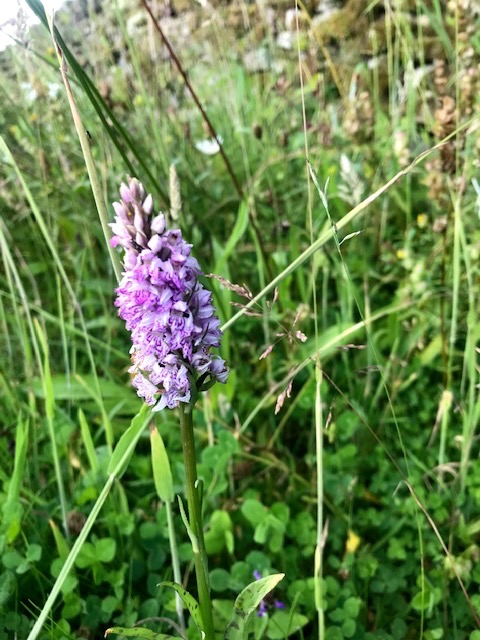
Marsh Lousewort

In looking out for any sign of an adder adder I got absorbed by the small flowers. Marsh Lousewort, also known as red rattle, is a semi-parasitic living off the roots of trees and grasses which allows it to thrive in poor soils like the ones here and is an important food source for bees. (Its cousin, yellow rattle is a keystone plant in establishing and maintaining a traditional meadow) Lousewort has been used for centuries as a medicinal herb. It contains several active compounds, including flavonoids, alkaloids, and essential oils, that have anti-inflammatory, analgesic, and antispasmodic properties.

Common Butterwort

Another plant found here by the old road, which I looked up later, was the Common Butterwort whose pretty blue flowers appear from May to July. Like Common Lousewort it is well adapted to survive in nutrient poor acidic soils, in this case by trapping insects in the sticky whorl of leaves at its base, which then curl shut allowing the plant to absorb them. The old rural knowledge had it that rubbing the juices of these leaves into the udders of cows would protect against evil and bad butter, hence the common name. As we reassembled and climbed back into the mini-bus to continue our tour I wondered if the former inhabitants of the nearby ruined steading had ever followed that practice.

Otters and Eagles

The big show to attract many visitors to Mull in the 21st century has highlighted the profiles of its three star turns; otters, white tailed eagles and golden eagles. The RSPB reckon that some 160 jobs on the island are dependent on bird watching alone. The glorious triumvirate were not the main driver for our visit but the delightful encounters we had with them provided some truly unforgettable moments.

It takes constant low level attention to drive properly along Mull’s single lane roads so it repays letting someone else take the wheel. When that companion has intimate local knowledge of both territory and creatures that inhabit it then it’s well worth the relatively modest cost involved to secure their services. Andrew Tomison is one of those people. The former salmon fisheries scientist also hosted five other folk on our day out and we made for a convivial crew, taking turns to sit in different seats in his minibus to vary the views and Q&A’s. (https://wildlifeonmull.co.uk/) Pulling in to passing places or overtaking where required we cruised over mountain passes, through woods and forests and around sea lochs in the quest to view those leading players in action.  

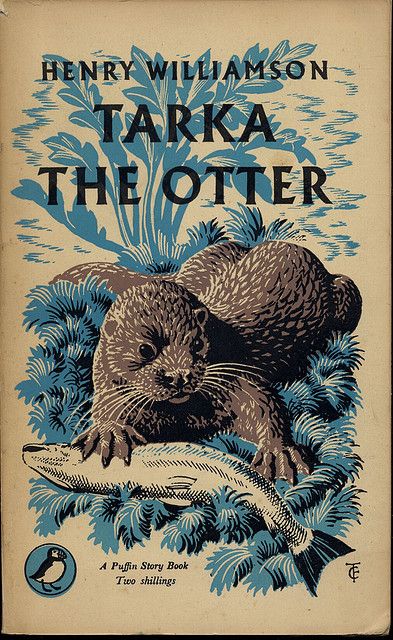
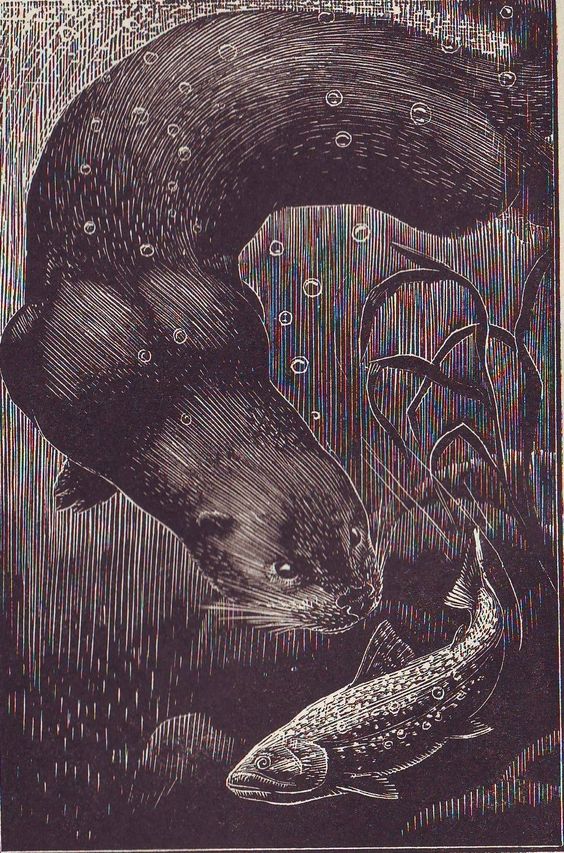
One of my favourite books growing up was Tarka the Otter by Henry Williamson. Charles Tunnicliffe’s brilliantly rendered illustrations perfectly complemented the drama of the dog otter’s ‘Joyful water life and death in the county of the two rivers’. I’d viewed sea otters at Monterey on a visit to California two decades ago but apart from animals in zoos or wildlife parks I had never seen a Eurasion Otter (Lutra lutra) in the wild, until now.

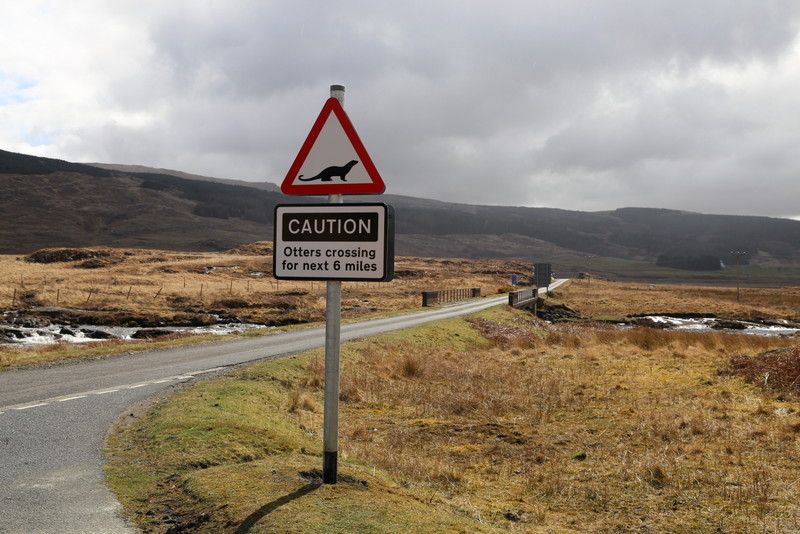
Mull has 300 miles of coastline and both inland water and sheltered sea lochs, making it the perfect environment to sustain a healthy population of otters. Much of the island’s network of narrow roads hugs the coastline, which is rich in kelp embedded on the ancient rock formations, the perfect intertidal hunting and resting environment for these extraordinary mammals as they move from inland freshwater hunting grounds to favoured seaside haunts. Thanks to their helpful human allies in the Mull Otter Group (www.mullottergroup.co.uk) motorists are reminded to look out for them crossing.

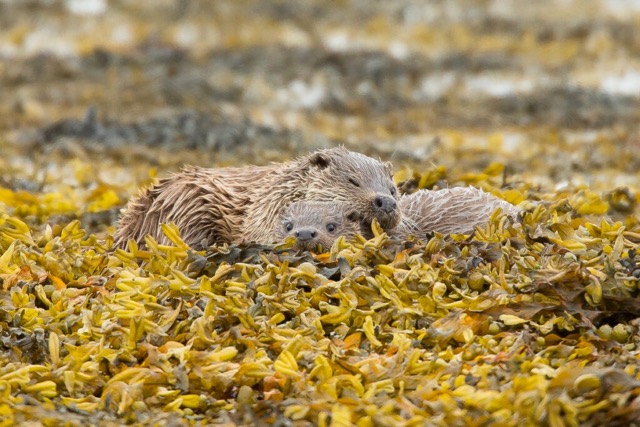
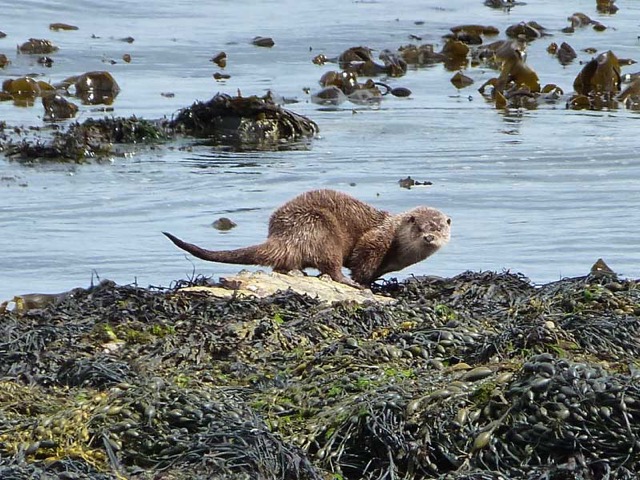
We saw the spotters before we saw the otters. Some dozen or so folk, standing stock still, hid behind bushes or sat on rocks, binoculars or long lensed cameras poised, focused on the shoreline some eighty yards distant. The minibus parked and we decanted quietly to swell the numbers. The phone camera cannot do justice to what I saw over the following half hour so here’s an image from a professional that will give a feel of it.

Cubs (usually two in number) stay with their mother for up to two years, learning all they need to know to survive. It was such a family threesome we were thrilled and privileged to see in action here. I think one of the reasons otters appeal so much to us is that they make killing look like fun. Whether in full acrobatic pursuit of fish and crabs underwater or rummaging through layers of wrack on shore to extract shellfish and other marine life hiding out there. The constant interactive playful nature of otters in this context is truly mesmerising. As indeed were the stiller moments we witnessed; eating, grooming, playing.

What a perfect set of evolutionary characteristics. Their webbed feet each have five clawed toes for gripping slippery prey securely. A predator’s set of 36 teeth within strong jaws, combining backward curved canines and sharp molars. Two layers of fur. A very fine dense inner layer within a waterproof guard layer of coarser hairs, constantly groomed to retain its water repellent and warming properties. The otter manages in that process of grooming to trap a thin layer of insulating air between each layer and can self regulate body temperature. We could see too that the family group in water had sleeked coats, which when back on land became instantly spikey, a sign of their good health.

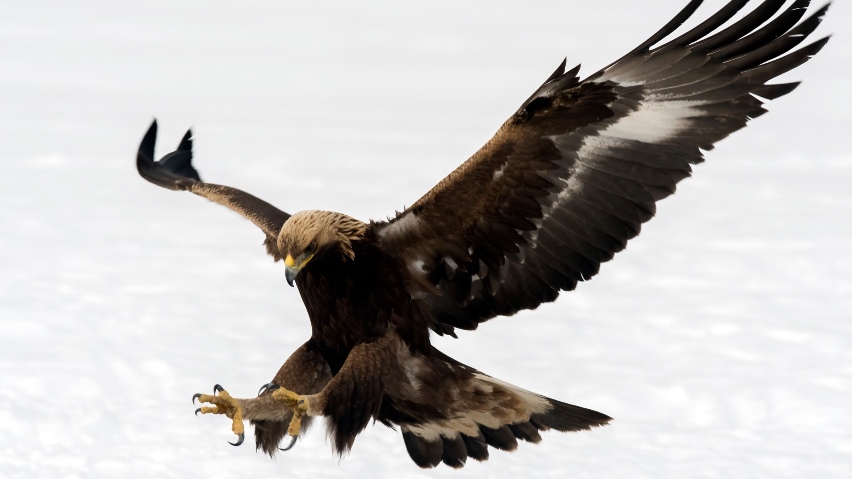
Where Eagles dare. A safe distance from man, that’s for sure. After centuries of being driven to extinction due to the shooting interests of the huge sporting estates across the highland and islands these magnificent birds are now firmly back in place as the island’s apex predators. The UK’s largest bird of prey, with a wingspan up to two metres, the white tailed or sea eagle can be found in greater numbers here than anywhere else in Britain. The outlawing of harmful agri-chemicals like DTT, tough new protective legislation and scientific re-introduction programmes from the 1980’s onwards have enabled both species to gradually reclaim their empires of air land and sea here in the Western Isles.

Andrew, ever the genial guide, was good in getting us to understand the differences between the species as we set up to view their various nesting sites from a safe distance with the aid of his binoculars and tripod mounted telescopes. The whites have broad wings and fanned tails compared to the golden’s narrower wings and longer tails. The hunting characteristics and styles he described were fascinating too. The sea eagle’s precise glide, grab and lift of fish to golden eagles, from their eyries on inland cliffs, who have learnt to hunt the red deer that are so numerous hereabouts. Working in tandem they fly low over the terrified animals in order to stampede them over the cliff. They can then feast on the broken bodies below at leisure. Carrion for both species is an important supplement to live catch as their daily average food requirement is around 250 grams. Regulations allow farmers to be compensated by the government for any proven predation of spring lambs.

At one inland site between mountains we viewed a white tailed eagle well hidden in an isolated stand of commercial conifer plantation on a precipitous hillside. Its fearsome yellow hooked beak was the principle feature to catch the viewers eye at a distance. The rest of the dense forest had been clear felled but, with the discovery of the nest, all mechanical forestry activity within one kilometre of the eyrie had, by law, to cease immediately until any chicks had fledged. Quite something to see the needs of nature aligned with those of tourism, placed equally in the scales with economic and cultural interests.

Ardalanish

Ross of Mull. A few miles of single track winding south in wild country, passing isolated roofless dwellings. A stark reminder of centuries of depopulation here in the Western Isles, a trend only reversing in recent decades. Happily we were headed for a place that’s a great example of how traditional crafts and farming can be reinvented to meet the needs of our own age.

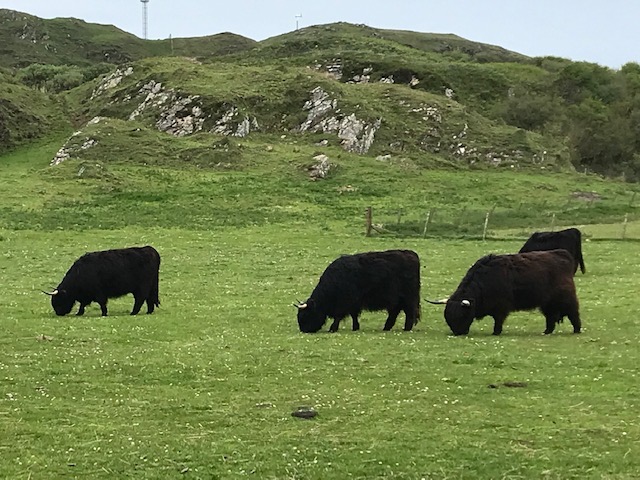
Ardalanish is a 1,500 acre hill farm. Its herd of 60-70 indigenous black coated Kyloe cattle (a third of which are breed cows) whose entire lives are spent outdoors grazing this beautiful but hard terrain. Highland cattle are highly valued by conservation bodies for their non selective foraging habits which are perfectly in tune with the environment, enhancing the flora and maintaining ecological balance.

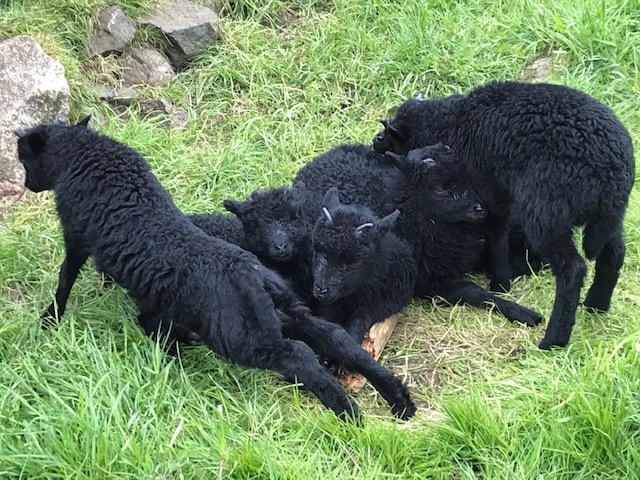
The farm’s flock of 300 distinctive black horned Hebridean sheep likewise live their whole lives outdoors with little supplementary nourishment by way of silage or hay. Delighted to see these five lambs (above) on our visit . Stock is slaughtered locally, hung for flavour for between 3-4 weeks before being cut and vacuum packed by Mull’s community butcher and available to buy both at the wee farm shop as well as online. If we weren’t staying on for longer we’d have bought some beef or lamb to sample back home.

Image: Iona Wool

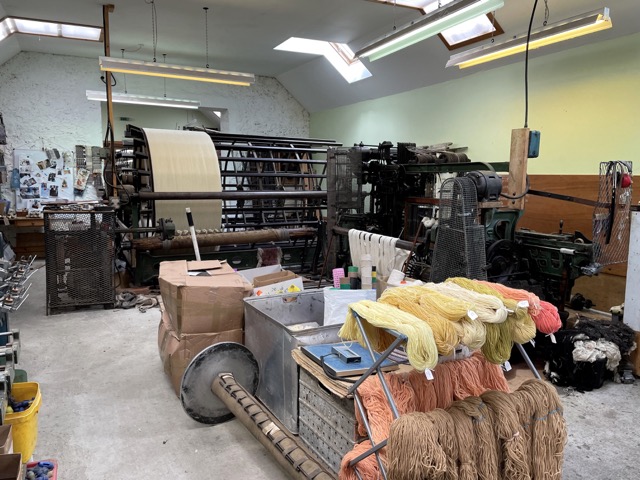
Ardalanish’s name though is best known as the home of contemporary weaving on the isle of Mull. The business was established in 1987 and the current co-owner, who we were talking to on arrival, had been here since 2004. The showroom in the barn is a wool lovers delight. Blankets, throws, shawls, wraps and scarves all woven on site alongside bags, purses, jackets and hats made elsewhere from their finished material. They also sell a range of tweeds for tailoring as clothing or soft furnishing.

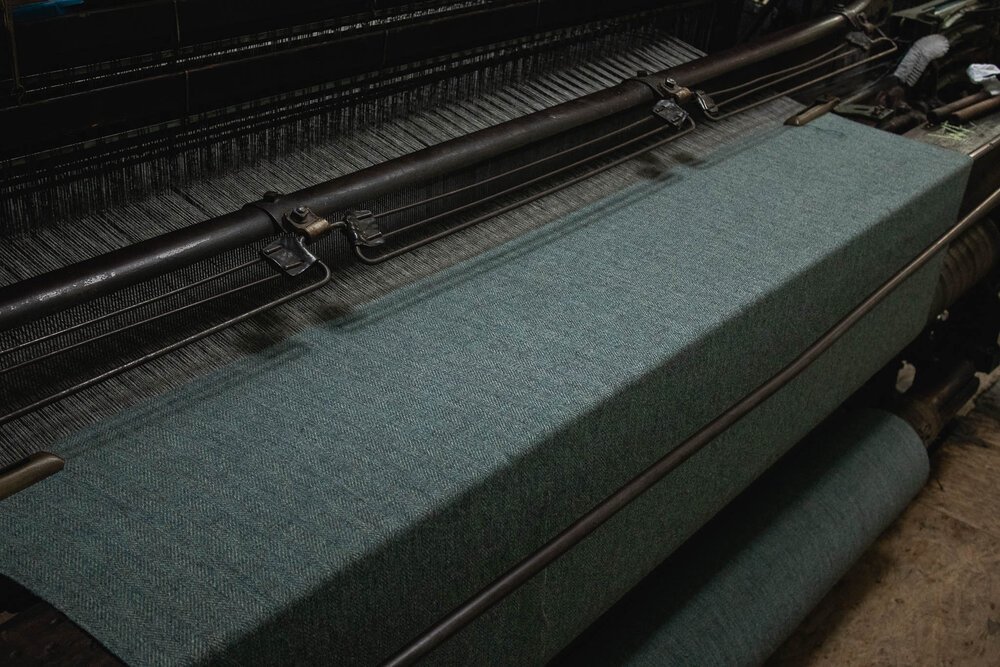
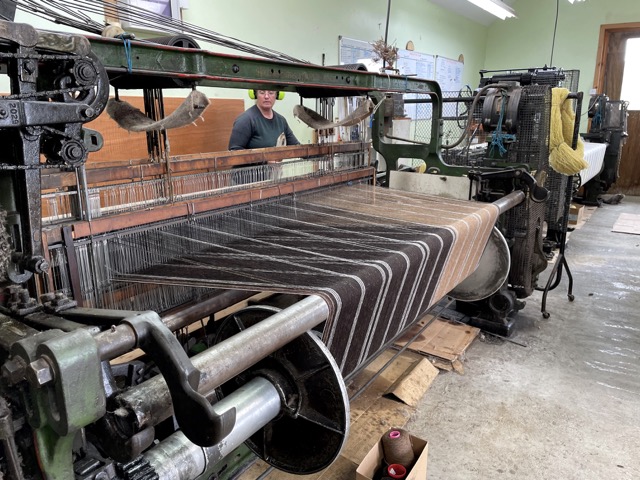
With ear mufflers donned we were able to witness manufacturing in progress. I love that blended pungent aroma of wool, hot metal and oil that fills the air in a working weaving shed. One of their 1950’s electric powered Dobcross looms flew through its multi-part paces at speed, clanging and clicketing away under the sharp eye and deft hand of the accomplished weaver, who would sometimes stop to rethread or adjust settings. The cast iron looms weigh over two and a half tons and stand around six feet tall. Between 1860 and 1967 huge numbers of these iconic machines were manufactured and exported by Hutchinson, Hollingworth & Co from their mill twixt Saddleworth and Oldham. A wonderful exemplar of textile engineering born out of the Industrial revolution, embedded in England’s Pennines, and still going great guns in this and other UK heritage weaving centres.

The natural colours of the landscape and its flora and fauna are reflected in the entire product line. Subtle and resonant shades of black brown and grey from the the Hebrideans blended with imported Shetland and Manx Loaghtan wool.

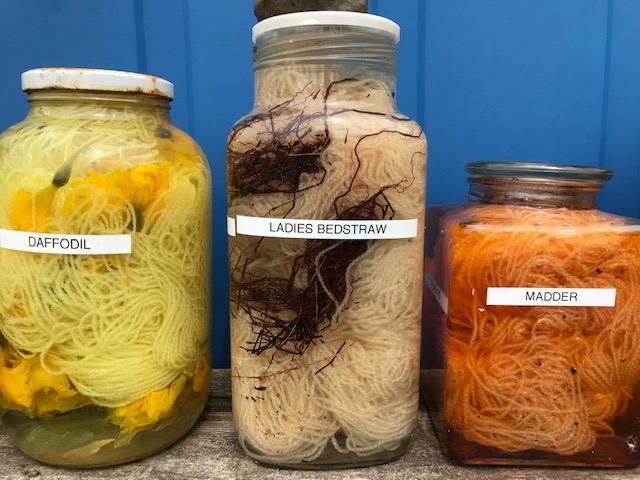
Ardalanish uses natural dyes from plants as well. It was fascinating to peruse the line up of examples displayed in old sweet and provision jars in the farm yard. They range from woad for a full range of blues, madder root for shades of red and onions for yellows. Soakings of seaweed, daffodil and ladies bedstraw were also on display.

The spell was too great to resist. After trying on and sampling we bought a flat cap and scarf each, then sat out in the yard on a bench, backs to the wall, eating the shop’s very tasty home made bridies (pasties) and taking in the wonderful views. The farm has open trails over its land so we followed the obvious one down through the prize acreage of flat meadow grazed by the cattle, over the machair grassed dunes and down onto the huge sweep of shell sand, defined at the edges by impressive outcrops of ancient rock formations.

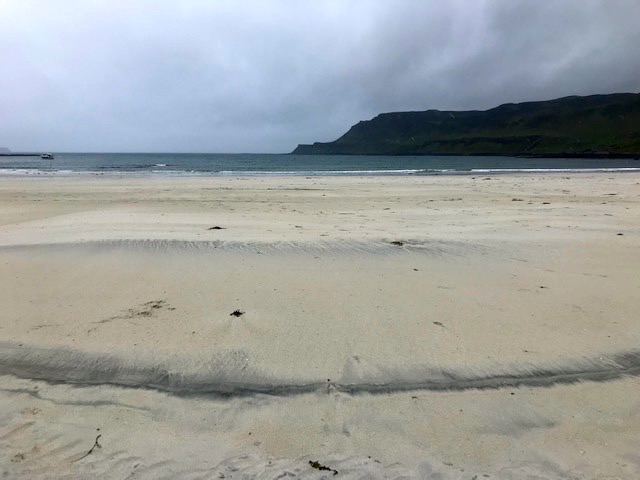
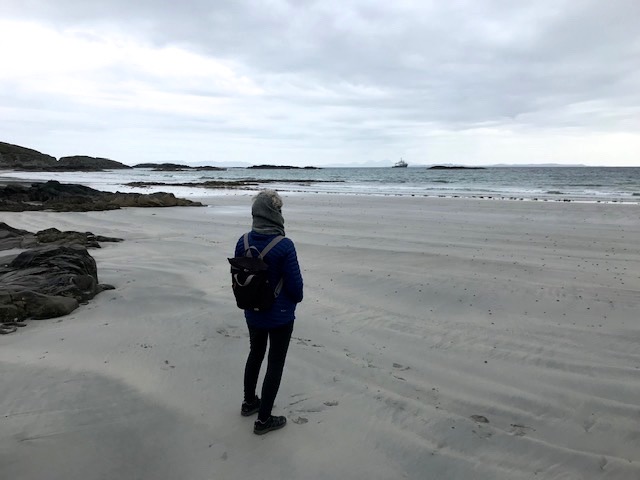
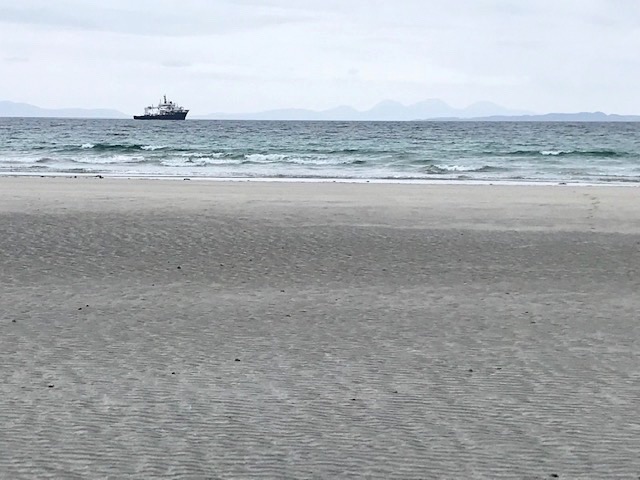
Out at sea a ship rode at anchor. Later told it was a maintenance vessel for the official authorities range of maritime fixtures, from lights to buoys. We strolled along the deserted strand, a clean smart breeze in our faces, with hardly a soul in sight, pausing to take in a fine view south of the Paps of Jura. It reminded us that the last time we’d gazed southwards towards those island mountains was on our honeymoon, from the isle of Colonsay, two summers since.

Iona

There can be few such small islands (all of 1 mile wide x 3 miles long) that pack so much variety into such a small space and have such a rich spiritual inheritance as Iona. Leaving the car behind at Fionnaphort after an hour’s drive across the Ross of Mull on single track roads was a welcome moment. Only the few hundred residents and essential delivery services are allowed to bring their vehicles over.

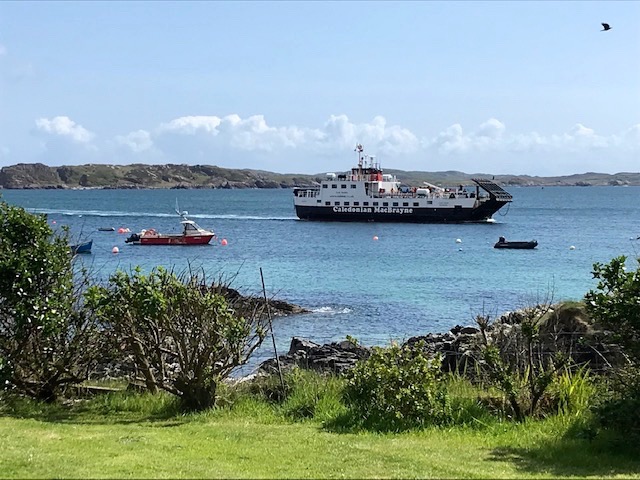
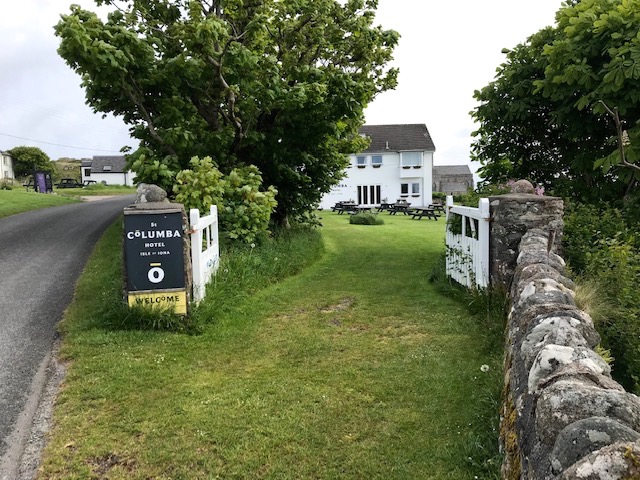
It’s a brief ferry journey over the Sound to the Isle’s township of Baile Mor. We were greeted on landing by old friends who retired to live here permanently eight years ago. Not wanting to impose ourselves on them we’d booked a room at one of the two island hotels. A real bonus though in being hosted for excursions or supper at home, getting the inside stories while watching the world go by from the front garden of their home overlooking the sea. We also enjoyed conversations with fellow guests at the St Columba hotel. Many were North Americans on the ancestry trail, combining that with a visit to the iconic medieval abbey, adjacent museum and Augustinian nunnery founded by Ranald, Lord of the Isles, around 1200.

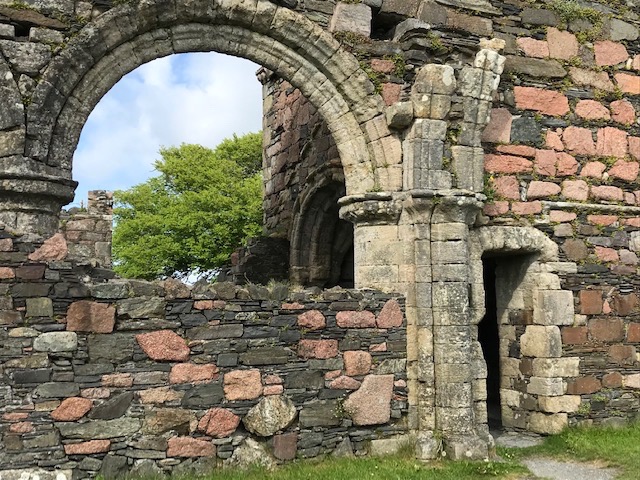
The latter was my favourite building, remarkably well preserved considering its disuse since the reformation, with an atmosphere all of its own. One roofless space leads on to another, from the former church into remains of cloisters, refectory and chapter house with stone benches around the walls. This all helps to create a lingering sense of the stern religious life led here by these aristocratic women and the female pilgrims they hosted.

Founded in AD 563 by Irish monks led by St Columba the abbey quickly established itself as the centre of Christian learning and practice in Scotland and, through the saint’s successors, went on into Northumbria at Lindisfarne and beyond. The tradition of pilgrimage to the island following Columba’s death in AD 597 saw many Scottish kings and nobles buried in the abbey’s precepts. In more recent times the late Labour Leader John Smith (1938-1994) was interred in the extension to the graveyard.

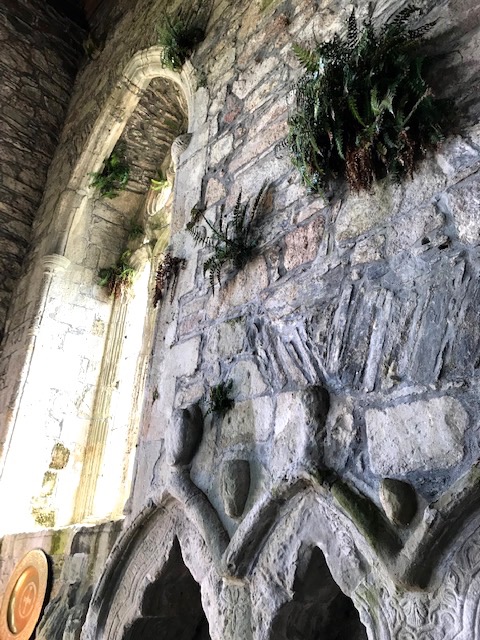
The Abbey’s impressive interior exudes a simple unadorned solemnity, lit and lifted by reflected sea light, original gothic segments merged with rebuilt fabric, intricate detail filling resonant spaces. Water ingress has been a major problem in recent times and repair work is continuing. We were fascinated by the damp loving ferns growing profusely from the mortar between blocks of wall stone.

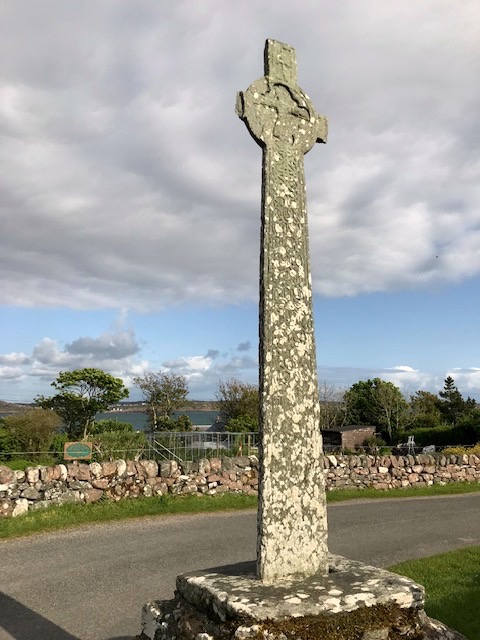
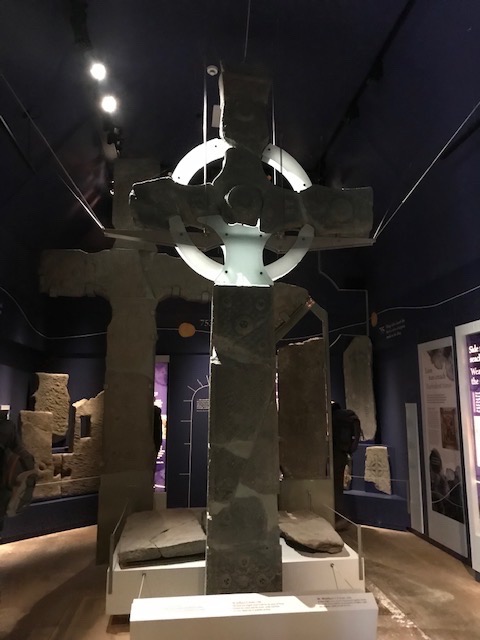
There’s an original medieval wayside marker en route to the abbey (Maclean’s Cross) and another grander one (St Martin’s) by St Columba’s shrine at the Abbey’s main entrance. One of the very few places in the country where such  devotional monuments can still be seen in situ. The pilgrims paved path on which the series of guiding high crosses were situated, dates from the 700’s and is known as ‘The Street of the Dead’.

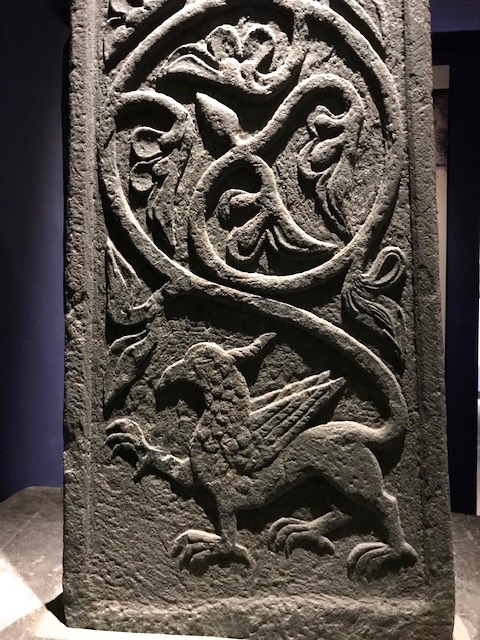
The Abbey Museum has a fantastic collection of ancient stone crosses and gravestone markers, cleverly lit and displayed for maximum visual impact. These effigies of warlords and clan chiefs carved in stone are powerful reminders of their status in life and need to be suitably presentable in death. Interesting too that nearly all monuments were carved elsewhere then transported by boat.

The abbey was restored in the early 20th Century by the devout 8th Duke of Argyll, Iona’s owner, who was later buried here with his wife in a side chapel. More major work was undertaken in the 1930s by members of what became known as the Iona Community, led by Rev. George MacLeod, a charismatic Glasgow cleric.

The arts & crafts style influenced cloisters and some of the interior rebuild dates from then. Since 1980 much of the island has been in the care of the National Trust for Scotland while the heritage religious structures fall under the auspices of Historic Scotland.

The local community founded and runs a heritage centre and café in the old schoolhouse. (The modern primary school is nearby) It’s a place echoing to the sound track of a rookery in the lush sheltered woods behind and ewes with their bleating lambs on the glebe meadow in front.

Our friends love the life here and are active in community affairs, despite some mobility issues. Fund raising for a new all purpose community centre, helping run the folk museum and organising or supporting a whole range of social activities. Housing is a big issue on all the Western Isles. Not enough of it and the extra costs of materials, transport and accommodation for builders all add greatly to costs. Yet the demand remains great. A small old house overlooking the quayside recently sold for £1 million.

Thrilled to catch the unmistakable call of the corncrake. This rare farmland bird – a member of the rail family and related to coots and moorhens – was once widespread and survives here thanks to the island’s low impact traditional farming practice which allows them to nest on the ground in peace.. Although we heard their trademark harsh rachet of a song we never once saw them. The birds had flown in from Mozambique the month before for their summer holiday, secreting themselves away in reedbeds, clumps of flag iris (a surprisingly profuse grower here) and other vegetation. Another African migrant and threatened species we did manage to see as well as hear was the cuckoo.

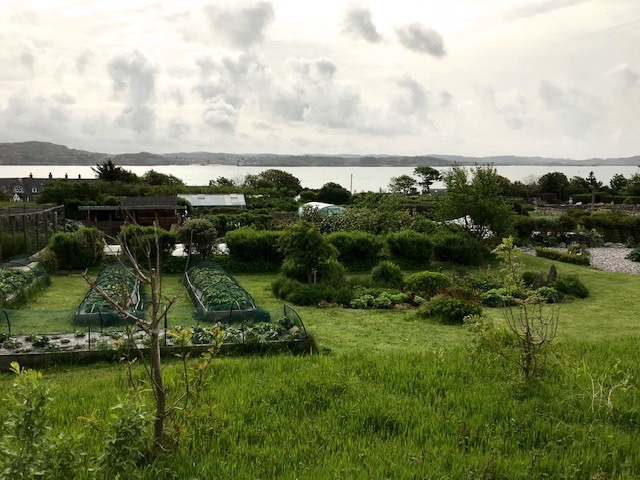
The Columba is run by a partnership of business people who are members of the Iona Community and a good portion of their bookings revolve around the needs of retreats and pilgrims, hence the quiet ease and comfort. Every room has a radio but no TV. Situated next to the Abbey grounds, it has no car park but runs an electric minibus pick up service to and from the quay. The entry to reception is via a grass track through the grounds with lovely panoramic views over the sound. The Argyll and the Columba hotels share extensive and well managed organic vegetable gardens open to the public to supply their respective kitchens.

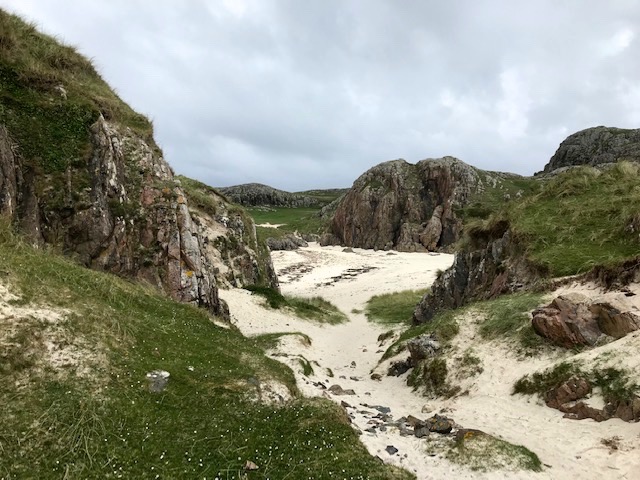
Our friends arranged a walk over the hill to the wild coast facing the Atlantic, appropriately called ‘Bay at the Back of the Ocean’. On the way there we passed a lot of returning walkers. We’d earlier seen these passengers from a cruise ship, moored to the north, near the island of Staffa, arrive at the pier in batches. They were ferried in at high speed on ribs and we joked that these particular immigrants in small boats would be welcomed ashore as they had money to spend and didn’t intend staying longer than a few hours. More seriously we were informed that some cruise ships in the Hebrides have a greater population of passengers than Mull itself (3,000) and dealing with that kind of mass tourism is a major challenge to island communities not just here but the world over.

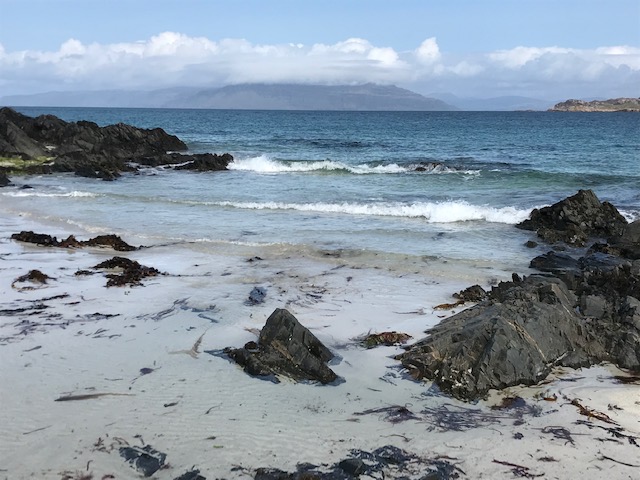
No inhabited Scottish island of any importance fails to boast a golf course and Iona is no exception. The windswept green gives way to more protected areas of rare machair grassland (sandy soil traditionally grazed by low levels of stock) currently awash with daisies and other tiny flowers. That in turn leads to wide white beaches of tiny pieces of crushed shell between dark rocky promontories.

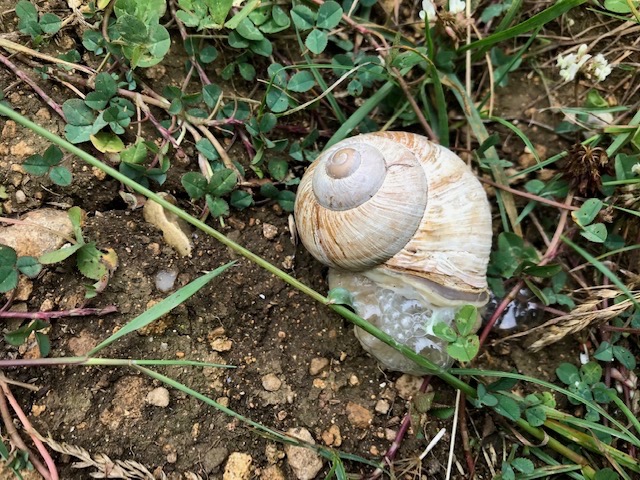
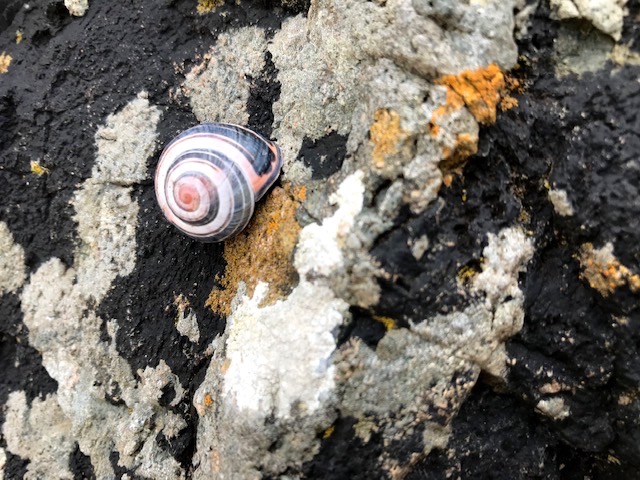
Delighted to discover that Iona is a place where snails go on holiday. Abandoning their normal mud coloured shells for beach ready shades of blue and white that are more appropriate to this environment. And of course those shells will eventually contribute to the wonderful beach’s long term sustainability along with all the crustaceans.

Although only on Iona for a few days we already know we’ll be back to experience more of what this remarkable island has to offer.

Streatham

This is the third and final blog about recent rambles around the south London suburbs of Forest Hill (Borough of Lewisham), Dulwich (Borough of Southwark) and Streatham (Borough of Lambeth), discovering how remnants of the former working landscape between Croydon and the Thames, known as the Great North Wood, have been redefined and restored within the public domain as sustainable green spaces, all of them less than seven miles from the centre of London. My memories of Streatham are of tedious car journeys along a relentless commercial highway, relieved by a visual breakout by parkland before bricks and mortar closed in again. This time a whole new vision of the place opened up when we visited that patch of green glimpsed decades ago, which I now know to be Streatham Common.

Streatham means the hamlet on the street. That high road – the A23 – has never been anything else but constantly busy since the time of the Romans when it linked their southern coast settlements with Londinium. Today, after some 300 years of enclosure and intense development just 66 acres (27 Hectares) remain. Although no longer used to graze stock and horses or provide fuel, the common is still highly valued by its contemporary commoners, albeit for different reasons. Protected by act of parliament the place was designated as a local nature reserve (LNR) in 2013. As an urban green lung it combines all the things you might expect of a park – refreshments, toilets, paddling pool, playground etc. – with countryside landscape features of meadow, woods and rides, stream and orchard, plus great views over a wide sweep of south London.

Tucked away within the leafy summit of the common are the historic Rookery Gardens. Their origin lies in the mid C17th discovery and subsequent development of mineral springs on this part of the common. Wealthy Londoners flocked to fashionable Streatham Spa to drink or bathe in the waters to help cure or alleviate their various ailments. By the 1780’s formal gardens and parkland had been laid out around the wells and a large house known as ‘The Rookery’ built.

By 1912 Streatham had developed its suburban infrastructure and the private gardens were under threat of housing development so local residents led a campaign to raise the money to buy it themselves. In association with the then London County Council, the mansion was demolished and its site landscaped. The Rookery’s gardens were restored and extended to include existing woodlands. The five acre site opened to the public in July 1913.

We entered the gardens by the cheerful bustling café on the common where we later enjoyed a great outdoor lunch. Grasslands and formal terrace at the top of the slope yield wide ranging views south while wide railed steps lead down past a magnificent Cedar of Lebanon to the formal gardens and woodlands below.

The old English garden with its traditional cottage style planting in geometric beds separated by stone flagged pathways and trellises was originally part of the walled kitchen garden supplying the big house. That gives way to a sheltered wide avenue with broad beds, the white garden, named for its floral displays, leading to a rock garden where the stables once stood. I particularly liked the dell outside the formal part that features a recently planted orchard and fenced off mature deciduous woodlands with lush undergrowth, through which a narrow stream runs.

In the English country garden is the original location of the mineral well shaft and a modern cover has been added. Above that a series of smaller garden rooms have interconnected ponds, replete with lillies and water hawthorn, teeming now with scores of newts and thousands of tadpoles. Toddlers and grown ups were thrilled at the sight of life in the waters. Later, as the humans moved off, a canny rook flew in and positioned itself in the shallows to effectively scoop up scores of the little wrigglers in its snapping beak.

My cousin, our weekend host, had never heard of the Rookery Gardens before so for me to introduce her to it was an extra pleasure. It’s an enchanting, in many ways surprising spot, neatly combining the formal with the informal and clearly much loved by the dedicated band of community volunteers, supported by borough of Lambeth rangers, who have invested in and maintained this wonderful community asset for all to enjoy.  

Dulwich

Where we were staying in Forest Hill was one of 2,000 built in a joint operation between the Dulwich estate and the volume house builder Wates between 1957 and 1969. The high spec architectural design and green setting applied to all the homes constructed at this time around the 1,500 acre estate. My cousin’s home was one of many linked terraces built on the site of five large Victorian villas. Subsequently many of the trees surrounding the enclave are of some vintage. Copper beeches, pines, sycamores and ash make for a dense green curtain at the end of back gardens, blocking out traffic noise and pollution but depriving them of full sunlight and harbouring the usual urban garden menaces, from feral pigeons to grey squirrels. Something I’d not clocked before were the bags at the bottom of recently planted trees. Closer examination revealed them to be self regulating reservoirs supplying water to sustain them at this crucial stage.

Dulwich was once a landscape of farms, woodland and commons, part of the Great North Wood, the property of the Bermondsey priory in the middle ages. The name for the settlement, dating back to Saxon times, means ‘Dill Farm’. The Dulwich Estate traces its history back to 1605 when the great actor and wealthy businessman Edward Alleyn (1566-1626) bought the manor for £5,000 from its post Reformation owner, going on on to found and oversee the charitable trust that bears his name, endowing a school, almshouses and chapel. Alleyn and his father-in-law and business partner Philip Henslowe were the greatest entertainment impresario of the age running both the Rose Theatre at Bankside and the Fortune on Finsbury Fields. Their individual account books provide an invaluable insight into the workings of Elizabethan and Jacobean theatre. Alleyn was also ‘Master of the king’s games of bears, bulls and dogs’ while as an actor he performed the title roles in the premieres of Marlowe’s plays Tamburlaine the Great, Doctor Faustus & The Jew of Malta.

The alms houses and chapel (where Alleyn is buried) still stand and across the road from them are the grand gates giving entrance to another part of the estate inheritance – Dulwich Park. Originally five fields of farmed meadowland, it became a public park in 1890. I loved seeing the lines of ancient oaks – original boundary features of vanished hedges and lanes – standing broad and elegant in the Victorian setting of walkways and shelters. Later we watched the ever pushy pigeons hustling for food where folk were feeding the goldeneye ducks, moorhens and coots on the boardwalk through the central lake by the densely wooded island retreat where the birds can nest.

Another delightful corner of Dulwich village is the new orchard and wildflower meadow on the former playground of the old grammar school. It was established on its three quarters of an acre site in 2019 to celebrate the 400th anniversary of Alleyn’s charitable foundation and is very much part of the re-greening agenda that the estate promotes across its operation. Other pocket orchards are planned in years to come. The estate also lets out some 40 acres of allotments as well as a dozen playing fields for public use.

The Mill Pond image c. Colin Wing (2019)

I was curious to note as we drove by it, the former millpond in front of Dulwich College, now totally surrounded by trees and shrubs and whose surface is completely carpeted with pond weed. It looked very different when painted by Camille Pissarro in 1871. In an age where the horse was the base unit of transport numerous roadside places for them to drink would have been commonplace. As every pond wants to commit suicide when left to its own devices (i.e. it silts up and fills) I wondered whether letting re-wilding run its course in our time might be counterproductive to maintaining a healthy water ecosystem. I also suspect that any public body clearing vegetation of any kind automatically risks protest and disapproval by the public. Even if that were not the case, easier public access would automatically increase the likelihood of someone drowning and all that implies for insurance, signage and prevention. Who knows, fifty years hence it might well be a mill and pond again, generating clean renewable energy!

Forest Hill

Living as we do in England’s least populated county it’s always something special to get on the train and immerse ourselves in the cut and thrust of London’s city life. Our most recent visit was last weekend, to catch up with family living there, which fell into different phases for this blog. Here’s the first post, about our walks around Forest Hill.

Once upon a time a large chunk of what is now south London, stretching from Croydon to Camberwell, was known as the Great North Wood. Its extent in medieval times was some 20 square miles (52 sq. km), consisting of ancient woods, wooded commons and villages. At its productive peak (up to the early C 19th) these Surrey hills were at the centre of a thriving economy which provided charcoal to fuel the capital’s ovens and forges, timber for its houses and Royal shipyards at Deptford and oak bark for the extensive tanning industry centred in Bermondsey. The Industrial revolution replaced charcoal with coal and with the capital’s population boom, enclosure acts and the coming of the railways the Great North Wood began to fragment and disappear, giving way to a sprawl of suburban villas, roads and shops.

The Avenue, Sydenham by Camille Pissarro 1871

The memory of places live on in names like Norwood (‘north wood’) Forest Hill, and Penge (‘edge of wood’). What’s left – in the form of woods, commons, gardens and parks – is now better protected and looked after than ever before; an invaluable recreational facility and interconnected series of nature reserves.

In Forest Hill we went walk about guided by my cousin, who has lived here for the last 40 years. We strolled through a patchwork of restored meadows, under old specimen trees and by high hawthorn field hedges, all combining to screen and subdue the sound of heavy traffic on the South Circular Road, AKA the A205, streaming by outside the building and grounds that dominate the hill top ridge here – the Horniman Museum and Gardens.

One of the newly enriched professionals who made healthy heights of Forest Hill their new home in the late Victorian era was the Quaker Tea Merchant Frederick Horniman.

An extensive world traveller, attending to the expanding family business (est.1826), he had amassed a huge collection of natural history, cultural artefacts and musical instruments. They initially went on display in the family home but the collection eventually got too big to accommodate so the indefatigable philanthropist commissioned the daringly modern arts & crafts style institution to house it that bears his name. The building opened free of charge to the public in 1901. The 15 acres of gardens and grounds opened earlier, in 1895, the same year that Frederick became a Liberal MP. Lots of additions and changes since to both house and grounds to reflect society’s expectations and last year the Horniman won the prestigious Arts Fund museum of the year award.

‘Second Hand Sunday’ is an outdoor market held in the grounds and gardens, which also boasts new hedging by the main road, medicinal garden, butterfly house, dry gardens, bandstand etc. After sampling what was on offer and enjoying the impressive view over the massed high rise towers of central London we ambled down the steep park slopes, past dog walkers, children playing and picnickers to the tree lined edge and nature reserve on its northern boundary.

Linear Nature Reserve & Horniman Gardens Beyond

The Horniman nature trail is the oldest in London and was originally a section of the Crystal Palace and South London Railway, AKA ‘The High Line’, which opened in 1865 and closed in 1954. After closure this half a mile stretch was left unmanaged and reverted to woodland and scrub. Dividing Horniman parkland from terraced housing, it has been managed as a nature reserve since 1972 and the linear site features a pond, log piles and wild flower meadow. Visitors can discover, at different seasons, gatekeeper butterflies, common toadflax, jays and many members of the tit family.

The painting of Lordship Lane station by Camille Pissarro gives a sense of the railway back in 1871. The great French impressionist painter lived nearby at Crystal Palace then with his family, in self imposed exile, during the Franco Prussian War.

Sydenham Hill Wood

The High Line, further on its course to the tunnel that emerged at Crystal Palace, split the remaining remnants of the Great North Wood even more. Now that the old line is a public footpath, Sydenham Hill and Dulwich woods have been re-united as one entity (and largest extant section of the GNW). It’s custodian is the London Wildlife Trust, which has combined forces with other public bodies and charities to take advantage of government grants and allowances to conserve nature and promote public engagement while also restoring and creating new habitats to make a living landscape relevant to the needs of both people and wildlife. Very impressive it is too and shows what can be done when the collective will is there.

Cox’s Walk

We discovered the unobtrusive entrance to Cox’s Walk, an unpaved track parallel to the old railway path, dating from the early C18th, and marvelled at the newly emerged greenness of the dappled canopy above and dense undisturbed undergrowth below. Tall metal railings painted black either side of the steep narrow path have clearly played a part in that. Designed no doubt to guard against illegal tipping and ingress from people and dogs, thus shielding the site for natural renewal.

Flats and Woodland

We left Cox’s Walk at a junction to follow a desire path that emerged out of the wood, onto open lawns round blocks of council flats, to cross a busy road and into the quiet residential close where we were staying.

Footnote: Frederick & Rebekah Horniman’s oldest child Annie (1860-1937) was a leading figure in the development of modern British Theatre. One of the first women to graduate from the Slade School of Art, she used her considerable inheritance to work with WB Yeats and GB Shaw to co-found and produce for the Abbey Theatre Dublin between 1904 – 1910. She then funded the building and development of The Gaiety in Manchester, the first theatre to be run as a repertory. That Frank Matcham designed building became the base for premiering realistic dramas of working class life by locally based playwrights like Harold Brighouse & Stanley Houghton. The Abbey went on to become Ireland’s National Theatre while the Gaiety was demolished in 1959 to make way for an office block.

Mule Blossom Cafe

…where my blossom’d pear-tree in the hedge
Leans to the field and scatters on the clover
Blossoms and dewdrops—at the bent spray’s edge…

From Home Thoughts From Abroad / Browning

Took a break from gardening the other day when a strange sight on the road caught my eye. A woman leading what I thought was a donkey, but was in fact a mule. The young woman was called Zoe and the mule Falco. I wasn’t the only person to being drawn by this eye catching sight. A big man in a land cruiser hauling a horse box pulled up while we were talking to offer them a place to stay that night.

I walked with them awhile and discovered that the pair were doing the return leg of a fundraiser for a campaign called ‘Walk for Earth’ to support a proposed international law to protect the Earth from ecocide (“killing the environment”) If passed, this law would protect ecosystems anywhere in the world from large scale damage or destruction. It would be a steer for business, industry and government funding away from what destroys the living world, and towards what restores and protects it. More about it here: https://walkforearth.co.uk

The pair had walked from Oxford to Loch Lomond and were now on the return leg of their journey, a combined distance of some 1,000 miles. I made a very modest contribution and am pleased to see at the time of writing that Zoe has exceeded her target of £12,800. I think the distinctive and inspiring duo must have made a lot of friends on the way. Two primary schools for instance had hosted them for a talk and hand loom weavers were working on a tapestry.

Fruit blossom time is upon us at last. First the free standing damson (above) by the kitchen garden, then the oh-so-pretty pear in a tub out front and finally the cordoned James Grieve apple on the sheltered south wall of the house.

I continue to make small changes to the ponds I love so much. Have purloined some wild watercress from a neighbour’s spring where it grows in profusion. Not that we’d ever eat it – the danger of ingesting liver fluke or other nasties is too great – but it will, when confined to a pot parked in the margins, make for great cover in the new pond.

The frogs who call the old pond home always amuse me. One day, I caught four full grown ones all of a cuddle in a dark cave like pocket under an edge stone. They quickly dive back into the water when the stone is lifted and they’re exposed, and who can blame them.

Our brilliant builder is back to do a last little job, the one that gives all of us the greatest pleasure…re-roofing the old playhouse AKA ‘The Playhouse Café’. We’ve recycled the old Coraline (tar coated) sheets that were on the garage/workshop roof. They should extend the working life of an institution much loved by all the youngest visitors to the Corner House down the years.

Animal Happenings

The new pond has already attracted newts, which is what I was hoping. Have also spotted a frog. Marginal plants I’ve set there include water avens, ragged robin and watercress. The floating leaves of watercress are a particular favourite for female newts to wrap their eggs in for protection from predators and this plant has attracted their attention as a hide out too. I’ve seen a pregnant newt on one occasion and what I took to be a male close by. As in previous years, in the original pond, they appear to be palmate as opposed to smooth newts. Palmate males have webbed back feet and the species prefer ponds in more acidic soils, like ours here in the hills.

Had a treat yesterday when we saw through the kitchen window a long tailed field mouse (wood mouse) inside the bird feeder feasting on the fat balls I’d put there earlier. Interestingly when both a sparrow and a blue tit turned up to feed. Interestingly both birds kept their distance and didn’t want to go anywhere near the interloper. I stepped outside to try and getting closer for a photograph but its keen hearing had it flee before I got anywhere near. You can see from the picture that a skilled climber like this mouse can easily navigate the boughs of a lilac tree I’ve since moved the feeder to a higher, more slender branch which should put it beyond the rodent’s reach.

We had a fabulous treat last night on hearing a snuffle and a shuffle. By the lean to on the yard side of the house there was…a hedgehog! It’s the first time we’ve seen one this year, although their distinctive dark twisted droppings have been found elsewhere in the garden. Over the years I’ve made our patch as hedgehog friendly as possible. In previous years a hedgehog has hibernated in lodgings provided deep in the largest of our garden copses, but this past winter sadly there was no taker.  Hopefully this visitor will stick around and we’ll have more chances to observe its nocturnal behaviour. With hedgehog numbers in the UK still in serious decline we’re conscious of the biggest threat our animal faces, death on the road outside. Not that it’s a busy carriageway, quite the contrary, it’s a typical twisting country lane, but people tend to drive fast and hedgehogs have no road sense. Curling up into a ball on the highway usually proves fatal.

It was a shock encounter with a hare on another lane last week that reminded me just how vulnerable so many mammals are to being killed or injured when crossing roadways. In this case it was too late to break or swerve when an animal suddenly broke cover in front of the vehicle I was driving en route to see friends. We felt a bump but saw no body. Hopefully the hare was just shocked or injured and able to move off with hope of recovery. The incident was upsetting and prompted me to help make amends in the best possible way I could by joining the Hare Preservation Trust. It’s a voluntary run charity and membership costs £15 p.a. http://hare-preservation-trust.com/

Every garden should have at least one compost bin. We’ve expanded over the years to three in number. One of them currently has a resident in the shape of a field vole. These little rodents are the most abundant of mammals in Britain and are key to the food chain. They don’t hibernate but do moult. The tails of the field vole are shorter than those of bank voles and both species are a lot smaller than their cousins, the endangered water voles. Our vole (who I speak softly to every time I deposit another load of peelings, apple cores, crumpled paper bags etc) has got used to my appearances and does not immediately disappear or burrow out of sight, but holds still and watches me. In the last week or so she’s been weaving her nest of dark stalks in amongst the offerings. Slowly it rises as the little creature readjusts levels under the cover of a square of covering carpet, below the box’s top.  

Forest Heights

An Easter Sunday ramble of just two miles feels a lot more when half of it’s in forest and you have to divert round fallen trees. All well worth it though for the interesting sidelines and fine views provided at journey’s end. Falstone is a small village at the head of the north Tyne River where it leaves Kielder Water, the huge reservoir created in the 1970’s surrounded by some 153,000 acres (62,000 hectares) of commercial forestry, making Kielder the largest man-made forest in Europe.

We started this circular stroll from the village through an archway onto fields. This archway is a railway bridge, an architectural remnant of the old Border Counties Railway (1866-1958) I’ve written about previously, which was once a vital lifeline ferrying all manner of goods and passengers.

Leaving the lane we made a staggered ascent of the Falstone burn’s narrow valley, threading through a mix of conifers, with small waterfalls gracing its sharp descent through sandstone dense with moss and scattered with pinecones, brash and peeled bark. Even here in the gloom there were echoes of the land’s former moorland setting – straggly fronds of heather either side of the path.

Pines and spruce suddenly gave way to birch woods. Lots of ground hugging hard fern, an indicator of ancient woodlands, growing in profusion here. Coffee coloured bracket fungus (birch polypore) on some of the older trees in process of decay. A common country name for it was ‘razorstrop fungus’ as the rubbery leathery surface was used to sharpen cutthroat razors and other bladed tools!

Having gained the heights further progress was halted by a slew of tree trunks across the bridleway. Yet another reminder of the damage wrecked by Storm Arwen eighteen months since. So extensive the damage done then and so vast the forest rights of way like this have still not been cleared and not likely to be so for a while yet.

Undaunted we carefully zig-zagged a course down the valley side to cross the little stream and various drainage dykes to pick up the level line of what we took to be the track on the other side. Dense spongy moss giving way underfoot, with clambering over fallen boughs, we eventually made it. Relieved to come across no more obstacles as track transformed to stone bedded access road, following the contours of forested Hollows hill.

Primroses breaking through the wraithes of dead winter foliage on one side, curiously patterns of multi-coloured lichens on stones the other side, in one place embraced in the spreading arms of Juniper. All along the stony verge tiny sitka spruce and larch lined the way, like dandelions would along a lowland lane side.

Finally the mass of trees clear enough to reveal the dam and a glimpse of water beyond. The statistics are impressive. Kielder Water is 7miles long, some 158 feet deep and holds 444,000 million gallons of water. The North Tyne shines brightly in otherwise dull overcast sky as it escapes to run away eastward.

Dropping downhill on a bridleway from one forestry road to another we come upon a melancholy site. The remains of Hawkhope farm, perched high here on the fell overlooking Falstone, now shot through with self sown trees.

A tragic act surely to allow a large traditional farmhouse, cottage, stable, byre and hayshed to be wiped off the map at some point following the Forestry Commission’s purchase of the property and its land in the mid 20th Century.

A long lost gateway, mossed over rocks on flat foundational bedrock and some brick steps are all that remain to hint of it ever existing. The stunning view the place and its inhabitants once enjoyed does though remain for anyone else to still enjoy today.

Back in the village we amble through the churchyard of St Peter, the third church dedicated on the site, dating from 1892. The first was in the early 18th Century and some fine table tombs and strongly graphic gravestones from that period grace the neatly tended graveyard. Bluebells line the south walkway, intermingling freely with the gravel pathway. A lamp adorns a simple gateway arch. The former traditional farm buildings next door are now very smart self- catering Air B&B apartments. If Hawkhope farm been spared demolition I suspect it may have eventually undergone a similar transformation.

Time for a refreshing pint and a packet of Seabrook’s crisps in ‘The Black Cock’, Falstone’s village pub named for the once common, now rare gamebird, the black grouse. Even at 3pm it’s a popular purveyor of generously portioned Sunday lunches. We make a mental note to come sample another Sunday before departing to enjoy a leisurely drive, following the beautiful river homewards.

The final leg of the journey has us pass one of our local burns where a tributary joins in a sequestered valley and I get a two second glimpse of a duck afloat on the waters which I can only describe as being compiled of the spare parts of all other ducks you can name. I’ve seen them before, at the London Wetland Centre with the grandchildren last spring. Research reminds me of their name, Mandarin ducks. Pairs mate for life so they’re seen as symbols of everlasting love. Introduced to England from the far east as an exotic eyecatcher on landed estates, they started to escape confinement in greater numbers by the mid 20th Century and have been slowly spreading across the UK ever since.