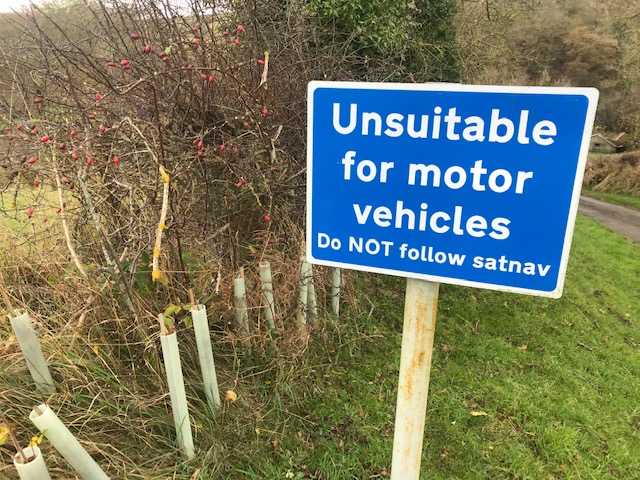
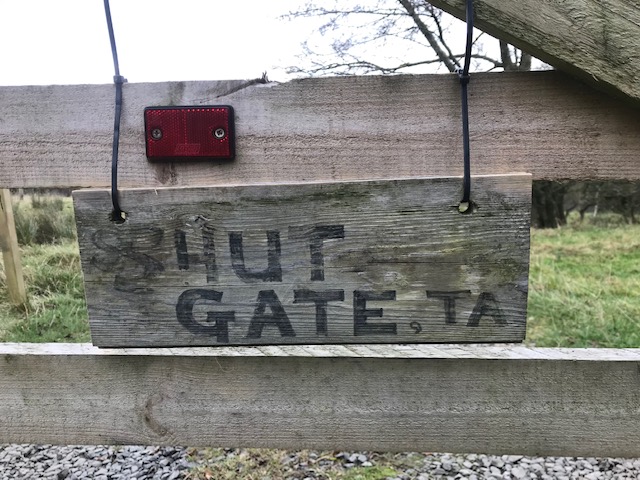
A few weeks back we retraced a short local walk. Signs en route warn the unwary and thank the thoughtful.
Highlights included a view along the side of a substantial former water mill which once ground barley oats and wheat for farms and businesses. The burn runs deep and fierce here in its narrow sandstone bed before meeting the big river a mile or so downstream.
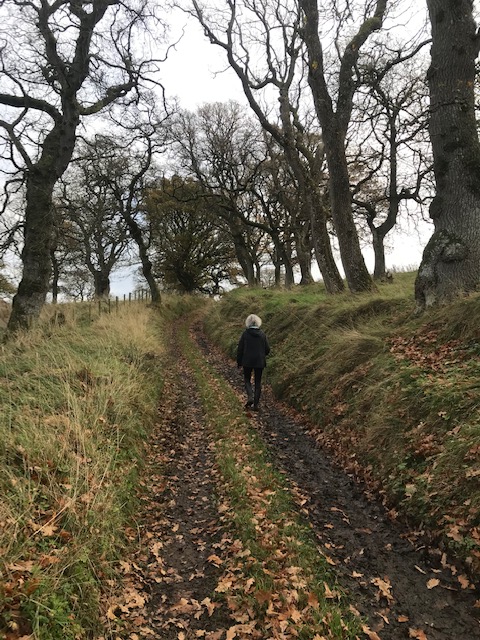
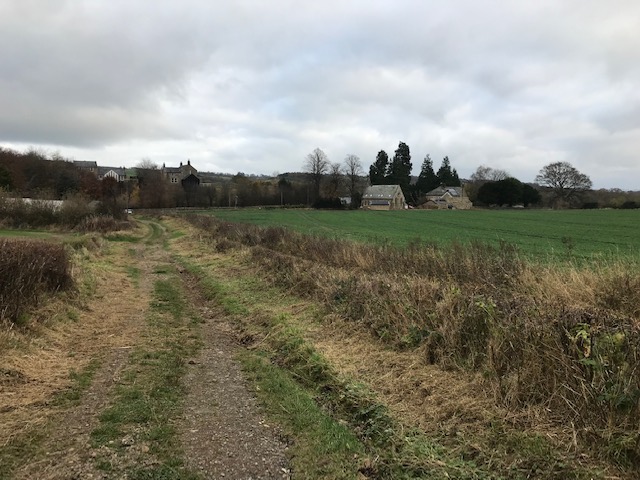
Pulling slowly up the opposite bank, we passed through stands of old oak by stretches of a sunken lane. Gained the metalled lane by a farmhouse, seemingly uninhabited, though the extensive outbuildings were in use. From here a footpath sign beckoned. The weather fair and with no recent rain we thought, why not? The map showed it to be a short cut to the village via a ford of the burn we’d recently crossed. We rose to the bait.
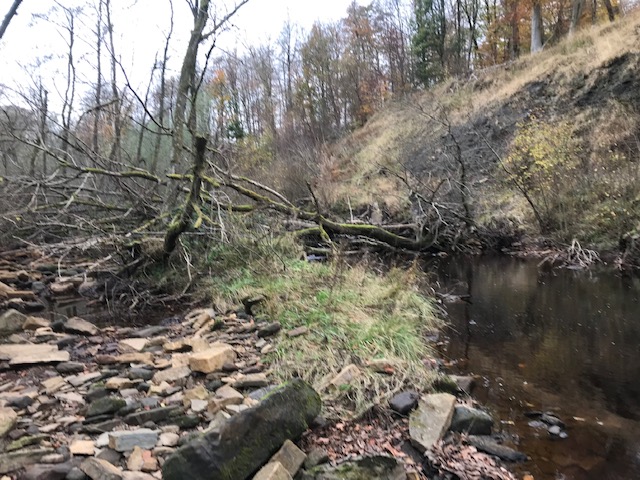
The broad field was easy enough to cross but the precipitous zig zagging stepped path through the raggedy wood proved hard to find and even harder to follow. Handholds of thin trunks and avoiding whipping branches. Eventually, having gained the wild valley bottom, we find what has to be the former ford in a river bed strewn with the evidence of flash floods and further erosion all around; boulders, trapped brash and ripped tree trunks.

Flat bedrock and strands of barbed wire to duck under. Took walking shoes off before wading over to dry off and reboot on the grassy bank. We wondered when the ford was ever used and by who. Was there ever a track? Easy walking up the field to a hillcrest to come into sight of the village and main valley once again. The most remarkable building in sight, at the settlement’s edge, might otherwise go unnoticed, until you read about it in the national press.
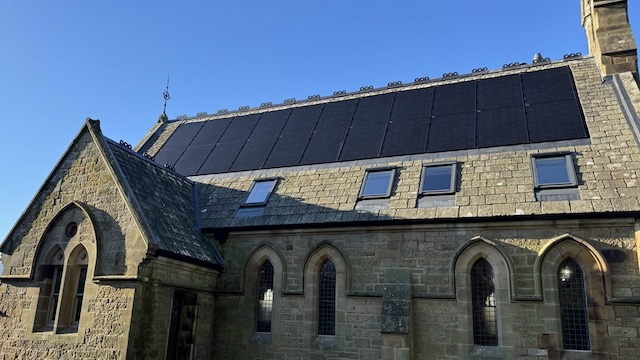
It’s the first church in the world to be certified to the international standard for energy efficient homes: – Passivhaus. The Victorian Congregational chapel, closed since 2019, has been converted by the couple who live in the former manse next door, using the services of one of our local builders, and is now available to rent for holidays. More at: www.warksburnoldchurch.com
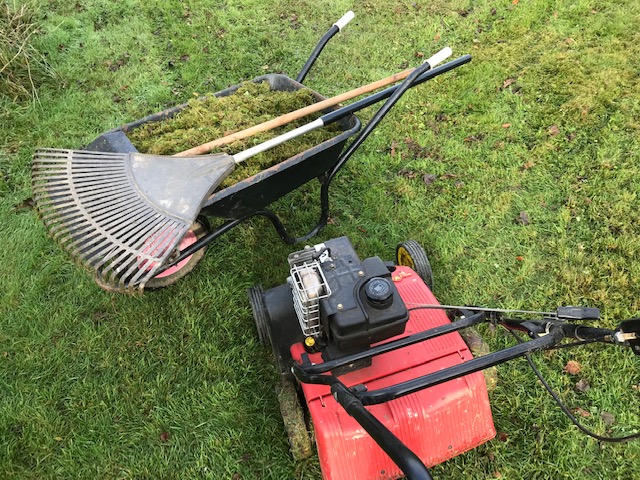
My last diary mentioned the hired scarifier. I not only did a thorough job on the grass but also alas on my poor aging body. A literal pain in the bum, or right buttock to be precise, whether nerve or muscle related I don’t really know. But oh dear I do know it hurts and is only now diminishing after some two weeks of acute discomfort and disturbed sleep. Trying not to overdo stuff, have gradually resumed daily exercises and in turn swept more leaves into the mould sack, turned compost in the bins and chipped willow wands. The latter we learn makes an excellent mulch for apple trees. Research is showing that the wonder substance present in willows – salic acid – acts as a natural protection against scab. We shall see in due course. This wet year saw an upsurge in the disease everywhere.
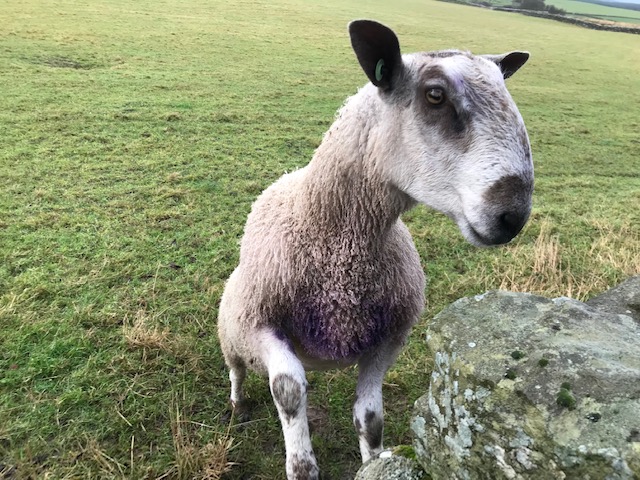
One of my regular perambulations takes me over the big permanent pasture field which borders our house (and gives it its name). Our neighbour currently has a flock of blackface ewes in there, all marked up. I’m followed home by a border Leicester tup. He’s perfectly fearless and very curious. I climb the style in the wall into our garden and he comes stepping up after, forelegs resting on the stones as I stroke his head and let him sniff my hand. I feel the cut stumps of horns once possessed and marvel at the bold bow nose and rectangular pupils. Thus acquainted he drops back down and goes off in search of another ewe to cover. The prodigy of these two breeds – the mule – is a popular flock choice for northern upland farmers. We’ll just be happy to see anything other than the ubiquitous Texel or Texel crosses which normally dominate the ovine scene.

 STEPHEN TOMLIN