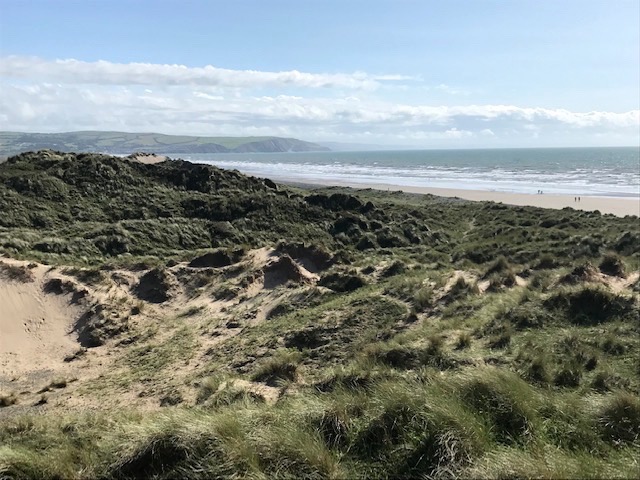
Borth is a village on the Welsh coast I’d never visited before so turning off the A487 on our recent holiday we drove on down there and found ourselves following signs to the Dyfi national nature reserve’s seasonal car park on the beach and from there headed off into the encircling dunes, stopping off briefly at the visitor centre, with its delightful mosaics.

Ynyslas sand dunes are the largest in Ceredigion and their lofty summits yield fantastic views over Cardigan Bay, from the seaside resort of Aberdovey on the estuary’s north bank down to the headlands masking Aberystwyth to the south.
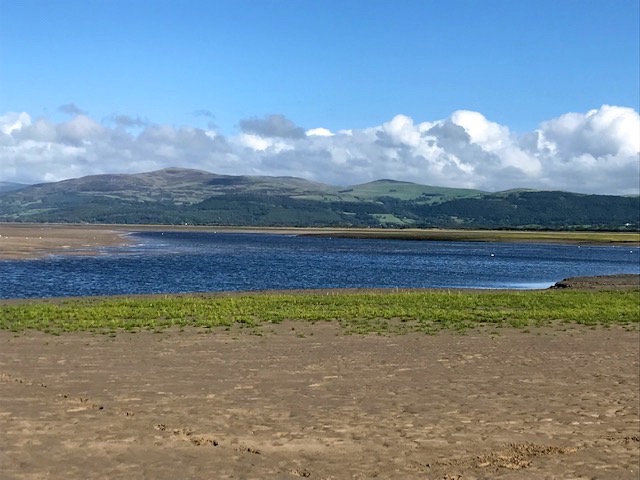
We could see the Dyfi winding gracefully to the sea, its sand banks giving way to the mudflats and reed beds of Cors Fochno, the largest esturine bog in Wales. The far view is framed by a chain of foothills to the Cambrian mountains. A gorgeous uplifting vista under a huge running sky. No wonder this special place enjoys a UNESCO designation. More at https://www.dyfibiosphere.wales/

We stuck to the boardwalk and marked paths but clearly kids have enjoyed hurtling down the steep sand hills to left and right of us where marram grass had not colonised. Ynyslas is home to a population of rare orchids, liverworts, mosses, fungi, insects and spiders who are hopefully not too disturbed by the peak summer presence of humans and dogs.
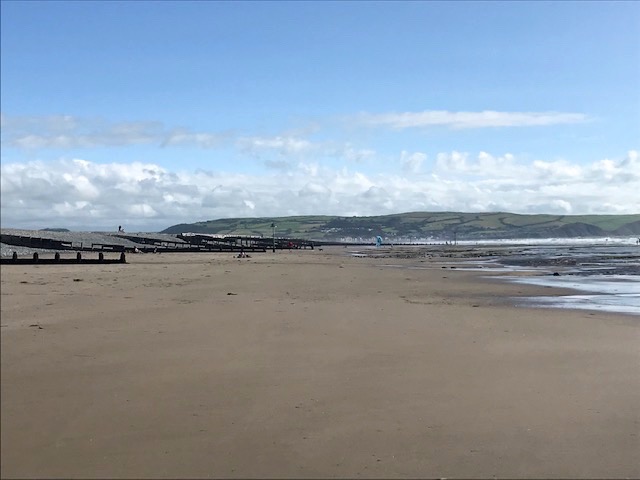
Loved the generous wide beach here at Borth that stretches for three miles. Quite a few families here enjoying the offer too, despite the stiff off shore breeze. As an enthusiastic but admittedly weak seaside swimmer I’m definitely in the child category for safe bathing so this shallow incline with decent waves would suit me nicely on a future summer visit. At extra low tides here it’s possible to see the exposed blackened stumps of pine, oak, birch and willow trees some 5,000 years old. Not surprisingly a submerged forest has many origin legends attached to it. It remains a mystery to us unless we return when conditions are right to catch a glimpse of their petrified forms.
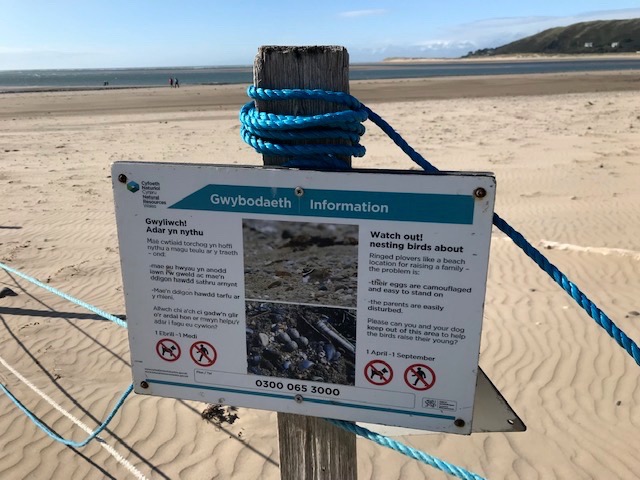
Our bracing circular stroll along the beach brought us back to the headland’s tip where sea and river currents merge. Every summer since 2017 this area has been roped off to help protect and preserve a colony of ringed plovers – one of the UK ‘Red List’ endangered birds.
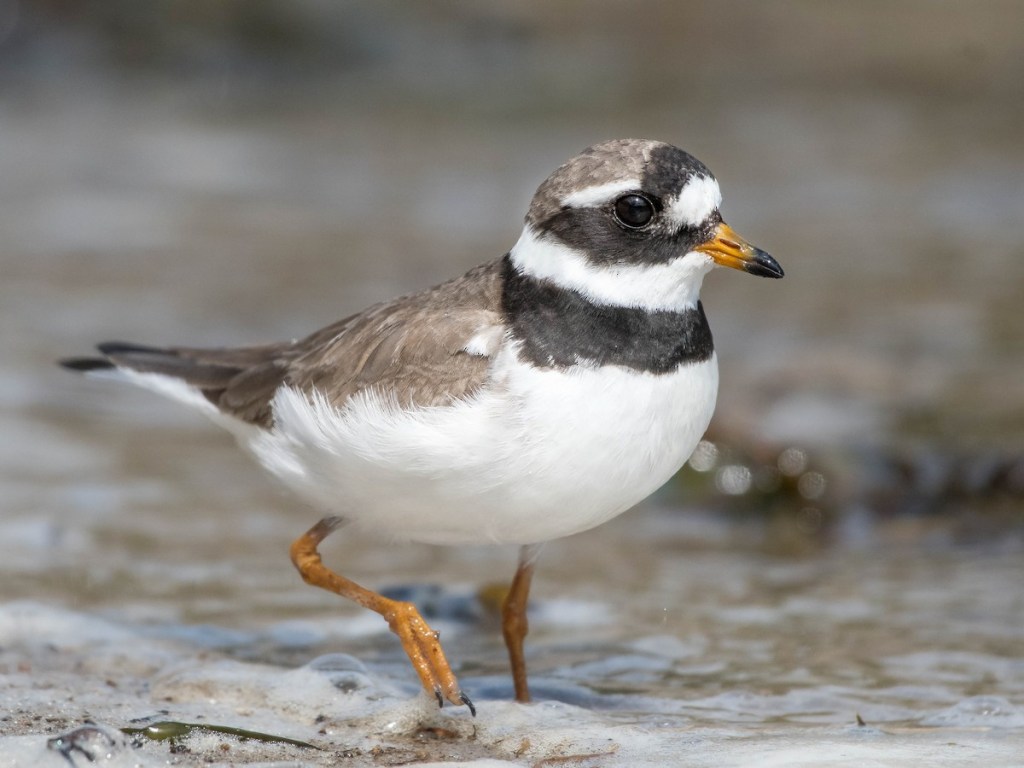
There are some 5,500 pairs of this native estuarine wader around the nation’s coasts and by inland reservoirs, where they are joined by overwintering flocks of visitors from Russia and Canada. Ringed plovers eggs are wonderfully camouflaged to fit in with the shale, sand or gravel habitats where they’re laid.
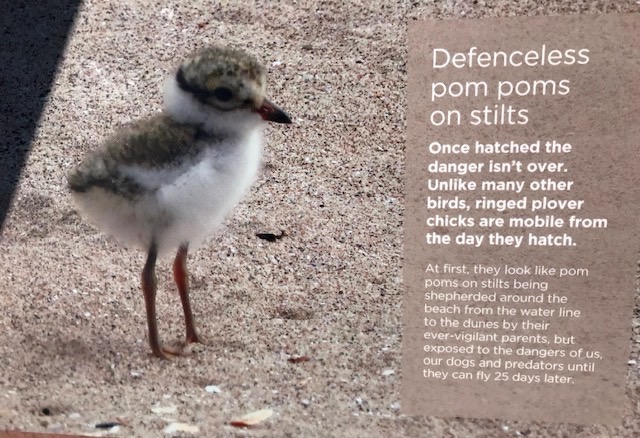
The parents hunt for crustaceans and invertebrates nearby, dashing backwards and forwards, using their feet to stimulate raindrops that bring prey to the surface. Ingress by humans and dogs during the breeding season, when the young chicks are particularly vulnerable, can devastate numbers and further imperil their survival. Glad to learn that the seasonal isolation of the headland by conservationists, supported through public co-operation, has resulted in a stabilised population of this bird.
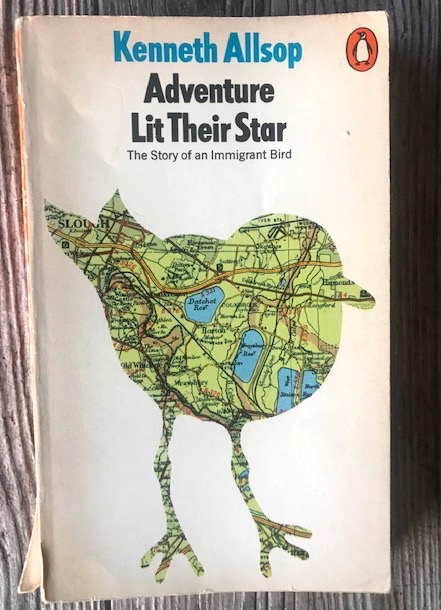
One of my favourite nature books is Adventure Lit Their Star by Kenneth Allsop. The tale is set in and around the heaths and flooded gravel pits in what is now part of Heathrow Airport, at the end of World War Two and its central characters are little ringed plovers. The smaller cousins of ringed plovers were first spotted breeding in the UK in 1938, seemingly attracted from across the channel by these industrial developments in outer London’s overlooked edgelands. The story is one of an unlikely alliance of bird lovers foiling a ruthless collector’s plan to steal the birds’ eggs. The scene setting initial chapters in themselves are, to my mind, miniature masterpieces of dramatic immersive writing.
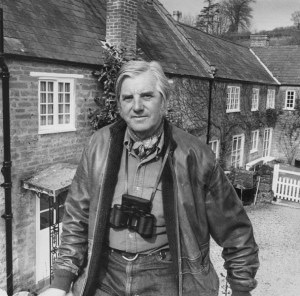
Others from my generation might remember the late Kenneth Allsop back in the 60’s when he was a BBC ‘Tonight’ programme anchorman. An RAF wartime pilot who suffered life changing injuries in a plane crash, he went on to become a highly respected journalist and leading ecological campaigner. The Island of Steep Holm in the Bristol Channel is a nature reserve run by the Kenneth Allsop Trust in his memory. https://www.steepholm.online/

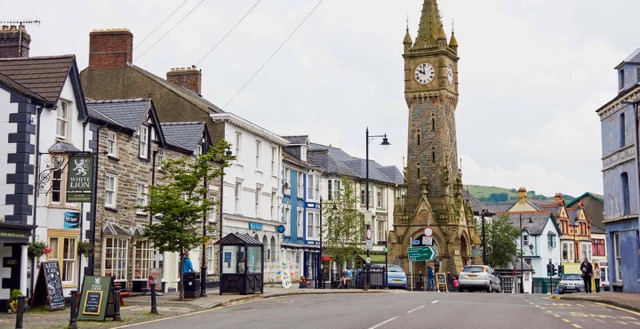
I bought Adventure… , an out of print Penguin copy, from the skillfully curated bookshop in nearby Machynlleth, founded and run by our friends Geoff and Diane, whose admirable ‘retirement project’ it is. Penrallt is one of many delightful independent shops in that interesting market town and well worth a visit, as is their neighbouring photographic gallery with its exhibitions of leading practitioners work. https://www.penralltgallerybookshop.co.uk/

 STEPHEN TOMLIN