Moors are a stage for the performance of heaven /Any audience is incidental (Ted Hughes)
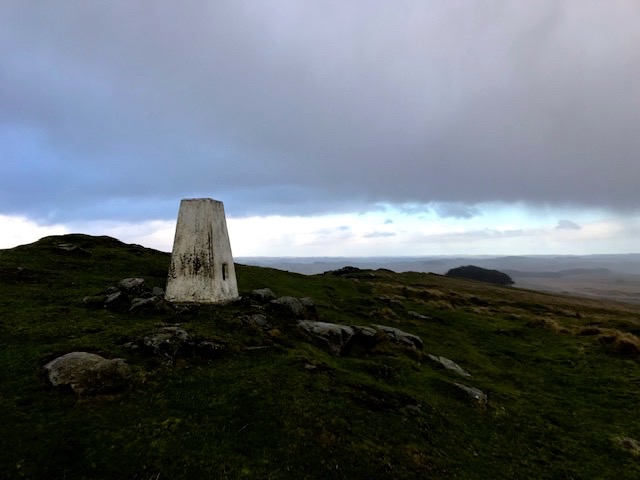
Gale force winds, heavy rain showers becoming hail, breaks of blue in rolling mass of grey cloud, kicked through by legs of light picking out roads, glistening roofs and white highlighting far horizons of wind turbines. Just the weather for a post Christmas family outing along Hadrian’s Wall.
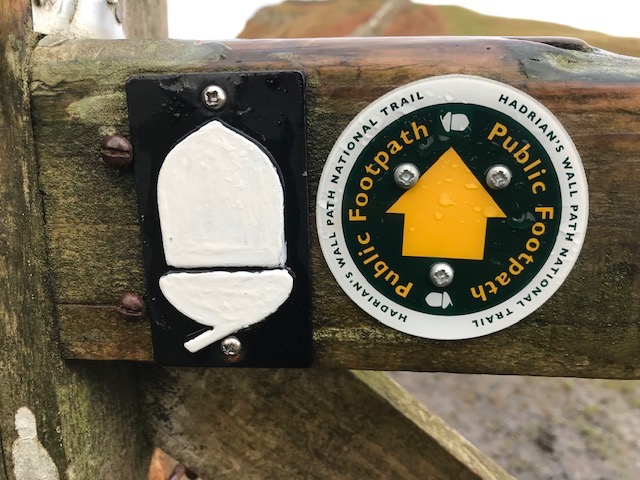
Picking up where we left walking the wall with grandchildren (12 & 9) earlier in the year, but this time with parents, we set off east from Housesteads fort heading for Sewingshields farm. Suitably wrapped, heads down, warming by working our limbs, with gusting westerlies riding our backs by way of encouragement.
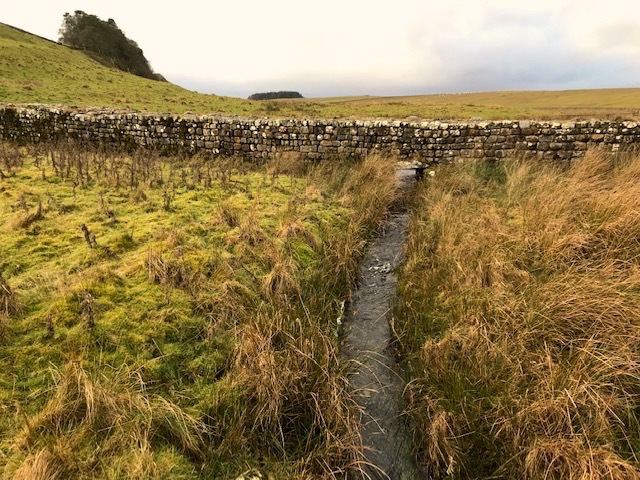
The Nag Burn runs rapidly from its culvert under the wall, which is here at its widest and most impressive point, some 3 metres plus. This would have been the fort’s main water supply for drinking, washing and bathing. The great two tower gate that once stood here dates from late in the Roman occupation, in the 4th Century AD, and was the principal ‘passport’ at this point in their great border wall. The fort’s nearby north gate gives on to a steep pitch of the dell: fine for cavalry but unsuitable for most everyday through traffic.
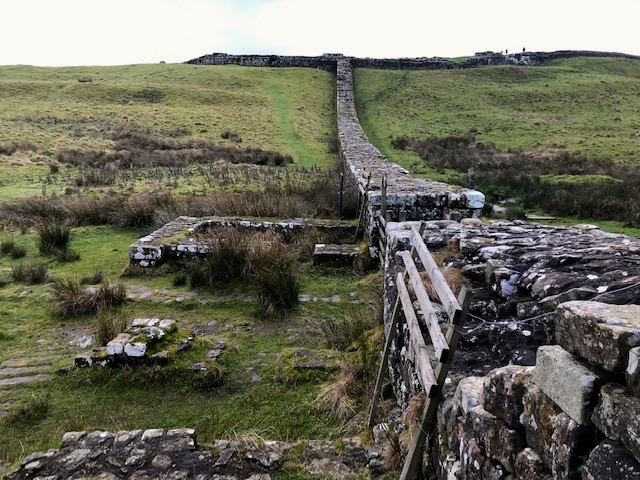
We warmed up gaining and losing height over the first two compact ridges that the wall rides. The huffing and puffing stage before you get into your stride. The wall then leans away northwards with a steep twist down past Kings Wicket, where a permissive path swings back westward along the shallow valley. This was once a rural highway in medieval and Tudor times, mainly for moving stock, and a dangerous one it must have been, here in the heart of lawless Reiver country. A branch of the powerful Armstrong clan set up home in the ruins of the fort at that time, hence the name Housesteads for the place the Romans knew as Vercovicium.
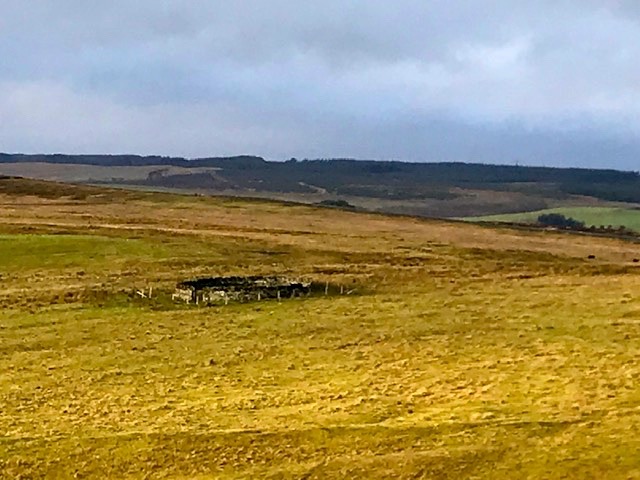
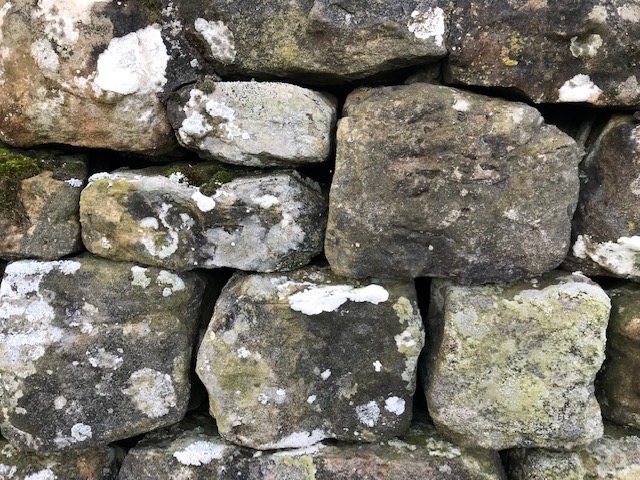
This section is mostly well maintained classic field wall, in the care of the National Trust and English Heritage. It is built on top of the Roman foundations as the original is long gone. The sheep and cattle appreciate the stonework as a welcome place of shelter, as a mass of droppings along this lee side demonstrates. Off to the north, isolated on bare moorland and bog a traditional stone walled stell, or sheep shelter could be seen.
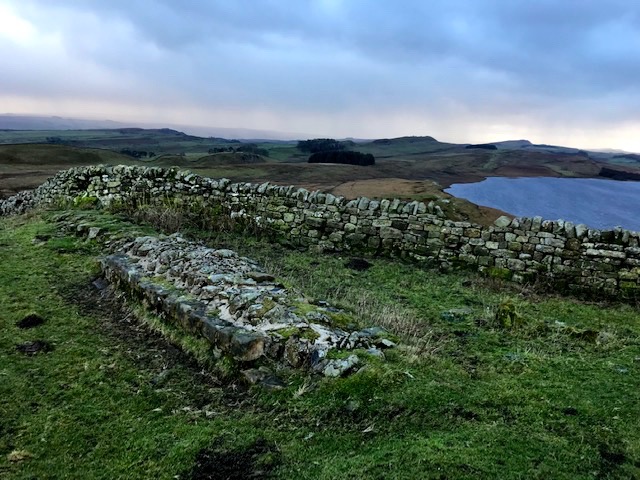
Onwards and gradually upwards to attain the proud summit at Sewingshields Crags, with panoramic view stretching for miles and miles in all directions. The reflective waters of Broomlee Lough draws the eye northwest, while the broad scree at one’s feet presents as an awesome tumble of glowing pale rock. I was intrigued by the rebuilt field wall parting company here at the summit from a fragment of the original masonry, which then gradually slides underground and is lost from sight once again.
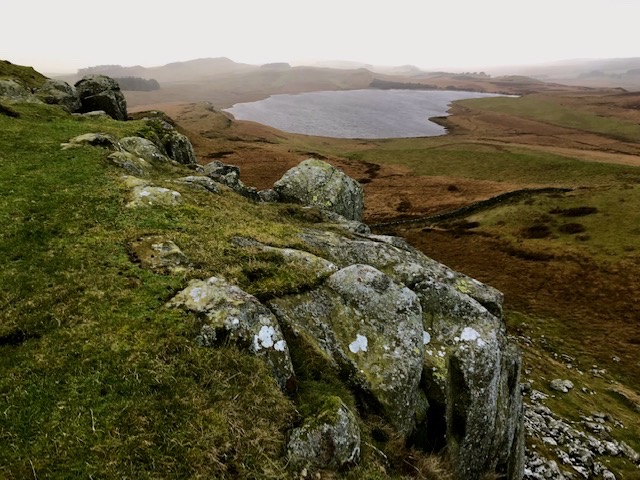
So strong was the wind force that some of the photos I took with my phone were unusable due the inability to hold a steady hand. We would have progressed further to the modern day farm at Sewingshields, which was in sight, but the family had had enough and were ready to head back. I waved back assent, touched the trig point, absorbed the vista one more time before facing the wind and catching up on the return.
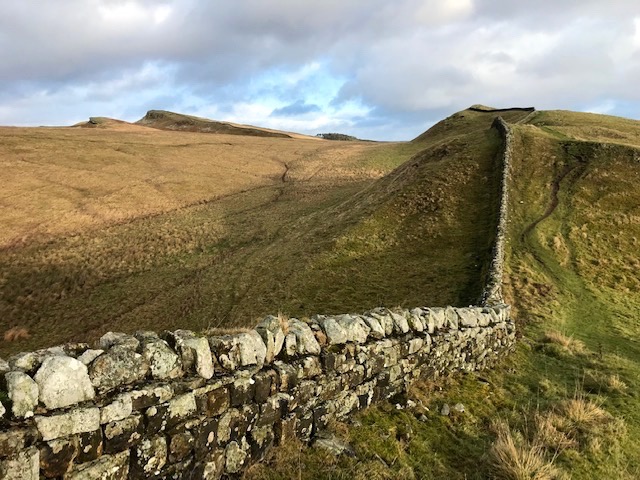
The wild weather and constant atmospheric changes charged this particular outing with a sense of elemental drama, highlighting its stunning setting and harsh beauty. Took a while to get into it but once started I didn’t want it to finish. A fair weather walk would have been pleasant and satisfying enough, but this wild winter walk was exhilarating in exercising both body and imagination.

 STEPHEN TOMLIN