Took a long overdue trip south recently to visit my brother and sister-in-law in West Sussex. Two delightful interest packed days discovering a contrasting pair of local estates, each of which reflect the ideas and requirements of their dynamic owners and creators, more than two centuries apart.
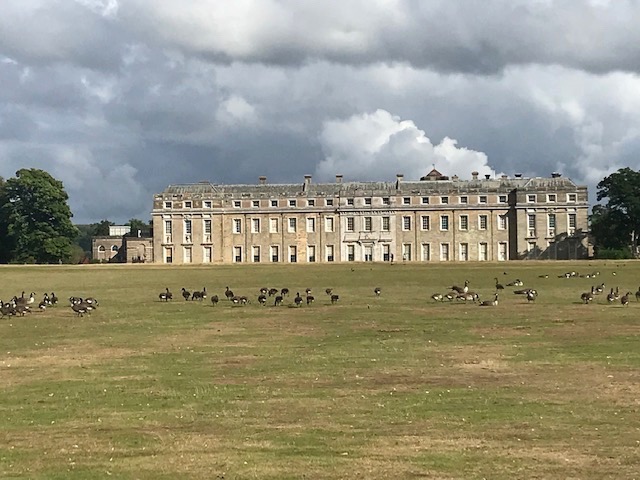
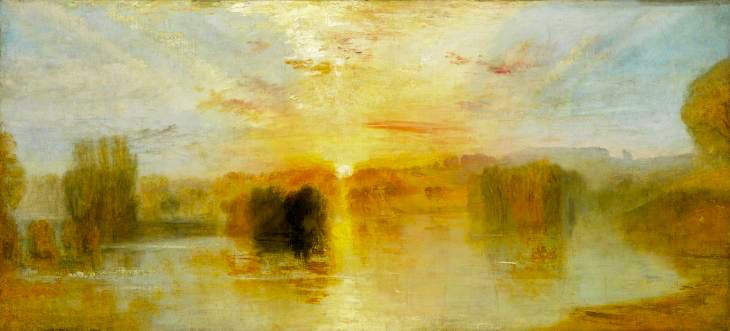
Petworth House is a 17th century mansion surrounded by 700 acres of garden and parklands designed for the 2nd Earl Egremont (1751-1837) by Lancelot ‘Capability’ Brown. In the care of the National Trust since 1947, the great house contains the charity’s single largest and most valuable collection of paintings and art works, including twenty paintings by JMW Turner immortalised the place in his work. The earl was a great collector and patron of contemporary artists like Constable, Leslie and Turner, all of whom were at one time or other guests of the gregarious aristocrat, who had several mistresses and numerous illegitimate children. Turner’s accommodation in the mansion was also his painting room with a specially adapted window to allow greater vision of the grounds.
The current Lord Egremont and his family still occupy a wing of the great house and retain ownership of the rest of the 13,500 acre agricultural estate; made up of arable, pasture and mixed woodland managed by tenant farmers and land agents.
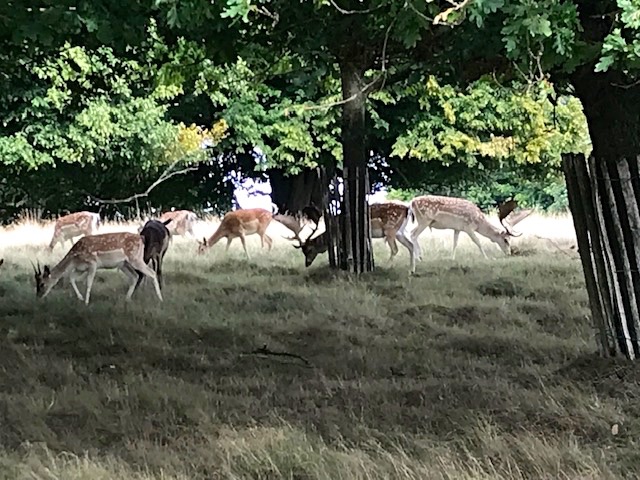
No time to see the treasure house of contents on this occasion. This was a familiar perambulation for Geoff and Dianne exercising their beloved canine Phoebe, but the classic parkland we roamed was reward enough. A fine example of Brown’s work, opening vistas and planting clumps of trees to catch and lead the eye. Petworth’s herd of fallow deer are believed to be the oldest and largest in the country and today number between 700-800. Being used to human company they present gracefully wherever the herd spreads itself, like the chorus in a grand opera. The otherwise unrecorded image of a silhouetted single stag passing slowly under the browse line of a great oak will remain with me.
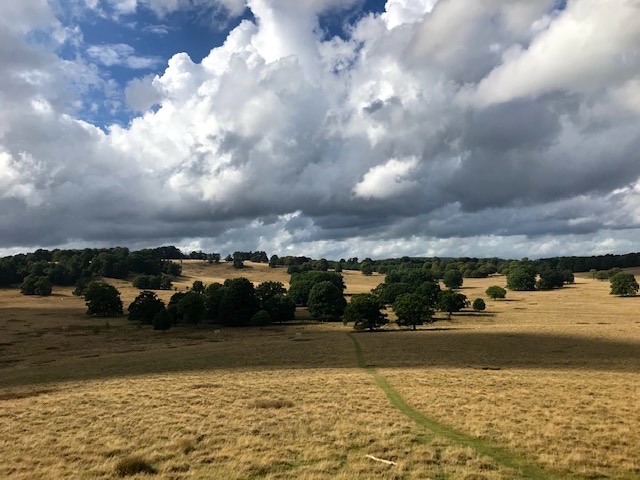
Some 70,000 tons of clay and soil were shifted by the earl’s extensive workforce to create all the natural seeming curves to please the discerning visitors eye while the park’s meandering 14 miles of wall keep the deer safely enclosed.
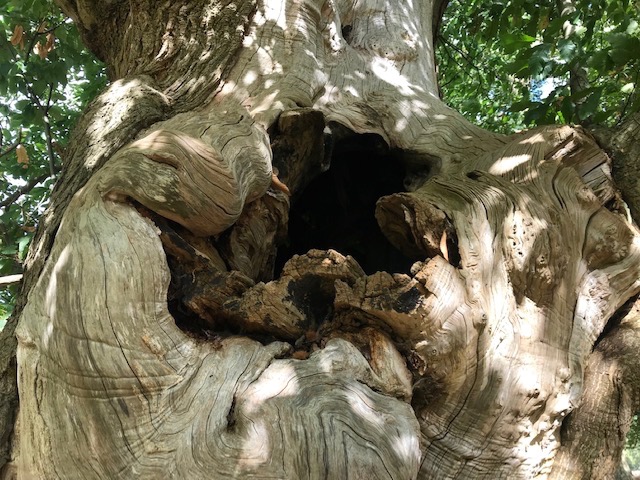
We visited on a wind blown moody afternoon that only served to magnificently heighten the key features. I particularly loved the magnificent clumps of sweet chestnut trees, bristling now with spiky autumnal fruit, as well as the huge venerable ancient oaks from Tudor times. Deep fissured trunks blasted by lightning or displaying stumps of lost limbs were particularly arresting in their form and texture.
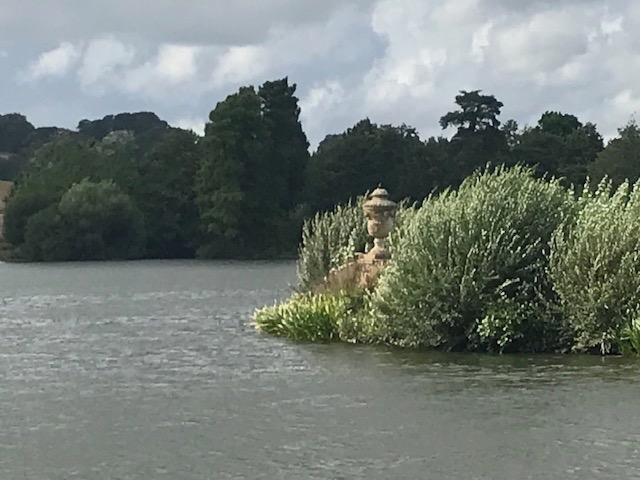
Another of Brown hallmark is the great reflective lake, complete with viewing terrace and islands with their stone ornaments immersed in greenery. It is home to migrant and resident birdlife, with a flock of Canada geese, grazing swathes of smooth grasslands that align lake and mansion. The swags of great rolling clouds on the day we visited would surely have appealed to Constable, who was renowned for his studies of them. The close mown ground beneath our feet bore recent press marks from the last extensive film set that had been loaded upon it. A major production set in Napoleonic times, we heard it said…Bridgerton perhaps?.

This artfully designed and manicured pleasure grounds, with its wonderful distant views over the South Downs and rolling farmland, continues to offer its visitors rest and recreation. On the other side of the boundary wall the narrow thronged streets of pretty Petworth village is full of antique, craft and book shops alongside restaurants and pubs. The triple attractions of house, grounds and town make for a picture perfect traditional view of southern England and its countryside.
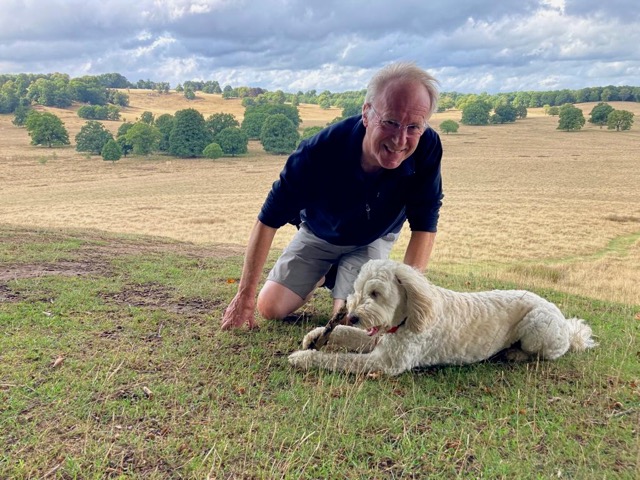

 STEPHEN TOMLIN